5 Steps to Finding a Leak in Your Asphalt Shingle Roof

In order to effectively address and resolve a leak in your asphalt shingle roof, it is crucial to first discover its source. It can be a daunting task, but fear not, as this article will provide you with five simple steps to successfully identify and locate the leak in your roof. By following these steps, you will be equipped with the knowledge and insight necessary to not only identify the problem, but also take the necessary measures to rectify it, ensuring the longevity and functionality of your roof. So, let’s begin the process of diagnosing and solving the leak in your asphalt shingle roof.

5 Steps to Finding a Leak in Your Asphalt Shingle Roof

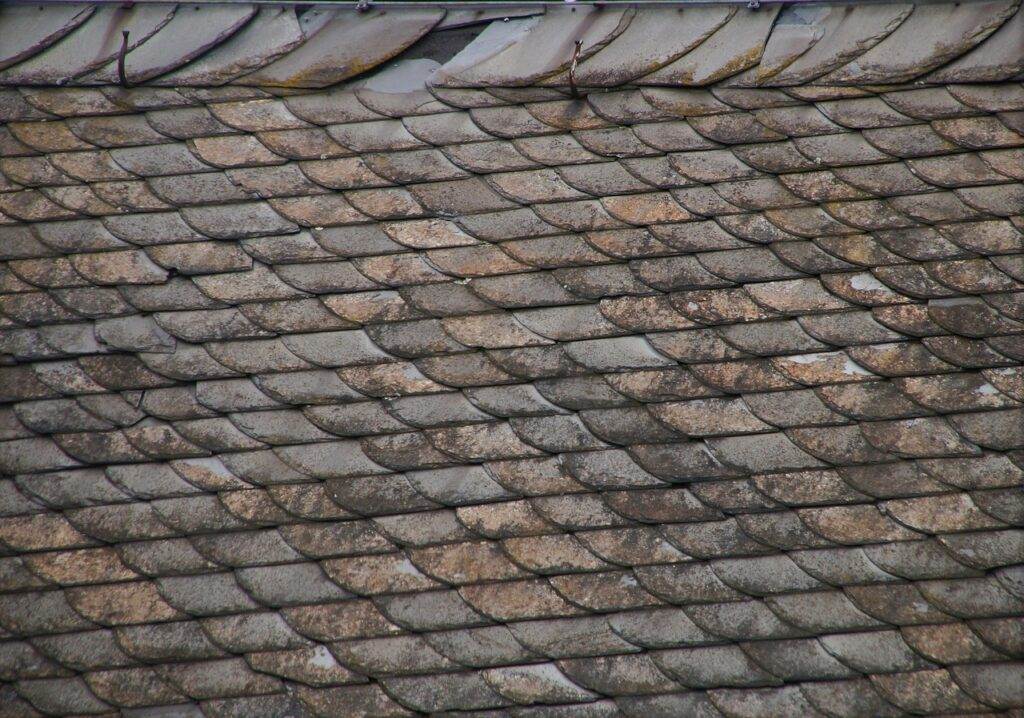
This image is property of pixabay.com.

Step 1: Visual Inspection

Inspect the attic

The first step in finding a leak in your asphalt shingle roof is to start with a visual inspection of the attic. This is an important step because it allows you to look for any signs of water damage or leaks from the inside. Take a flashlight with you and carefully examine the attic for any wet spots, discoloration, or mold growth. If you notice any of these signs, it is likely that there is a leak in your roof that needs to be addressed promptly.

Inspect the roof from the ground

After inspecting the attic, it’s time to move outside and visually inspect the roof from the ground. This step will help you identify any obvious areas of concern, such as missing or damaged shingles. Walk around your property and examine the roof carefully, paying attention to any areas where the shingles may be cracked, curled, or completely missing. These damaged shingles can allow water to seep into your home, resulting in leaks and potential water damage.

Check for missing or damaged shingles

During the visual inspection of your asphalt shingle roof, it is crucial to check for any missing or damaged shingles. Missing shingles can create openings where water can easily enter, causing leaks and damage to the underlying structure of your roof. Additionally, damaged shingles, such as those that are cracked, curled, or broken, can compromise the integrity of your roof and lead to leaks over time. If you come across any missing or damaged shingles, make a note of their location for future repairs.

Look for signs of water damage

While inspecting your asphalt shingle roof, be on the lookout for any signs of water damage. This can manifest as discoloration or staining on the ceiling or walls inside your home, as well as mold or mildew growth. Water stains on the ceilings or walls are often a clear indication that there is a leak in your roof. Additionally, if you notice any musty odors or dampness in certain areas of your home, these could also be signs of water damage caused by a roof leak. Promptly identifying and addressing these signs of water damage is crucial to prevent further issues and maintain the integrity of your home.

Step 2: Water Testing

Gather necessary equipment

Before you can start water testing your asphalt shingle roof, gather all the necessary equipment. You will need a garden hose with a spray nozzle attachment, a ladder, and a helper if possible. It is important to have the right tools and equipment to ensure an effective and efficient water testing process.

Choose a dry day

To conduct an accurate water test on your asphalt shingle roof, it is essential to choose a dry day. Testing your roof when it is already raining can make it difficult to distinguish between naturally occurring moisture and potential leaks. Wait for a day without any rain in the forecast to ensure that the water test is as accurate as possible.

Divide the roof into sections

To systematically test your asphalt shingle roof for leaks, divide it into sections. This will help ensure that you thoroughly examine each area and can identify the specific location of any leaks. Divide your roof into manageable sections, such as by its slopes or the different sides of your home, and test one section at a time.

Start water testing

Once you have divided your roof into sections and gathered all the necessary equipment, it’s time to start water testing. Position yourself on the ladder and have your helper spray water from the garden hose onto one section of the roof at a time. Start at the lowest point of the section and work your way up, thoroughly saturating the area with water. Observe the interior of your home, specifically the attic, for any signs of water entering through the roof. Continue this process for each section until you have tested the entire asphalt shingle roof.

5 Steps to Finding a Leak in Your Asphalt Shingle Roof

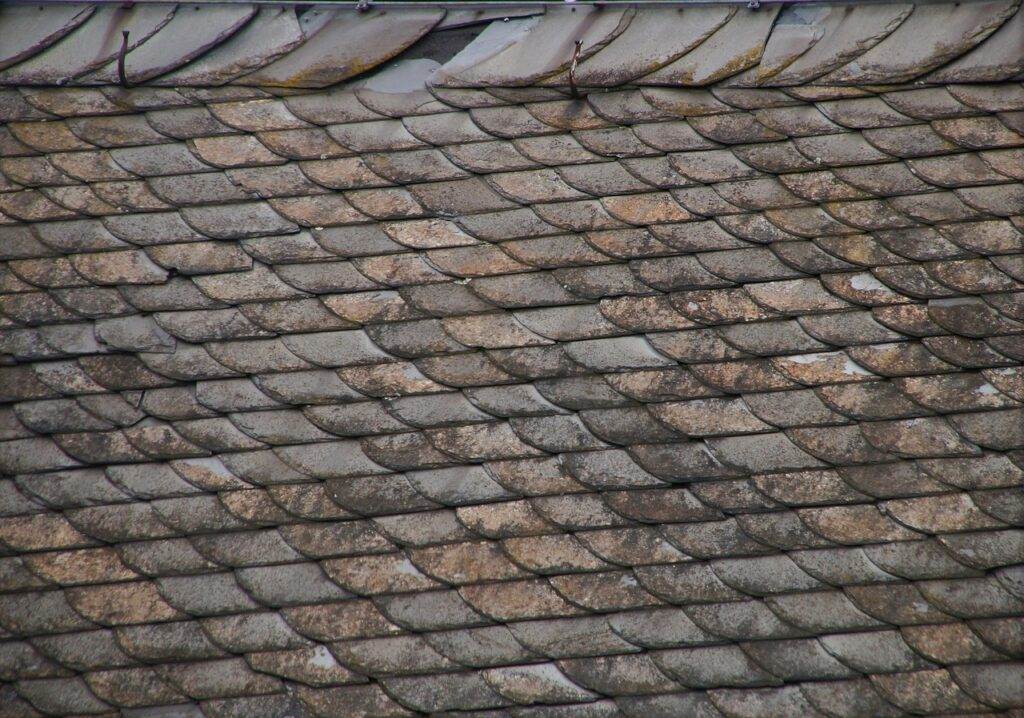
This image is property of pixabay.com.

Step 3: Investigating Potential Problem Areas

Inspect the flashing

As part of your investigation into potential problem areas on your asphalt shingle roof, it is crucial to inspect the flashing. Flashing is a material, often made of metal, that is installed around roof penetrations such as chimneys, vent pipes, and skylights, to prevent water from seeping into your home. Check the flashing for any signs of damage or deterioration, such as rust, cracks, or gaps. Damaged or improperly installed flashing can be a common source of roof leaks, so it is essential to address any issues promptly.

Check the chimney

Another area to inspect when looking for potential problem areas on your asphalt shingle roof is the chimney. Check for any cracks or gaps between the chimney and the roof, as well as any missing or damaged flashing. These issues can create openings for water to enter and cause leaks. Additionally, examine the chimney cap and mortar joints for any signs of wear or deterioration. Properly maintaining and repairing the chimney can help prevent roof leaks and water damage.

Examine vent pipes

Vent pipes, which are used to allow gases and odors to escape from your home’s plumbing system, can also be a source of roof leaks. Inspect the vent pipes on your asphalt shingle roof for any cracks, gaps, or damaged flashing. Ensure that the vent pipes are properly sealed and securely attached to the roof. Addressing any issues with the vent pipes promptly can help prevent leaks and potential water damage to your home.

Look for damaged ridge caps

Ridge caps are the horizontal peak of your asphalt shingle roof, and they provide additional protection against water intrusion. During your investigation of potential problem areas, carefully inspect the ridge caps for any signs of damage or deterioration. Look for missing or cracked ridge cap shingles, as well as any gaps or lifting along the ridge line. Damaged or improperly installed ridge caps can compromise the integrity of your roof and lead to leaks. It is important to repair or replace any damaged ridge caps to maintain the longevity and function of your asphalt shingle roof.

Step 4: Repairing the Leak

Gather necessary repair materials

Once you have identified the source of the roof leak, gather all the necessary repair materials. This may include replacement shingles, roofing cement, flashing, roofing nails, and a caulking gun. Having all the required materials on hand before you start the repair process will ensure a seamless and efficient repair job.

Replace missing or damaged shingles

If you discover any missing or damaged shingles during your roof inspection, it is crucial to replace them as soon as possible. Start by carefully removing the damaged shingle or shingles, being mindful not to cause any further damage to the surrounding shingles. Once the damaged shingle has been removed, position the new shingle in its place and secure it with roofing nails. Make sure to align the new shingle properly and apply roofing cement to seal the edges and prevent future leaks.

Seal cracked or damaged flashing

If you find any cracked or damaged flashing during your roof inspection, it is important to seal these areas to prevent leaks. Use roofing cement or a suitable sealant to fill in any cracks or gaps in the flashing. Ensure that the sealant is applied evenly and covers the damaged areas completely. Properly sealing the flashing will help divert water away from vulnerable areas and maintain the integrity of your asphalt shingle roof.

Repair or replace damaged ridge caps

If you come across damaged ridge caps during your investigation, it is essential to repair or replace them promptly. Start by removing the damaged ridge cap shingles, ensuring that you do not cause any further damage to the surrounding shingles. Once the damaged ridge caps have been removed, replace them with new ridge cap shingles, securing them with roofing nails. Apply roofing cement to seal the edges and ensure a watertight seal. Properly repairing or replacing damaged ridge caps will help protect your asphalt shingle roof from leaks and maintain its overall functionality.

5 Steps to Finding a Leak in Your Asphalt Shingle Roof

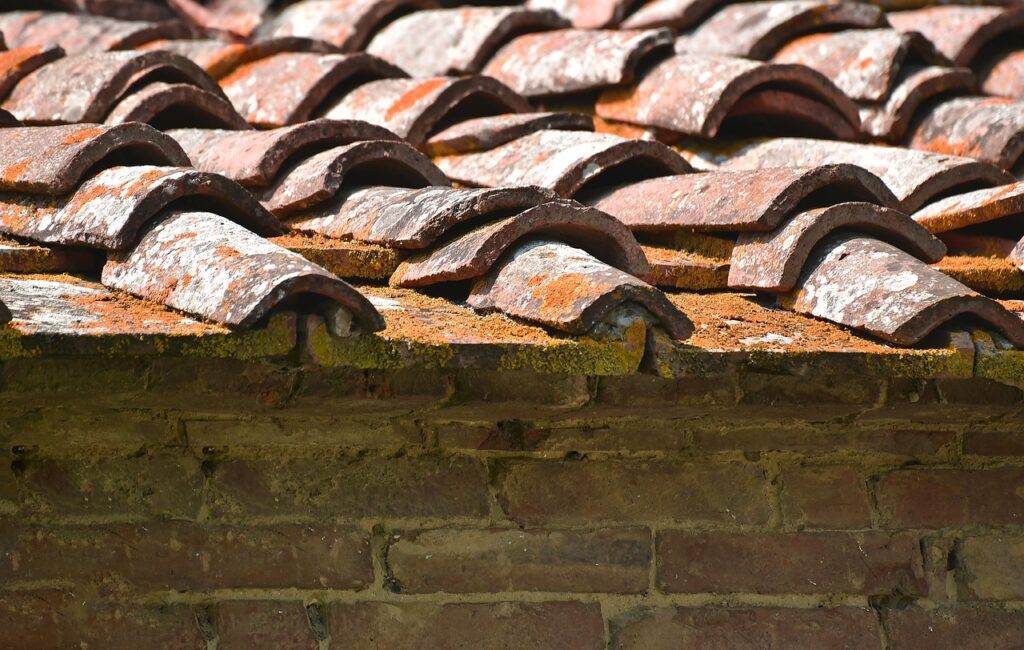
This image is property of pixabay.com.

Step 5: Preventive Measures for Future Leaks

Regular maintenance and inspections

To prevent future leaks in your asphalt shingle roof, it is crucial to implement regular maintenance and inspections. Schedule routine inspections at least once a year and after severe weather events to identify any potential issues before they develop into larger problems. Regularly clean your roof from debris, such as leaves and twigs, that can accumulate and trap moisture. Additionally, trim any overhanging branches that can potentially damage your roof or block proper water drainage.

Clearing debris from gutters and downspouts

One preventive measure that can help avoid roof leaks is ensuring that your gutters and downspouts are clear of debris. Clogged gutters can cause water to overflow and accumulate on your roof, leading to leaks and water damage. Regularly clean out your gutters and downspouts to ensure that they are free from leaves, twigs, and other debris. Consider installing gutter guards to help prevent debris buildup and to make gutter maintenance easier.

Trimming overhanging branches

Overhanging branches from nearby trees can pose a risk to your asphalt shingle roof. These branches can scrape and damage the shingles, leading to potential leaks. To prevent this, regularly trim any overhanging branches that are in close proximity to your roof. By keeping the branches at a safe distance, you can minimize the risk of damage and maintain the integrity of your roof.

Consider professional roof inspection

While regular maintenance and inspections are essential, it is also beneficial to consider hiring a professional for a thorough roof inspection. Professional roofers have experience and expertise in identifying potential issues that may go unnoticed during a DIY inspection. They can provide a comprehensive evaluation of your asphalt shingle roof, identify any underlying issues, and recommend the necessary repairs or preventive measures. Investing in a professional roof inspection can help ensure the long-term durability and functionality of your roof.

Common Mistakes to Avoid

Ignoring small leaks

One common mistake that homeowners make is ignoring small leaks in their asphalt shingle roof. Even if it seems like a minor issue, a small leak can quickly escalate into a more significant problem, causing extensive damage and requiring costly repairs. It is crucial to address any leaks promptly, no matter how small they may seem, to prevent further damage to your roof and home. Regular inspections and immediate action can help mitigate the potential risks associated with even the smallest leaks.

Using improper repair materials

Using improper repair materials is another common mistake that homeowners should avoid when fixing a leak in their asphalt shingle roof. It is essential to use the correct materials that are specifically designed for roofing applications. Using the wrong type of shingle, roofing cement, or flashing can lead to ineffective repairs and potential leaks in the future. Always consult the manufacturer’s recommendations or seek advice from a professional roofer to ensure that you are using the appropriate materials for your repair job.

Failing to address underlying issues

When addressing a roof leak, it is crucial not only to fix the immediate problem but also to address any underlying issues that may have contributed to the leak. Failing to identify and address these underlying issues can lead to recurring leaks and ongoing damage. Take the time to thoroughly inspect your asphalt shingle roof and identify any potential contributing factors, such as damaged flashing, worn-out ridge caps, or improper ventilation. By addressing these underlying issues, you can prevent future leaks and maintain the integrity of your roof.

Neglecting preventive measures

Neglecting preventive measures is a common mistake that homeowners often make after fixing a roof leak. Once the immediate repair is complete, it is important to continue implementing preventive measures to avoid future leaks. Regular maintenance, clearing debris from gutters and downspouts, trimming overhanging branches, and professional roof inspections are all essential preventive measures that should not be neglected. By actively maintaining and caring for your asphalt shingle roof, you can minimize the risk of future leaks and prolong its lifespan.

When to Call a Professional

Extensive damage or multiple leaks

If your asphalt shingle roof has extensive damage or multiple leaks, it may be time to call a professional. Dealing with extensive damage or numerous leaks can be overwhelming and may require specialized knowledge and skills to repair effectively. Professional roofers have the expertise and experience to assess the extent of the damage, recommend the appropriate repairs, and ensure a thorough and long-lasting solution.

Safety concerns or lack of experience

Roof work can be dangerous, especially if you are inexperienced or uncomfortable working at heights. If you have safety concerns or lack the necessary experience to perform roof repairs, it is best to leave the job to a professional. Roofing professionals are trained in proper safety protocols and have the necessary equipment to work safely at heights. By hiring a professional, you can minimize the risk of accidents or injuries and have peace of mind knowing that the repairs are being handled by experienced professionals.

Roofing warranty considerations

If your asphalt shingle roof is still under warranty, it is important to consider the warranty terms before attempting any repairs yourself. Some warranties may require that repairs be performed by licensed professionals to maintain the validity of the warranty. Failure to comply with these requirements may result in the voiding of your warranty. Before proceeding with any repairs, carefully review the warranty terms or consult the manufacturer to ensure that you are following the proper procedures.

Persistent or recurring leaks

If you have attempted to repair a roof leak yourself but the problem persists or recurs, it is recommended to seek professional help. Persistent or recurring leaks can indicate underlying issues that may require professional expertise to diagnose and address correctly. Professional roofers have the knowledge and tools to identify hidden leaks, assess potential damage, and provide appropriate solutions. Seeking professional help is crucial to prevent further damage and resolve the root cause of the leaks.

Conclusion

Finding a leak in your asphalt shingle roof is a task that requires careful inspection and attention to detail. By following the five steps outlined in this article, you can effectively identify the source of the leak and take the necessary steps to repair and prevent future leaks. Remember to conduct a visual inspection, perform water testing, investigate potential problem areas, repair the leak using the correct materials, and implement preventive measures to maintain the integrity of your roof. While some repairs can be done independently, it is important to know when to call a professional to ensure safety, warranty compliance, or to address complex issues. By promptly addressing roof leaks and taking preventive measures, you can protect your home from water damage and maintain the longevity of your asphalt shingle roof.

Source: https://roofingrepairspecialists.com/5-steps-to-finding-a-leak-in-your-asphalt-shingle-roof/

Detecting Water Leaks in Walls and Ceilings

Have you ever found yourself in a situation where you noticed damp spots or discoloration on your walls or ceilings, but couldn’t figure out the source of the problem? The frustration and concern that comes with potential water leaks can be overwhelming, especially considering the potential damages they can cause. In this article, we will guide you on the process of detecting water leaks in walls and ceilings, enabling you to identify the issue promptly and take necessary actions to prevent further damage to your property. By following these steps, you can ensure peace of mind and protect your investment.

I. Signs of Water Leak

A. Water Stains

One of the most common signs of a water leak in walls or ceilings is the presence of water stains. These stains may appear as discolored patches on the surface of the wall or ceiling, usually in the form of yellow or brown spots. These stains are caused by water seeping through cracks or holes and saturating the surrounding area.

B. Mold and Mildew Growth

Another indication of a water leak is the growth of mold and mildew. These fungi thrive in moist environments and can quickly develop in areas where there is a water leak. Black or green patches of mold and a musty odor are often visible when there is a water leak present.

C. Musty Odor

A musty smell is often associated with water leaks. The lingering dampness and moisture create the perfect breeding ground for mold and mildew, which emit a distinct musty odor. If you notice a persistent musty smell in a specific area of your home, it may indicate a hidden water leak.

D. Peeling or Bubbling Paint

When water starts to leak from walls or ceilings, it can cause the paint to peel or bubble. The moisture undermines the adhesive properties of the paint, leading to these unsightly damages. If you notice these signs, it is essential to investigate further to determine the source of the water leak.

E. Damp or Wet Spots

The presence of damp or wet spots on walls or ceilings is a clear indication of a water leak. These spots may feel wet to the touch and can be localized or spread across a larger area, depending on the severity of the leak. If you come across any dampness or wetness on your walls or ceilings, it is crucial to address it promptly to prevent further damage.

II. Tools and Equipment

A. Flashlight

A flashlight is an essential tool for inspecting water leaks in walls and ceilings. It helps provide adequate lighting in dark and hard-to-reach areas, allowing you to identify potential water leak sources more effectively.

B. Moisture Meter

A moisture meter is a device that measures the moisture content in materials such as drywall, wood, or insulation. It can help locate hidden water leaks by identifying areas with elevated moisture levels.

C. Infrared Camera

An infrared camera is a high-tech tool that can detect temperature differences and thermal patterns. In the context of water leak detection, it can help identify areas of moisture or temperature variations that may indicate the presence of a leak.

D. Borescope

A borescope is a flexible optical device that allows visual inspection of hard-to-reach areas, such as behind walls or in ceilings. It can be inserted into small openings and captures images or videos, making it useful for detecting hidden water leaks.

E. Sound Amplification Device

A sound amplification device, such as a listening device or a stethoscope, can help detect water leaks by amplifying the sounds of dripping or rushing water within walls or ceilings. This tool can be especially useful when trying to pinpoint the exact location of a leak.

III. Inspection Techniques

A. Visual Inspection

A thorough visual inspection is the starting point for detecting water leaks. It involves carefully examining walls, ceilings, and any visible plumbing fixtures for signs of water damage, such as stains, mold growth, or damp spots.

B. Moisture Testing

Moisture testing involves using a moisture meter to measure the moisture content of materials. By checking different areas of walls or ceilings, you can identify areas with higher moisture levels, indicating a potential water leak.

C. Thermographic Inspection

Thermographic inspection utilizes an infrared camera to detect temperature variations. By identifying areas with abnormal heat signatures, it can indicate the presence of water leaks or hidden moisture within walls or ceilings.

D. Acoustic Inspection

Acoustic inspection involves using a sound amplification device to listen for sounds of water movement or dripping behind walls or in ceilings. By following the sound, you can locate the source of the water leak more accurately.

E. Water Meter Reading

For suspected hidden water leaks, checking the water meter reading can be a helpful diagnostic tool. By turning off all water-using appliances and fixtures and monitoring the water meter, any unexpected movement in the meter’s dial can indicate an ongoing leak.

IV. Locating Leaks in Walls

A. Checking Plumbing Fixtures

Start by inspecting the plumbing fixtures located on the wall, such as sinks, toilets, showers, or bathtubs. Look for any signs of leaks or drips, such as water stains, pooling water, or dampness around the fixtures.

B. Listening for Dripping Sounds

Use a sound amplification device to listen for any dripping or rushing water sounds behind the walls. Move slowly along the wall, paying close attention to areas where plumbing pipes are located or where water stains are visible.

C. Removing Wall Coverings

If the water leak is suspected to be within the wall itself, it may be necessary to remove wall coverings, such as drywall or wallpaper, to access the source of the leak. This should be done carefully to avoid causing further damage.

D. Using Moisture Meter

Use a moisture meter to test areas of the wall that appear suspect or show signs of dampness. Take multiple measurements in different locations to identify the extent of the moisture and narrow down the possible source of the leak.

E. Infrared Camera Detection

Utilize an infrared camera to scan the wall for temperature variations that may indicate the presence of hidden moisture. Monitor the display for any indications of abnormal heat patterns, which could be indicative of a water leak.

V. Locating Leaks in Ceilings

A. Tracing Plumbing Pipes

Trace the path of plumbing pipes in the ceiling to identify potential areas of water leaks. Look for any signs of water stains or damaged ceiling materials along the pipe routes.

B. Checking Bathroom Fixtures

Inspect bathroom fixtures, such as showers, toilets, or sinks installed in the ceiling. Look for any water stains, pooling water, or signs of leakage around these fixtures.

C. Water Testing

Perform water testing by pouring a small amount of colored water down the drains of bathroom fixtures or around suspected areas. Observe if any colored water seeps through the ceiling, indicating a leak.

D. Accessing Attic Space

If your home has an accessible attic above the ceiling, carefully enter the space to inspect the underside of the ceiling. Look for any signs of water stains, dripping, or visible pipe leaks from above.

E. Using Borescope

Insert a borescope through small openings in the ceiling to visually inspect hard-to-reach areas. This can help identify hidden leaks or any structural issues causing water penetration.

VI. Repairing Water Leaks

A. Fixing Plumbing Issues

If the water leak is caused by faulty plumbing, it is crucial to address the plumbing issue promptly. This may involve repairing or replacing damaged pipes, fittings, or fixtures.

B. Replacing Damaged Pipes

In cases where the water leak is traced back to damaged or deteriorated pipes, it may be necessary to replace the affected sections of pipes. This should be done by a qualified plumber to ensure proper installation.

C. Sealing Cracks and Holes

Seal any visible cracks or holes in walls or ceilings that are contributing to water leaks. This can be done using appropriate sealing materials, such as caulk or epoxy-based products.

D. Waterproofing Walls and Ceilings

Apply waterproofing coatings or membranes to walls and ceilings, especially in areas prone to water leaks. This can help prevent future water penetration and damage.

E. Hiring Professional Help

In complex cases or if you are unsure of how to locate or repair a water leak, it is advisable to seek professional assistance. A qualified plumber or water damage restoration specialist can effectively address the issue and ensure proper repairs.

VII. Preventive Measures

A. Regular Maintenance

Implement a routine maintenance schedule to inspect plumbing fixtures, pipes, and potential water leak-prone areas. Regular maintenance can help identify and address minor issues before they turn into major leaks.

B. Insulating Pipes

Insulate exposed pipes, especially those in colder areas of the home or near exterior walls. Proper insulation helps prevent pipes from freezing and bursting, which can lead to significant water leaks.

C. Proper Ventilation

Ensure proper ventilation in areas prone to excess moisture, such as bathrooms, kitchens, or laundry rooms. Adequate ventilation helps reduce the likelihood of condensation and mold growth.

D. Monitor Water Pressure

Keep an eye on the water pressure in your home. High water pressure can put excessive stress on plumbing pipes and fittings, increasing the risk of leaks. Use a pressure gauge to check and adjust the pressure as needed.

E. Quick Repairs to Minor Leaks

Address minor leaks promptly, even if they seem insignificant. Small droplets or slow drips can still cause damage over time, leading to more extensive water leaks or structural issues.

VIII. DIY vs. Professional Assistance

A. Pros and Cons

Deciding between DIY and professional assistance depends on various factors. DIY can save costs but may lack specialized tools and expertise. Professional assistance ensures thorough and accurate detection and repair, but it comes at a higher cost.

B. Simple vs. Complex Leaks

Simple leaks, such as a dripping faucet or a visible pipe leak, can often be addressed with DIY solutions. However, complex leaks that require extensive investigation or major plumbing repairs are best left to professionals.

C. Safety Considerations

When dealing with water leaks, it is important to prioritize safety. DIY repairs should only be attempted if you have the necessary knowledge and tools to work safely. Professionals are trained to handle potential hazards associated with water leaks.

D. Cost Factors

Consider the cost implications of DIY repairs versus hiring professionals. While DIY may seem cost-effective initially, mistakes or incomplete repairs can lead to further expenses in the long run. Professional assistance ensures thorough repairs that can prevent future damage.

E. Time and Expertise

Repairing water leaks can be time-consuming, especially if you lack the necessary skills or tools. Professionals have the expertise and equipment to efficiently locate and repair leaks, saving you time and effort.

IX. Water Leak Insurance Coverage

A. Home Insurance Policies

Homeowners insurance policies typically provide coverage for water damage caused by sudden and accidental events, such as pipe bursts or plumbing system failures. However, coverage may vary depending on the specific policy and its terms.

B. Understanding Coverage

Review your home insurance policy to understand what types of water leaks or damages are covered. Some policies may exclude coverage for certain types of leaks or gradual damage caused by long-term leaks.

C. Filing a Claim

If you experience a water leak incident that is covered by your insurance policy, you should notify your insurance company promptly. Gather any necessary documentation, such as photos, repair estimates, or receipts, to support your claim.

D. Contacting the Insurance Company

Contact your insurance company’s claims department to initiate the claims process. They will guide you through the necessary steps, such as providing a statement, submitting documentation, and scheduling assessments or inspections.

E. Repair or Replacement Costs

The insurance company will assess the extent of the damage and determine the coverage limits outlined in your policy. Depending on the policy, they may cover the cost of repairs, replacement of damaged materials, or restoration services.

X. Conclusion

Detecting and repairing water leaks in walls and ceilings is crucial to prevent further damage, mold growth, and potential health hazards. By being vigilant for signs of water leaks, utilizing appropriate tools and inspection techniques, and promptly addressing any issues, you can minimize the impact of water damage and maintain the integrity of your home. Whether you choose to handle the repairs yourself or seek professional assistance, understanding your insurance coverage can also provide peace of mind in case of unexpected leaks. Remember to prioritize regular maintenance and follow preventive measures to ensure the long-term safety and durability of your home.

Source: https://roofingrepairspecialists.com/detecting-water-leaks-in-walls-and-ceilings/

Why does water drip from my roof outside?

Have you ever found yourself wondering why water drips from your roof outside, even on days when there is no rain? It is a perplexing phenomenon that many individuals encounter, yet fail to grasp the underlying reasons behind it. This article aims to shed light on this puzzling occurrence, exploring various factors that may contribute to the dripping of water from your roof, independent of rainfall. By delving into potential causes such as condensation, melting ice, or plumbing issues, we aim to provide you with a comprehensive understanding of this perplexing experience. So, let us embark on a journey to unravel the mystery of why water drips from your roof when there is no rain.

Common Reasons for Water Dripping from the Roof

Water dripping from the roof can be a cause for concern and may indicate underlying issues that need to be addressed promptly. Several factors can contribute to water dripping from the roof, ranging from condensation and humidity to plumbing leaks, roofing issues, and more. This article will explore the common reasons for water dripping from the roof and provide a comprehensive understanding of each factor.

Condensation and Humidity

The Role of Condensation

Condensation occurs when warm air meets a cold surface, causing the moisture in the air to turn into liquid form. This process often happens when there is a significant difference in temperature between the inside and outside of the house. Moisture-laden air inside the house can come into contact with the colder roof surface, leading to condensation. Over time, this accumulated moisture can result in water dripping from the roof.

Moisture Buildup from Humidity

High humidity levels within the house can also contribute to water dripping from the roof. Excessive moisture in the air can lead to an increased likelihood of condensation occurring on the roof’s surface. Proper ventilation and humidity control measures can help minimize the chances of moisture buildup and subsequent roof dripping.

Leaking Plumbing

Faulty or Damaged Pipes

Leaking plumbing is another common reason for water dripping from the roof. Faulty or damaged pipes within the walls or ceilings can allow water to seep through and eventually reach the roof. This can be particularly problematic if the plumbing system is located on the upper floors of the house. Regular inspection and maintenance of the plumbing system are crucial to prevent leaks that may contribute to roof dripping.

Water Heater Leaks

Water heater leaks can also lead to water dripping from the roof. If the water heater is located in the attic or upper floors, any leakage can gradually find its way to the roof, causing the water to drip down. In such cases, it is essential to address the water heater issue promptly to prevent further damage and minimize the risk of roof leaks.

Bathroom and Kitchen Plumbing Leaks

Leaking pipes in bathrooms and kitchens can also be responsible for water dripping from the roof. The proximity of these areas to the roof makes it easier for water to reach the roof through the ceiling or walls. Regular inspection and maintenance of the plumbing system can help detect and fix any leaks, preventing water from dripping onto the roof.

Roofing Issues

Damaged or Missing Shingles

One of the most common reasons for water dripping from the roof is damaged or missing shingles. Shingles play a crucial role in protecting the roof from water intrusion. If shingles become damaged due to aging, hail, wind, or other factors, water can easily penetrate through the roof and eventually cause dripping. Regular roof inspections and timely repairs or replacements of damaged shingles are key to preventing roof leaks.

Cracked Roof Tiles

Similar to damaged shingles, cracked roof tiles can also contribute to water dripping from the roof. As tiles age or experience extreme weather conditions, they can crack, allowing water to seep through. Regular roof maintenance, including the repair or replacement of cracked tiles, is essential to maintain a watertight roof.

Flashing Problems

Flashing refers to the metal strips installed around roof penetrations, such as chimneys, vent pipes, or skylights, to prevent water from entering. However, over time, flashing can deteriorate or become loose, compromising its effectiveness. This can result in water penetrating through these vulnerable areas, leading to roof dripping. Regular inspection and maintenance of flashing are necessary to ensure its proper function and prevent water intrusion.

Roof Valley Issues

Roof valleys, where two roof slopes meet, can also be prone to water dripping if not properly constructed or maintained. Improperly sealed or damaged valleys can facilitate water penetration during rain or melting snow, resulting in roof leaks and subsequent dripping. Regular inspection and appropriate repairs or reinforcements of roof valleys can help prevent these issues and maintain a watertight roof.

Structural Damage

Structural damage to the roof, such as sagging or rotting areas, can compromise its integrity and lead to water dripping. Structural issues can occur due to various factors, including age, poor maintenance, or extreme weather events. It is crucial to address any structural damage promptly to prevent further deterioration and potential roof leaks.

Gutters and Downspouts

Clogged Gutters

Clogged gutters can significantly contribute to water dripping from the roof. When gutters become filled with leaves, debris, or dirt, they can obstruct the drainage of water from the roof. As a result, water can accumulate and overflow, eventually finding its way into the roof’s interior and causing dripping. Regular gutter cleaning and maintenance are necessary to ensure proper water flow and minimize the risk of roof leaks.

Malfunctioning Downspouts

Downspouts play a crucial role in directing water away from the roof and foundation of the house. If downspouts are broken, disconnected, or clogged, water may not be effectively channeled away. This can lead to water pooling around the roof, increasing the likelihood of roof leaks and subsequent dripping. Regular inspection and repair of malfunctioning downspouts are essential to maintaining a properly functioning drainage system.

Improperly Installed Gutters

Improper installation of gutters can also contribute to water dripping from the roof. If the gutter system is not correctly attached or sloped incorrectly, water may not flow smoothly and could instead accumulate or overflow, leading to roof leaks and dripping. It is crucial to ensure that gutters are installed by professionals and adhere to proper installation guidelines to prevent water-related issues.

Ice Dams

Formation of Ice Dams

In colder regions, ice dams can be a significant cause of water dripping from the roof. Ice dams form when heat escapes from the attic, melting snow on the roof. The melted snow then refreezes near the roof’s edge, creating a dam-like structure that prevents proper drainage. As the dam continues to grow, water can seep under the roof’s shingles and eventually lead to water dripping into the house. Proper insulation and ventilation in the attic are necessary to minimize the formation of ice dams.

Effects of Ice Dams on Roof

Apart from causing water dripping, ice dams can also cause damage to the roof itself. The trapped water behind the ice dam can seep into the roof’s structure, leading to rotting or warping of the wood. This can compromise the roof’s integrity and require extensive repairs or even a roof replacement. Proper insulation, ventilation, and timely removal of ice dams are essential to prevent roof damage and subsequent dripping.

Clogged or Damaged Vent Pipes

Blockage in Vent Pipes

Vent pipes on roofs play a crucial role in maintaining optimal ventilation within the house. However, if these vent pipes become clogged with debris, leaves, or even animal nests, they can restrict proper airflow and lead to moisture buildup. This excess moisture may eventually find its way into the roof structure, causing dripping. Regular inspection and cleaning of vent pipes are necessary to ensure unobstructed ventilation and minimize the risk of water-related issues.

Cracked or Damaged Vent Pipes

Cracks or damage in vent pipes can also contribute to water dripping from the roof. As water seeps through these compromised vent pipes, it can find its way into the roof, causing leaks and subsequent dripping. Regular inspection and timely repair or replacement of damaged vent pipes are essential to maintain a watertight roof.

Excessive Heat

Moisture Condensation on Hot Roof

During hot summer days, moisture condensation can occur on the roof’s surface due to the stark temperature difference between the inside of the house and the hot roof. This condensation can gradually accumulate and lead to water dripping from the roof. Proper insulation, ventilation, and humidity control measures can help mitigate excessive condensation and minimize the risk of roof dripping.

HVAC System Issues

Clogged or Leaking AC Condensate Drain Line

The condensate drain line from an air conditioning (AC) unit can become clogged or develop leaks, resulting in water dripping from the roof. If the AC unit is located in the attic or upper floors, any water leakage can eventually seep through the roof. Regular inspection and maintenance of the AC system, particularly the condensate drain line, can help prevent water-related issues and roof leaks.

Inadequate Insulation around HVAC Ducts

Poor insulation around HVAC ducts can contribute to temperature differences and condensation issues. Improperly insulated ducts can cause moisture buildup, which can then lead to water dripping from the roof. Ensuring adequate insulation around HVAC ducts can help maintain consistent temperature levels and minimize the risk of roof-related problems.

Satellite Dish or Antenna Issues

Improper Installation

Improper installation of satellite dishes or antennas on the roof can result in water penetration and subsequent dripping. If the mounting or sealing is not done correctly, water can seep through gaps, cracks, or damaged areas. Professional installation and regular inspection of satellite dishes or antennas can help prevent water intrusion and roof leaks.

Sealant Damage

Over time, the sealant used to secure satellite dishes or antennas can deteriorate or become damaged, compromising its effectiveness. This can allow water to penetrate through the roof, leading to dripping. Regular inspection and timely reapplication or repair of sealant around satellite dishes or antennas can help prevent water-related issues and maintain a watertight roof.

In conclusion, water dripping from the roof can be attributed to various factors, including condensation and humidity, leaking plumbing, roofing issues, gutters and downspouts, ice dams, clogged or damaged vent pipes, excessive heat, HVAC system issues, improper insulation, and satellite dish or antenna issues. Regular inspection, maintenance, and prompt repairs are crucial in addressing these factors and maintaining a dry, watertight roof.

Source: https://roofingrepairspecialists.com/why-does-water-drip-from-my-roof-outside/

Who is responsible for paying for a ceiling leak?

In the event of a ceiling leak, determining who is responsible for bearing the financial burden can often be a cause for confusion and contention. The question of accountability revolves around both the cause of the leak and the property ownership. When faced with such a situation, it becomes crucial to understand the key factors that inform the allocation of responsibility and expenses. This article aims to shed light on the various scenarios that can give rise to a ceiling leak and clarify the roles of different parties in addressing the issue, providing valuable insights on navigating this intricate matter.

1. Homeowner’s responsibility

As a homeowner, you have various responsibilities to ensure the upkeep and maintenance of your property. Two key areas of responsibility include insurance coverage and maintenance and repair obligations.

1.1. Insurance coverage

One of your fundamental responsibilities as a homeowner is to ensure that you have proper insurance coverage for your property. Homeowner’s insurance typically covers damages caused by fire, theft, natural disasters, and even some liability claims. It is essential to review your policy regularly to ensure that you have adequate coverage for your specific needs.

In the case of a ceiling leak, your homeowner’s insurance may provide coverage depending on the cause of the leak and any resulting damage. For instance, if the leak is caused by a sudden burst pipe or a severe storm, your insurance may cover the repairs and any damage to your belongings. However, if the leak is due to neglect or lack of maintenance, it may not be covered under your policy.

1.2. Maintenance and repair obligations

As a homeowner, it is your responsibility to properly maintain and repair your property. Regular maintenance can help identify issues before they escalate, preventing further damage and costly repairs. When it comes to a ceiling leak, it is crucial to promptly address the issue to prevent further damage to the structure of your home and potential mold growth.

You should regularly inspect your roof for any signs of damage or wear that could lead to leaks. Additionally, addressing plumbing issues promptly, such as fixing leaky pipes or ensuring proper sealing around fixtures, can help prevent ceiling leaks.

If a ceiling leak occurs due to a maintenance issue that you neglected, it is generally your responsibility to cover the costs of repairs. However, if the leak is caused by faulty construction or a defect in the property, it may be the responsibility of the builder or previous owner, depending on the circumstances.

2. Landlord’s responsibility

If you are a tenant rather than a homeowner, it is essential to understand the responsibilities of your landlord regarding a ceiling leak or any other property-related issues. Landlords have specific obligations towards their tenants, including the warranty of habitability and addressing negligence and property damage.

2.1. Warranty of habitability

The warranty of habitability is a legal concept that mandates landlords to provide tenants with livable and safe premises. This means that your landlord is responsible for maintaining the property in a condition that allows you to live comfortably. If a ceiling leak occurs in your rental property, it may be considered a breach of the warranty of habitability, as it can compromise your safety and well-being.

In such cases, it is crucial to promptly notify your landlord about the ceiling leak and request repairs. Your landlord should take immediate action to fix the issue and ensure that the property remains habitable. Failure to address the issue within a reasonable timeframe may result in legal consequences for your landlord.

2.2. Negligence and property damage

If the ceiling leak is caused by your landlord’s negligence, such as failing to address a known issue or improperly maintaining the property, they may be held liable for any resulting damages. It is important to document the issue and any related conversations with your landlord to support your case if legal action becomes necessary.

Your landlord is responsible for maintaining the structural integrity of the property, including addressing any plumbing or roofing issues that may lead to leaks. As a tenant, you should report any signs of water damage or leaks immediately to your landlord to mitigate further damage.

3. Contractor’s responsibility

When it comes to construction or repair work in your home, contractors have a unique set of responsibilities. This includes providing guarantees and warranties for their work and addressing any improper installation or repair issues that may arise.

3.1. Guarantee and warranty

When you hire a contractor to perform work on your property, they should provide you with a guarantee or warranty for their services. This guarantee typically assures you that the contractor will stand behind their work and address any issues that arise within a specified period. If a ceiling leak occurs due to faulty workmanship, the contractor should be responsible for rectifying the problem and any resulting damages, as long as it falls within the warranty period.

It is essential to review the terms and conditions of the contractor’s guarantee or warranty before commencing any work. Also, maintain all relevant documentation, such as contracts and receipts, as proof of the agreement and the responsibilities of the contractor.

3.2. Improper installation or repair

If a ceiling leak occurs due to improper installation or repair work by a contractor, they may be liable for any resulting damages. It is crucial to ensure that you hire qualified and reputable contractors who have the necessary expertise to handle the specific job. Improperly installed roofing materials or faulty plumbing repairs can lead to leaks and significant damage to your property.

If you suspect that a contractor’s subpar workmanship has caused a ceiling leak, it is important to document the issue and consult with legal professionals if necessary. They can guide you through the process of holding the contractor accountable and seeking compensation for any damages incurred.

4. Insurance company’s responsibility

Your insurance company plays a critical role in providing coverage and assistance in the event of a ceiling leak or any other covered damage to your property. Understanding your insurance policy’s coverage details and the claims process is essential when it comes to dealing with such issues.

4.1. Policy coverage details

Reviewing your insurance policy is vital to understanding what types of damage and losses are covered. While most homeowner’s insurance policies cover sudden and accidental leaks, it is crucial to confirm that your policy includes ceiling leaks caused by plumbing failures or roof damage. Additionally, your policy may have limitations or exclusions, so it is important to be aware of these when assessing your coverage for a potential ceiling leak.

It is advisable to consult with your insurance agent or company to obtain clarification on any policy terms or conditions that you find confusing. They can provide you with detailed information on your coverage and any additional endorsements or options that may be available to enhance your protection.

4.2. Claims process

If you experience a ceiling leak, it is important to promptly notify your insurance company and initiate the claims process. This typically involves providing detailed information about the incident, including when it occurred, the cause of the leak, and any resulting damages. Be prepared to provide supporting documentation such as photographs, repair estimates, and receipts for expenses related to mitigating the damage.

Your insurance company will assign a claims adjuster who will assess the extent of the damage and determine the coverage applicable under your policy. It is important to cooperate fully with the adjuster and provide any requested information to facilitate the claims process.

Once your claim is approved, your insurance company will either directly handle the repairs or provide you with the necessary funds to complete the repairs yourself. Keep in mind that deductible amounts and coverage limits can affect the overall claims settlement.

5. Responsibility in rental properties

In the context of rental properties, both landlords and tenants have distinct responsibilities when it comes to addressing a ceiling leak or any other property-related issues.

5.1. Landlord’s duty to maintain premises

As mentioned earlier, landlords have a legal duty to maintain rental premises in habitable condition. This includes promptly addressing any issues that may compromise the safety or well-being of their tenants. In the case of a ceiling leak, the responsibility primarily falls on the landlord to fix the issue promptly and ensure that the property remains habitable.

To fulfill their duty, landlords should have a system in place for tenants to report maintenance issues, including ceiling leaks. Regular inspections and proactive maintenance can also help identify and address potential sources of leaks before they cause significant damage.

5.2. Tenant’s duty to report and mitigate damages

Tenants also have certain responsibilities when it comes to dealing with a ceiling leak in their rental property. It is crucial to report any signs of water damage or leaks to the landlord as soon as possible. Prompt reporting enables the landlord to take appropriate action and prevent further damage.

Tenants should also take reasonable steps to mitigate damage caused by the ceiling leak. This may include using buckets or other containers to collect dripping water, placing tarps or towels on the floor to prevent water damage, and removing any belongings that may be at risk of damage. Documenting the extent of the damage through photographs or videos can also be beneficial for both the tenant and landlord during the claims process.

6. Responsibility in condominiums

Condominium living comes with its own set of responsibilities and shared obligations between the homeowner’s association (HOA) and individual unit owners.

6.1. Homeowner’s association

The homeowner’s association (HOA) in a condominium complex typically has primary responsibility for the maintenance and repair of common areas, including the building’s exterior and the roof. If a ceiling leak occurs in a common area due to an issue with the building’s structure, it is the HOA’s responsibility to address and rectify the problem. This may involve hiring contractors, filing an insurance claim, or assessing HOA members for necessary repairs.

Individual unit owners should promptly report any signs of leaks or water damage to the HOA, who will then take appropriate action to resolve the issue. It is important for unit owners to familiarize themselves with the HOA’s bylaws and rules regarding maintenance responsibilities to understand their specific obligations.

6.2. Individual unit owners

While the HOA is responsible for common areas, individual unit owners in a condominium complex are typically responsible for maintaining and repairing their own units. This includes addressing any ceiling leaks that originate from their unit.

Unit owners should promptly address any plumbing or roofing issues that may lead to a ceiling leak. It is advisable to hire qualified professionals for repairs and regular maintenance to minimize the risk of leaks or other property damage.

If a ceiling leak in a condominium unit is caused by a neighboring unit’s negligence or failure to properly maintain their property, the affected unit owner may have legal recourse against the responsible party. Consulting with legal professionals experienced in condominium disputes can help navigate these complex situations.

7. Responsibility in commercial properties

Commercial property responsibilities are typically outlined in lease agreements and managed by property owners or property management companies.

7.1. Lease agreements

In commercial properties, the responsibilities of maintaining and repairing the property are typically detailed in lease agreements. Landlords and tenants negotiate the extent of maintenance obligations, which can include responsibilities for addressing ceiling leaks.

It is crucial for both landlords and tenants to carefully review and understand the lease agreement before signing. Commercial tenants should ensure that the agreement clearly outlines the landlord’s responsibility for maintaining the premises, including addressing any leaks or water damage.

7.2. Property management

In some cases, property owners may hire property management companies to handle the day-to-day operations and maintenance of commercial properties. This can include promptly addressing any maintenance issues, such as ceiling leaks.

The property management company is typically responsible for coordinating repairs, hiring contractors, and ensuring the property remains in good condition. Tenants should report any leaks or water damage to the property management company, who will then take appropriate action to rectify the issue.

As a commercial tenant, it is essential to maintain regular communication with the property management company and promptly report any maintenance concerns to mitigate further damage.

8. Liability for damage to personal property

A ceiling leak can cause damage not only to the property structure but also to personal belongings. The responsibility for covering these damages depends on the type of insurance coverage you have in place.

8.1. Renter’s insurance

If you are a tenant, having renter’s insurance is crucial to protect your personal belongings. Renter’s insurance typically covers damage to your possessions caused by covered perils, including ceiling leaks due to covered events like burst pipes or storms. It is important to review your renter’s insurance policy to understand the extent of coverage for property damage.

In the event of a ceiling leak, you should promptly contact your renter’s insurance company to initiate the claims process. Provide them with all necessary documentation, such as photographs of the damage and estimates for repairs. The insurance company will assess your claim and provide compensation for the damaged belongings, subject to policy limits and deductibles.

8.2. Homeowner’s insurance

If you are a homeowner, your homeowner’s insurance policy typically covers damage to your personal property caused by covered perils, including ceiling leaks. Similar to renter’s insurance, it is important to review your policy to understand the extent of coverage for personal belongings.

If a ceiling leak damages your personal property, you should contact your homeowner’s insurance company to initiate a claim. Provide them with all the necessary documentation, such as photographs of the damage and estimates for repairs or replacement. The insurance company will assess your claim and provide compensation for the damaged belongings, subject to policy limits and deductibles.

9. Legal recourse in disputed cases

Disputes can arise when determining liability for a ceiling leak or related damages. In such cases, there are legal recourse options available to resolve the issues.

9.1. Mediation and arbitration

Mediation and arbitration are alternative dispute resolution methods that can help parties involved in a ceiling leak dispute reach a mutually agreeable resolution without going to court. Mediation involves a neutral third party assisting the parties in negotiating a settlement. Arbitration, on the other hand, is more formal and involves a neutral arbitrator who listens to both sides and makes a decision.

Both mediation and arbitration can be less time-consuming and expensive compared to litigation. They provide an opportunity for all parties involved to present their arguments and work towards a resolution that satisfies everyone’s interests.

9.2. Small claims court

If the dispute cannot be resolved through mediation or arbitration, small claims court may be an option, especially for cases involving relatively small damages. Small claims court allows individuals to present their case before a judge without the need for a lawyer. The process is simplified, and the monetary limits for small claims vary depending on the jurisdiction.

In small claims court, parties present their evidence and arguments, and the judge makes a decision based on the merits of the case. It is important to gather all relevant documentation and evidence to support your claim in small claims court.

10. Preventive measures and regular maintenance

Taking preventive measures and practicing regular maintenance can help mitigate the risk of ceiling leaks and other property damage.

10.1. Roof inspections and repairs

Regular roof inspections are essential to identify any signs of damage or wear that could lead to leaks. Engage qualified professionals to inspect your roof periodically and address any necessary repairs promptly. Clogged gutters and downspouts should also be cleaned regularly to ensure proper water drainage and prevent water from seeping into the roof.

Being proactive with roof maintenance can save you from costly repairs and potential damage to the interior of your home.

10.2. Plumbing system upkeep

Maintaining your plumbing system is crucial to prevent leaks and water damage, including ceiling leaks. Inspect your pipes for any signs of leaks or corrosion, and promptly address any plumbing issues or repairs. Properly sealing fixtures and connections and insulating exposed pipes can also help prevent leaks.

Regularly monitoring your plumbing system and promptly addressing any maintenance issues can minimize the risk of ceiling leaks and promote the overall integrity of your property.

In conclusion, understanding the responsibilities of homeowners, landlords, contractors, insurance companies, and tenants is vital when dealing with a ceiling leak or any other property-related issue. Each party has distinct obligations and liabilities, which can vary depending on the type of property and the specific circumstances. By being aware of these responsibilities and taking proactive measures to address potential issues, you can protect your property and ensure a smooth resolution in the event of a ceiling leak.

Source: https://roofingrepairspecialists.com/who-is-responsible-for-paying-for-a-ceiling-leak/

The Surprising Distance Water Can Travel from a Roof Leak

Water has a tendency to find its way into places we least expect it. One such unexpected place is a roof leak, where water seeping through the tiniest of cracks can travel surprising distances. From cascading down walls to infiltrating electrical systems, the damage caused by a roof leak can extend far beyond the immediate vicinity. In this article, we will explore the remarkable trajectory of water from a roof leak and uncover the potential risks it poses to your home or office. Buckle up as we embark on a journey to understand the surprising distance water can travel when it escapes through a leak in your roof.

Factors Affecting the Distance Water Can Travel

When it comes to roof leaks, the distance water can travel varies depending on several factors. Understanding these factors is crucial not only for detecting and addressing leaks promptly but also for preventing potential consequences such as structural damage, mold growth, electrical damage, and health hazards. Let’s delve into each factor affecting the distance water can travel.

Type of Roofing Material

The type of roofing material used can have a significant impact on how far water can travel from a roof leak. Some materials are more porous and absorbent, while others are designed to be more impermeable.

Impact on Water Absorption

Roofing materials that have high water absorption rates, such as certain types of clay tiles or wood shingles, can retain water for longer periods. As a result, leaks originating from these materials may allow water to penetrate deeper into the roofing structure, potentially causing more damage and allowing the leakage to travel further.

Impact on Water Flow

On the other hand, the flow of water from a leak can be affected by the roofing material’s surface texture. For example, smooth materials, like metal or some types of synthetic shingles, can promote faster water flow, enabling leaks to traverse longer distances more quickly. In contrast, rougher or textured materials might impede water flow, leading to a shorter distance of travel for leaks.

The Surprising Distance Water Can Travel from a Roof Leak

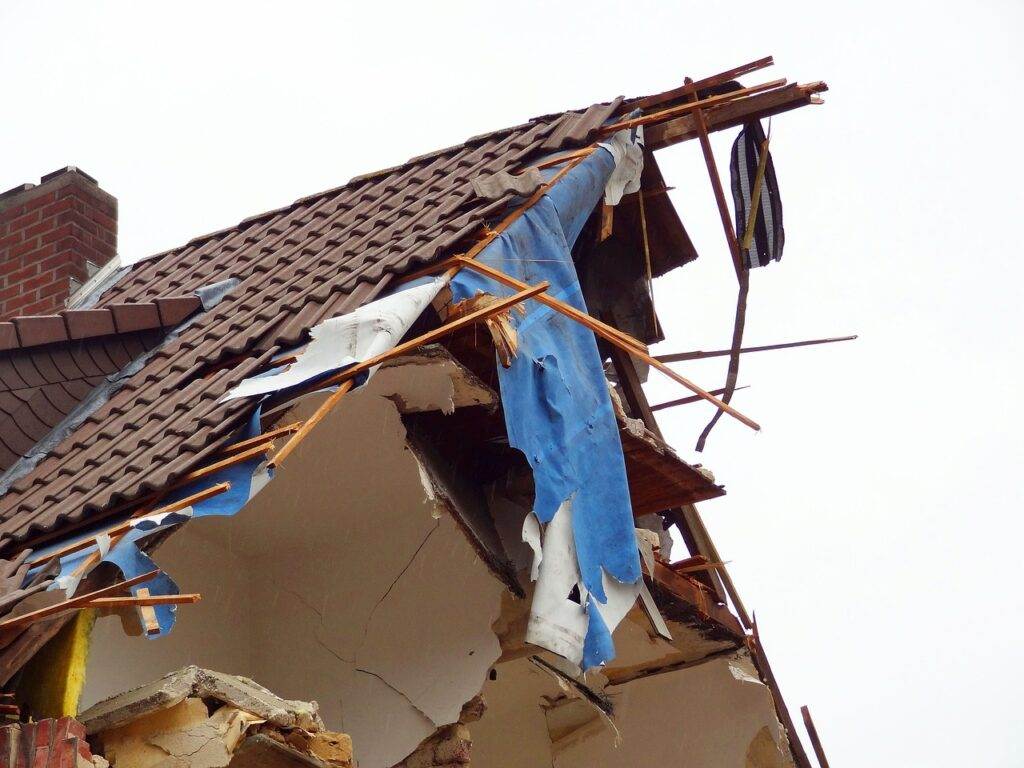
This image is property of pixabay.com.

Severity of the Leak

The severity of a roof leak plays a crucial role in determining the distance water can travel. The severity can be evaluated based on the size of the leak, the duration it remains unaddressed, and the water pressure within the roofing system.

Size of the Leak

Larger leaks can release a larger volume of water into the roofing structure, facilitating its spread and potentially causing more extensive damage. Consequently, the distance traveled by the water can be greater with larger leaks compared to smaller ones.

Duration of the Leak

Roof leaks that persist for an extended period can saturate the surrounding materials, compromising their structural integrity and allowing water to travel farther. The longer the leak remains unresolved, the more time water has to soak into various layers of the roof and potentially spread to other areas.

Water Pressure

The pressure of the water within the roofing system can influence the distance water can travel from a leak. Higher water pressure can propel the water further, potentially allowing it to reach areas farther from the source of the leak. Lower water pressure, on the other hand, may limit the distance traveled by the water.

Slope of the Roof

The slope or pitch of the roof affects both the flow of water and the distance it can travel. The slope determines how quickly water is directed toward drainage systems or off the roof entirely.

Effect on Water Flow

A steeper slope accelerates the flow of water, facilitating its quick removal from the roof’s surface. This fast flow can prevent water from pooling or stagnating, minimizing the distance water can travel and reducing the likelihood of extensive damage.

Effect on Distance Traveled

In contrast, a flatter roof with a minimal slope may impede the flow of water, enabling it to travel a greater distance before reaching a drainage point. Leaks on flat roofs have the potential to travel significant distances as water tends to spread horizontally rather than being directed downward.

The Surprising Distance Water Can Travel from a Roof Leak

This image is property of pixabay.com.

Presence of Obstacles

The presence of obstacles can impede the spread of water and limit the distance it can travel from a roof leak. Obstacles can include chimneys, vents, skylights, or any structures that interrupt the continuous flow of water.

Effect on Water Spread

Obstacles can redirect the flow of water, causing it to pool or accumulate in specific areas instead of spreading out evenly. This can restrict the distance traveled by water from the leak, concentrating the damage in localized regions.

Effect on Distance Covered

Similarly, obstacles can block the path of water, preventing it from reaching areas farther from the source of the leak. The greater the number and size of obstacles, the shorter the distance water can travel, reducing the potential for damage in unobstructed areas.

Weather Conditions

Weather conditions also influence the distance water can travel from a roof leak. Factors such as rainfall intensity, wind speed, and temperature can affect water evaporation, saturation levels, and the overall movement of water.

Impact on Water Evaporation

During dry and hot conditions, water from a roof leak is more likely to evaporate quickly, limiting the distance it can travel. Higher evaporation rates help mitigate the potential for water damage by reducing its presence on various surfaces.

Impact on Water Saturation

Conversely, heavy rainfall and prolonged wet periods can saturate the roofing materials and the underlying structure, allowing water to penetrate deeper and travel further. Water saturation can extend the distance traveled by leaks and exacerbate the potential for damage.

The Surprising Distance Water Can Travel from a Roof Leak

This image is property of pixabay.com.

Potential Consequences of Water Travel

Understanding the distance water can travel from a roof leak is crucial because it correlates with the potential consequences that can arise. These consequences include structural damage, mold and mildew growth, electrical damage, and health hazards.

Structural Damage

Water traveling a significant distance from a roof leak can weaken the structural components of a building. Continuous water exposure can compromise the stability and integrity of materials, leading to rot, deterioration, or even collapse. Structural damage may manifest as sagging ceilings, warped walls, or compromised foundations.

Mold and Mildew Growth

Water traveling from a roof leak provides a conducive environment for the growth of mold and mildew. As the water spreads within the structure, it can promote the growth of spores, leading to potential health hazards and further damage. Mold and mildew can cause allergic reactions, respiratory issues, and damage to surfaces and materials.

Electrical Damage

When water travels a considerable distance from a roof leak, it can reach electrical systems and pose a significant risk. Water infiltration into electrical components can lead to short circuits, electrocution hazards, and potential fires. Electrical damage can be costly to repair and pose a severe threat to both property and personal safety.

Health Hazards

Beyond the physical damage, the consequences of water travel from a leak extend to potential health hazards. Mold growth, as mentioned earlier, can trigger allergic reactions, respiratory problems, and other health issues. Additionally, accumulated moisture can create a breeding ground for bacteria, pests, and other contaminants that can pose health risks to occupants.

Detecting and Addressing Roof Leaks

Promptly detecting and addressing roof leaks is essential to prevent extensive damage and mitigate potential consequences. Here are some crucial steps to take:

Visible Signs of Water Damage

Regularly inspect your ceilings, walls, and attic spaces for visible signs of water damage, such as discoloration, peeling paint, or water stains. Additionally, be attentive to any musty odors, which can indicate the presence of mold or mildew resulting from a leak.

Engaging Professionals

If you suspect a roof leak but are unable to identify the source or extent of the problem, it is advisable to engage the services of a professional roofing contractor. Roofing professionals have the expertise, tools, and experience to locate and address leaks efficiently, helping prevent further damage.

Temporary Measures

While waiting for professional assistance, it may be necessary to implement temporary measures to minimize the extent of damage. Placing buckets or containers under visible leaks can catch dripping water and prevent it from spreading to other areas. Tarpaulins or plastic sheets can be used to cover exposed areas, ensuring additional water entry is prevented until repairs can be completed.

Repairing the Leak

Once the source of the leak is identified, it is crucial to repair it promptly and effectively. This may involve patching damaged roofing materials, replacing faulty components, or reinforcing vulnerable areas. It is essential to consult a professional for proper repairs to ensure the integrity and longevity of the fix.

The Surprising Distance Water Can Travel from a Roof Leak

This image is property of pixabay.com.

Preventing Future Roof Leaks

Prevention is always better than remediation. Taking proactive measures to prevent roof leaks can save time, money, and potential headaches. Here are some preventative steps to consider:

Regular Roof Inspections

Schedule regular roof inspections by qualified professionals to identify potential issues before they escalate into leaks. Routine inspections can help detect and address minor damages, ensure proper maintenance, and extend the lifespan of your roof.

Proper Maintenance

Implement a robust maintenance routine for your roof, including regular cleaning, removal of debris, and prompt repairs of any minor damages. Proper maintenance not only prevents leaks but also prolongs the overall lifespan of your roof.

Cleaning Gutters and Drains

Regularly clean and clear your gutters and drains to prevent blockages. Clogged gutters can cause water to overflow onto the roof, leading to leaks as well as potential water damage to the roof and surrounding areas.

Using Quality Materials

Invest in high-quality roofing materials that are designed to withstand various weather conditions and minimize water penetration. Consult with roofing professionals to ensure you choose materials that are suitable for your specific climate and have a good track record for durability and longevity.

Conclusion

Understanding the factors that affect the distance water can travel from a roof leak is crucial for homeowners and building managers alike. Factors such as the type of roofing material, severity of the leak, slope of the roof, presence of obstacles, and weather conditions all play a significant role in determining how far water can travel and the potential consequences it may bring. Taking proactive steps to detect, address, and prevent roof leaks is essential for maintaining a safe and structurally sound property. Regular inspections, proper maintenance, and engaging professionals when needed can help safeguard against damage and ensure the longevity of your roof.

The Surprising Distance Water Can Travel from a Roof Leak

This image is property of pixabay.com.

Source: https://roofingrepairspecialists.com/the-surprising-distance-water-can-travel-from-a-roof-leak/

Can a leak cause my roof to collapse?

In the realm of building maintenance, it is often the unnoticed and seemingly benign issues that can lead to dire consequences. One such concern that homeowners and property managers frequently ponder is whether a simple leak in their roof has the potential to escalate into a catastrophic collapse. This article examines the crucial question: Can a leak cause my roof to collapse? By exploring the intricate interplay between water infiltration, structural stability, and the progressive damage that leaks can inflict, we aim to shed light on the potential risks and provide insight into effective preventive measures.

Can a leak cause my roof to collapse?

A leak in your roof may seem like a minor inconvenience, but it can have serious consequences if left untreated. Not only can it cause damage to the interior of your home, but it can also lead to potential structural issues that can compromise the integrity of your roof. In this article, we will explore the possible structural damage that can result from a leak and the potential risks it poses to your roof.

Can a leak cause my roof to collapse?

This image is property of pixabay.com.

Possible structural damage resulting from a leak

When water infiltrates your roof through a leak, it can cause significant structural damage if not addressed promptly. One of the main concerns is the weakening of the roof’s support system, such as the trusses and rafters. These essential components provide crucial stability and support to your roof, and prolonged exposure to water can compromise their structural integrity. As a result, a weakened support system can eventually lead to the collapse of your roof if the issue is not repaired in a timely manner.

Weakening of the roof’s support system

As mentioned earlier, the support system of your roof, including the trusses and rafters, can be compromised by a persistent leak. These components are typically made of wood and are susceptible to water damage. When water seeps into the wood, it can cause it to swell, warp, and eventually weaken. If left unaddressed, the weakened support system can no longer bear the weight of the roof, leading to a potential collapse.

Can a leak cause my roof to collapse?

This image is property of pixabay.com.

Problems with the structural integrity of the roof sheathing

The roof sheathing, also known as the roof decking, is another area that can be affected by a leak. This layer of plywood or oriented strand board (OSB) sits between the roof’s support system and the exterior roofing material. When water seeps through a leak and reaches the sheathing, it can cause it to rot, deteriorate, or become structurally unsound. A compromised roof sheathing can weaken the overall structure of your roof, making it more susceptible to collapse.

Damage to the ceiling and walls

In addition to affecting the structural components of your roof, a leak can also cause damage to the interior of your home. Water that enters through a leak can travel along the roof structure and eventually reach the ceiling and walls. This can lead to water stains, discoloration, peeling paint, and even structural damage to these surfaces. If left unaddressed, the water damage can weaken the structural integrity of your home’s interior, further increasing the risk of collapse.

Can a leak cause my roof to collapse?

This image is property of pixabay.com.

Risk of mold and mildew growth

When water infiltrates your roof through a leak, it creates a damp environment that is conducive to the growth of mold and mildew. These microorganisms thrive in moist conditions and can quickly spread throughout your home, including hidden areas such as the attic and wall cavities. Mold and mildew not only pose health risks to you and your family but can also compromise the structural integrity of your home. They can weaken wooden components, cause structural decay, and further increase the risk of a roof collapse.

Water damage to electrical systems

Another potential consequence of a roof leak is water damage to your electrical systems. When water enters your home through a leak, it can come into contact with wires, outlets, and electrical panels. This poses a significant risk of electrical shock and fire hazards. Water damage can also disrupt the functioning of electrical systems, leading to malfunctions, short circuits, and potential electrical fires. It is essential to address roof leaks promptly to mitigate the risk of damage to your electrical systems and prevent potential disaster.

Potential for attic insulation damage

Attic insulation plays a crucial role in maintaining energy efficiency and temperature regulation within your home. However, when a leak occurs, water can saturate and damage the insulation material. Wet insulation loses its effectiveness and can become a breeding ground for mold and mildew. Moreover, the weight of the water-saturated insulation can put additional strain on the ceiling and potentially contribute to the weakening of the roof structure. Addressing roof leaks promptly is vital to preserve the integrity and functionality of your attic insulation.

Weakened roof trusses and rafters

As previously discussed, a leak can weaken the roof’s support system, which includes the trusses and rafters. These components are specifically designed to distribute the weight and stress of the roof evenly. When water infiltrates the wood, it can cause these load-bearing structures to weaken, warp, or even rot. As a result, the ability of the trusses and rafters to support the weight of the roof is compromised, increasing the risk of a collapse.

Increased load on the roof

When a roof develops a leak, it allows water to enter the structure, adding extra weight to the roof. The accumulation of water over time can significantly increase the load-bearing capacity that the roof has to withstand. This additional weight can put excessive stress on the already compromised structural components, making the roof more susceptible to collapse. It is essential to address leaks promptly to prevent the accumulation of water and minimize the added load on your roof.

Compromised roof decking

The roof sheathing, or roof decking, serves as a foundational layer that supports the weight of the roofing materials and provides a solid base for your roof. When a leak occurs, water can penetrate the sheathing and cause it to deteriorate or rot. A compromised roof decking can weaken the structural foundation of your roof, making it more susceptible to collapse. Therefore, it is crucial to address roof leaks promptly to prevent further damage to the roof decking and ensure the longevity of your roof.

In conclusion, a roof leak is not only a nuisance but can also have detrimental effects on the structural integrity of your roof. From weakening the support system to compromising the roof’s sheathing, a leak can lead to substantial damage that increases the risk of a roof collapse. Additionally, the potential for damage to the ceiling, walls, electrical systems, and attic insulation, as well as the risk of mold and mildew growth, further underscores the importance of addressing leaks promptly. Regular roof maintenance and addressing leaks immediately can help preserve the integrity of your roof and ensure the safety and longevity of your home.

Source: https://roofingrepairspecialists.com/can-a-leak-cause-my-roof-to-collapse/

Causes of Water Leaking Through Ceiling During Rain

In this article, we will explore the causes of water leaking through the ceiling during rain. It is a common concern for many homeowners to witness water seeping through their ceilings during rainy weather, leading to potential property damage and structural issues if not addressed promptly. By understanding the potential causes behind this issue, you will be better equipped to identify and resolve the problem, ensuring the integrity of your home remains intact.

Possible Causes of Water Leaking Through Ceiling During Rain

Water leaking through the ceiling during rain can be a frustrating problem for homeowners. Not only does it create an unpleasant living environment, but it can also lead to significant damage to the structure of your home. Understanding the possible causes of this issue is the first step towards finding a solution and preventing further damage. In this article, we will explore nine potential causes of water leaking through the ceiling during rain and how each of these issues can be addressed.

1. Damaged Roofing Material

1.1 Aging and Wear

One of the most common causes of water leaking through the ceiling during rain is damaged roofing material, particularly as it ages. Over time, exposure to the elements and natural wear and tear can cause roofing materials to deteriorate, resulting in cracks, holes, or weakened areas. These damaged areas can allow rainwater to penetrate through the roof and into the ceiling of your home. Regular roof inspections and maintenance can help identify any aging or worn roofing material and address it promptly to prevent further leaks.

1.2 Storm Damage

Severe weather conditions, such as heavy rainstorms, strong winds, or hail, can cause significant damage to your roof. Falling debris, tree branches, or even the force of strong winds can dislodge roofing materials, creating openings that allow water to seep through. It is crucial to inspect your roof after severe weather events and promptly address any visible damage to prevent water leakage.

1.3 Roofing Material Defects

In some cases, water leaking through the ceiling during rain could be attributed to defects in the roofing material itself. Poor manufacturing, faulty installation, or low-quality materials can all contribute to vulnerabilities in the roof that allow water infiltration. It is essential to invest in high-quality roofing materials from reputable manufacturers and ensure proper installation by experienced professionals to minimize the risk of defects causing water leaks.

Causes of Water Leaking Through Ceiling During Rain

This image is property of pixabay.com.

2. Missing or Loose Shingles

2.1 Wind Damage

Strong winds can cause shingles to become loose or entirely dislodged from your roof. When this occurs, rainwater can easily infiltrate the gaps between the missing or loose shingles and make its way into your home through the ceiling. Regularly inspecting and maintaining your roof can help detect any shingle issues early on and prevent water leaks during rainy weather.

2.2 Poor Installation

Improper installation of shingles can also lead to water leakage during rain. If shingles are not securely fastened or aligned correctly during the installation process, they may not provide adequate protection against water intrusion. It is crucial to hire reputable and experienced professionals for the installation of roofing shingles to ensure they are properly installed and reduce the risk of water leaks.

2.3 Aging and Deterioration

Just like any other roofing material, shingles can deteriorate over time due to aging and exposure to the elements. When shingles become old and worn, they may crack, become brittle, or lose their protective coating, rendering them ineffective in preventing water leakage. Regularly inspecting your roof and replacing any aged or deteriorated shingles can help maintain the integrity of your roof and prevent water infiltration.

3. Clogged Gutters and Downspouts

3.1 Debris Accumulation

Clogged gutters and downspouts can contribute to water leaking through the ceiling during rain. When leaves, twigs, and other debris accumulate in the gutters and downspouts, they can obstruct the flow of rainwater, causing it to back up and overflow. This overflow can lead to water seeping into the roof and eventually leaking through the ceiling. Regular gutter cleaning and maintenance are crucial to prevent clogs and ensure proper drainage of rainwater.

3.2 Lack of Maintenance

Neglecting regular maintenance of your gutters and downspouts can also result in water leakage during rain. Over time, gutters can become loose, develop cracks, or separate from the roofline, creating openings for water to enter. It is important to inspect your gutters and downspouts regularly and address any maintenance issues promptly to avoid water leaks.

3.3 Inadequate Drainage System

The effectiveness of your gutter system depends not only on its cleanliness but also on its design and functionality. If the slope of your gutters is incorrect or if the downspouts are not adequately directed away from the foundation of your home, rainwater may accumulate on the roof and eventually find its way into your home’s interior. Ensuring proper installation and functionality of your gutter system can significantly reduce the risk of water leaks during rainy weather.

Causes of Water Leaking Through Ceiling During Rain

This image is property of pixabay.com.

4. Damaged Flashing

4.1 Corrosion

Flashing, which is the material used to seal the joints and edges of your roof, can deteriorate over time due to corrosion. Exposure to moisture and harsh weather conditions can cause the flashing to corrode and weaken, creating gaps and openings that allow water to infiltrate. Regular inspection of the flashing and timely replacement or repair can prevent water leakage during rain.

4.2 Poor Installation

Flashing that has been incorrectly installed can also be a source of water leaks. Improper alignment, inadequate sealing, or the use of subpar materials during installation can compromise the integrity of the flashing, resulting in water intrusion. Hiring qualified and experienced professionals for the installation or repair of flashing can help ensure it is properly installed and minimize the risk of water leakage.

4.3 Thermal Expansion and Contraction

The expansion and contraction of roofing materials due to temperature fluctuations can affect the integrity of flashing. Over time, the repetitive expansion and contraction can cause the flashing to shift, crack, or separate from the roof, allowing water to penetrate through the gaps. Regular inspection and maintenance of flashing, as well as using materials that can withstand thermal stresses, can mitigate the risk of water leaks.

5. Improperly Installed Skylights

5.1 Improper Flashing

Skylights, if not properly installed, can become a potential entry point for rainwater. The flashing surrounding the skylight should create a watertight seal to prevent water from seeping through. However, if the flashing is improperly installed or damaged, it may fail to adequately protect against water intrusion. Checking the condition of the skylight flashing and ensuring proper installation can help prevent water leaks during rainy weather.

5.2 Poor Sealants

Sealants around the skylight can deteriorate over time, leading to compromised water resistance. Exposure to sunlight, temperature fluctuations, and moisture can cause sealants to crack, shrink, or lose their adhesive properties, allowing water to penetrate into your home. Regular inspection and replacement of sealants, as well as using high-quality sealant products, can help maintain the effectiveness of the skylight seal and prevent water leakage.

5.3 Inadequate Insulation

Inadequate insulation around skylights can contribute to water leaks during rain. Improperly installed or insufficient insulation may allow condensation to form on the skylight, leading to moisture buildup that can eventually result in water dripping through the ceiling. Ensuring proper insulation around skylights and addressing any insulation deficiencies can help mitigate the risk of water leakage.

Causes of Water Leaking Through Ceiling During Rain

This image is property of pixabay.com.

6. Cracked Chimney

6.1 Water Absorption

Chimneys are vulnerable to water infiltration, particularly when they are made of porous materials such as brick or stone. Over time, these materials can absorb water, leading to cracks and deterioration. Rainwater can seep through the cracks and enter your home through the ceiling. Applying a waterproof sealant or installing a chimney cap can help protect against water absorption and prevent leaks.

6.2 Masonry Deterioration

The masonry that makes up the chimney structure can deteriorate over time due to exposure to the elements. Freeze-thaw cycles, moisture penetration, and the effects of aging can cause the mortar and bricks to deteriorate, forming gaps and crevices that allow water infiltration. Regular inspection and maintenance of the chimney, including repointing and repairing damaged masonry, can prevent water leaks during rain.

6.3 Structural Settling

Over time, the foundation of your home may settle, causing your chimney to shift or separate from the main structure. This shifting can create gaps and openings that allow rainwater to enter your home through the ceiling. Monitoring the condition of your chimney and addressing any structural settling issues promptly can help prevent water leakage.

7. Condensation and Moisture Buildup

7.1 Inadequate Ventilation

Inadequate ventilation within your home can lead to condensation and moisture buildup, even during rain. When warm, moist air is unable to escape, it can condense on cold surfaces such as the ceiling, leading to the formation of water droplets. Over time, this condensation can accumulate and eventually cause water to drip through the ceiling. Proper ventilation, including the use of exhaust fans, vents, and air circulation, can help reduce excessive moisture and prevent condensation-related water leaks.

7.2 High Indoor Humidity

High levels of indoor humidity can contribute to condensation and moisture buildup, which can manifest as water leaking through the ceiling during rain. Activities such as cooking, showering, or drying clothes indoors can increase humidity levels if proper ventilation is lacking. Monitoring and controlling indoor humidity through the use of dehumidifiers and ensuring proper airflow can help prevent excess moisture accumulation and subsequent water leakage.

7.3 Temperature Differences

Significant temperature differences between the interior and exterior of your home can lead to condensation and moisture buildup. Cold exterior surfaces, such as the ceiling or walls, can attract moist air, causing it to condense and potentially result in water leaks. Proper insulation and air sealing can help minimize temperature differences and reduce the risk of condensation-related water leakage during rainy weather.

8. Plumbing Leaks

8.1 Burst or Leaking Pipes

Plumbing leaks can be a common cause of water leakage, even during rain. Burst or leaking pipes can allow water to escape and seep into the ceiling, causing water stains or dripping. Regular inspection of your plumbing system, checking for signs of leaks, and promptly addressing any plumbing issues can help prevent water leaks.

8.2 Faulty Plumbing Fixtures

Faulty plumbing fixtures, such as leaking faucets, toilets, or showerheads, can also contribute to water leakage through the ceiling. Any drips or leaks from plumbing fixtures should be addressed promptly to prevent further water damage and potential ceiling leaks. Regularly inspecting and maintaining your plumbing fixtures can help ensure they are in proper working condition and prevent water leaks during rainy weather.

8.3 Failed Waterproofing

Failed waterproofing around plumbing pipes or fixtures can result in water leakage during rain. Improperly sealed or deteriorated waterproofing materials can allow water to seep into the ceiling from these areas. Regular inspection of waterproofing measures and timely repair or replacement of damaged materials can help maintain the integrity of the waterproofing system and prevent water leaks.

9. Air Leaks

9.1 Leaky Windows and Doors

Air leaks around windows and doors can not only affect energy efficiency but also contribute to water leakage during rain. If there are gaps, cracks, or worn weatherstripping around windows and doors, rainwater can infiltrate through these openings and make its way into the ceiling. Regularly checking for and sealing any air leaks can help prevent water leaks and improve the overall energy efficiency of your home.

9.2 Insufficient Insulation

Insufficient insulation in your home can lead to temperature differences and condensation, which can result in water leakage during rain. Inadequate insulation in the walls or ceiling can allow warm, moist air to come into contact with cold surfaces, leading to condensation and potential water infiltration. Ensuring proper insulation throughout your home can help minimize temperature differences and reduce the risk of water leaks.

9.3 Drafty Attic

A drafty attic can also contribute to water leakage during rain. If there are gaps or openings in the attic, rainwater can enter through these areas and seep into the ceiling below. Proper insulation and sealing of any attic air leaks can help prevent both energy loss and water leaks during rainy weather.

In conclusion, water leaking through the ceiling during rain can have various causes, each requiring a unique solution. From damaged roofing materials and missing shingles to clogged gutters, damaged flashing, and improper installations, homeowners should be aware of the range of potential causes and take proactive measures to prevent water leaks. Regular inspections, maintenance, and addressing any issues promptly can help maintain the integrity of your home’s structure and keep your living environment dry and protected, even during heavy rainfall.

Source: https://roofingrepairspecialists.com/causes-of-water-leaking-through-ceiling-during-rain/

How to deal with water coming through the ceiling

In the unfortunate event of water infiltrating your ceiling, it is vital to promptly address the issue to prevent further damage. This article aims to provide you with practical advice on how to effectively deal with this situation. By following the recommended steps, you can minimize the potential impact on your property and ensure the safety of those residing within.

Identify the Source of the Water

Locate the origin

When water comes through the ceiling, it is crucial to locate the origin of the water before taking any further action. Look for any visible signs such as stains, dripping water, or sagging ceilings. Follow the path of the water to find the source, which could be a burst pipe, leaking roof, or plumbing issue.

Determine the type of water

After identifying the source, it is important to determine the type of water that is leaking through the ceiling. There are three types of water: clean water, gray water, and black water. Clean water may come from sources like a broken water supply line or overflowing sink. Gray water contains contaminants and can come from sources like a dishwasher or washing machine. Black water is highly unsanitary and can come from sewage backups or a toilet overflow. Understanding the type of water can help gauge the level of risk and determine the necessary safety precautions to take.

Check surrounding areas for leaks

In addition to identifying the source, it is essential to check for any leaks in the surrounding areas. Inspect the walls, ceilings, and floors for signs of water damage, such as water stains, mold growth, or soft spots. This will help ensure that all sources of water intrusion are identified and addressed to prevent further damage.

Emergency Actions

Protect personal belongings and furniture

When water is coming through the ceiling, one of the first things you should do is protect your personal belongings and furniture in the affected area. Move any valuable items to a dry place and cover furniture with plastic or tarps to prevent water damage. This proactive measure can help minimize the loss of possessions and potential expenses for replacement or repairs.

Turn off the electricity

Water and electricity can be a dangerous combination. To ensure the safety of yourself and others, it is important to turn off the electricity in the affected area. Locate the main electrical panel and switch off the circuit breaker or remove the fuse for that specific area. This will prevent the risk of electrocution and further damage to electrical devices or wiring due to water exposure.

Collect the water

While waiting for professional assistance or performing immediate repairs, it is essential to collect the water coming through the ceiling to prevent further damage. Place buckets or pans strategically to catch the water and avoid it spreading to other areas. Regularly empty the containers to prevent overflow and potential flooding. Taking these proactive measures will help minimize further water damage and make the cleanup process easier.

How to deal with water coming through the ceiling

This image is property of pixabay.com.

Immediate Repairs

Patch the source of the leak

Once the immediate safety measures have been taken, it is important to address the source of the leak to prevent further damage. If it is a burst pipe or plumbing issue, locate the shut-off valve and turn off the water supply. Then, patch the leak using suitable materials such as pipe repair tape or epoxy putty. Apply the patch carefully following the manufacturer’s instructions, ensuring a tight seal to stop the water from flowing.

Use sealant or waterproof tape

In cases where the water is coming through the ceiling due to roof leaks or gaps in the structure, using sealant or waterproof tape can provide a temporary solution. Apply the sealant or waterproof tape to the affected area, following the instructions provided by the manufacturer. This will help create a barrier against water intrusion until a permanent repair can be made.

Utilize buckets or pans to catch water

While addressing the source of the leak, it is important to continue collecting the water that is coming through the ceiling. Place buckets or pans strategically beneath the affected area to catch the water and prevent it from causing further damage. Empty the containers regularly to avoid overflow and potential flooding. This temporary solution will help minimize water damage until professional assistance can be obtained.

Call a Professional Plumber

Hire a licensed plumber

Dealing with water coming through the ceiling can be a complex issue that requires the expertise of a professional plumber. When selecting a plumber, it is essential to hire a licensed and insured individual or company. This ensures that they have the necessary skills, knowledge, and experience to safely and effectively address the problem.

Seek recommendations

To find a reputable plumber, seek recommendations from family, friends, or neighbors who have previously dealt with similar issues. They can provide valuable insights into their experiences and recommend reliable professionals. Additionally, online reviews and ratings can also be helpful in evaluating the quality of service provided by different plumbers.

Get multiple quotes

To ensure a fair and competitive pricing for the repairs, it is recommended to obtain multiple quotes from different plumbers. Provide them with detailed information about the issue and ask for a breakdown of the costs involved. Compare the quotes and carefully evaluate the services offered before making a final decision. Remember, the cheapest option may not always be the best, so prioritize quality and reliability in addition to affordability.

How to deal with water coming through the ceiling

This image is property of pixabay.com.

Temporary Solutions

Apply a water-resistant coating

Applying a water-resistant coating to the affected area can be a temporary solution to prevent water intrusion until permanent repairs can be made. There are various water-resistant coatings available in the market, such as waterproof paint or sealants specifically designed for ceilings. Follow the manufacturer’s instructions carefully and ensure proper ventilation during the application process.

Install a tarp or plastic sheeting

If the water coming through the ceiling is due to a leaking roof, installing a tarp or plastic sheeting can provide temporary protection against further water damage. Securely cover the affected area with the tarp or plastic sheeting, ensuring it is tightly fastened to prevent water from seeping underneath. This will act as a barrier, diverting the water away from the interior until roof repairs can be made.

Use a dehumidifier or air conditioner

To prevent the growth of mold and mildew, it is essential to control the humidity levels in the affected area. Using a dehumidifier or air conditioner can help extract excess moisture from the air, creating a drier environment. This will not only inhibit the growth of mold but also aid in drying out the affected surfaces, reducing the risk of further damage.

Inspect and Repair the Ceiling

Assess the extent of damage

After addressing the immediate concerns, it is important to assess the extent of damage to the ceiling. Carefully inspect the affected area for any signs of water damage, such as discoloration, sagging, or peeling paint. This assessment will help determine the necessary repairs and whether sections of the ceiling need to be replaced.

Repair or replace damaged ceiling

Based on the assessment, damaged sections of the ceiling may need to be repaired or replaced entirely. Small areas of water damage can often be repaired by patching or sanding and repainting. However, more extensive damage may require the replacement of larger sections of the ceiling to ensure structural integrity and aesthetics.

Apply plaster or joint compound

Once the repairs or replacements have been made, it is important to apply plaster or joint compound to create a smooth and seamless finish. This will help blend the repaired or replaced sections with the rest of the ceiling. Follow the manufacturer’s instructions and allow sufficient drying time before applying paint or other finishing touches.

How to deal with water coming through the ceiling

This image is property of pixabay.com.

Resolve Plumbing Issues

Fix leaking pipes or faucets

To prevent future instances of water coming through the ceiling and further damage, it is crucial to address any leaking pipes or faucets promptly. Leaks can lead to water buildup within the walls or ceiling, causing structural damage and promoting the growth of mold. Identify the source of the leak and either fix or replace the faulty components to ensure a proper and watertight plumbing system.

Repair faulty water supply lines

Faulty water supply lines can contribute to water intrusion issues within the home. Inspect the water supply lines and look for any signs of leaks, such as dampness or water stains. If any issues are identified, repair or replace the faulty water supply lines to prevent future water damage and potential health hazards associated with mold growth.

Replace worn-out gaskets or seals

Over time, gaskets or seals on plumbing fixtures can degrade, leading to leaks and water damage. Inspect the gaskets and seals on toilets, sinks, and other fixtures, and replace any worn-out or damaged components. Properly functioning gaskets and seals will help maintain a watertight seal, reducing the risk of water coming through the ceiling.

Preventive Measures

Regularly check for signs of moisture

To prevent unexpected water damage, regularly check for signs of moisture in areas prone to leaks or water intrusion. Inspect the ceilings, walls, and floors for any discoloration, mold growth, or dampness. Early detection of moisture-related issues can help address them promptly and prevent extensive damage.

Maintain gutters and downspouts

Proper maintenance of gutters and downspouts is crucial in directing water away from the home and preventing roof leaks. Regularly clean and clear any debris from gutters to ensure proper drainage. Check for any damage or leaks in the gutters and repair them promptly. Additionally, ensure that downspouts are positioned correctly and direct water a safe distance from the foundation to prevent water from seeping into the home.

Insulate pipes to prevent freezing

In colder climates, pipes located in unheated areas can freeze and burst, resulting in water damage. Insulating exposed pipes, such as those in attics or crawl spaces, can help prevent freezing. Insulation materials designed for pipes can be easily installed to provide an extra layer of protection against low temperatures.

Document the Damage

Take photographs or video

Before initiating any cleanup or repair efforts, document the water damage by taking photographs or videos. This evidence will be valuable for insurance claims and can provide a clear record of the extent of the damage caused by the water coming through the ceiling. Take detailed shots of the affected areas, including close-ups of any visible water stains, structural damage, or personal belongings that have been affected.

Prepare an inventory of damaged items

Create a detailed inventory of all items that have been damaged by the water coming through the ceiling. Include a description, approximate value, and any relevant receipts or documentation of purchase. This inventory will be useful when filing an insurance claim and can help ensure that you receive appropriate compensation for the damaged belongings.

Contact your insurance company

Notify your insurance company as soon as possible after experiencing water damage from the ceiling. Provide them with the documented evidence, inventory of damaged items, and any other relevant information they may require. The insurance company will guide you through the claims process and assist with the necessary steps to recover from the water damage.

Contact a Professional Water Damage Restoration Service

Assess the extent of water damage

To fully assess the extent of the water damage and develop an appropriate restoration plan, it is advisable to contact a professional water damage restoration service. Trained technicians will conduct a thorough assessment of the affected areas, including hidden moisture behind walls or ceilings. This assessment will help determine the most effective course of action to restore the property to its pre-damaged condition.

Implement drying and dehumidification techniques

Water damage restoration professionals have access to specialized equipment for drying and dehumidification. They will use techniques such as air movers, dehumidifiers, and moisture meters to effectively dry the affected areas. This process helps prevent secondary damage, such as mold growth, and ensures that the property is thoroughly dried to prevent any lingering moisture-related issues.

Perform necessary repairs and restoration

Once the affected areas are properly dried, water damage restoration professionals will perform the necessary repairs and restoration. This may include replacing damaged materials, repainting, and ensuring proper structural integrity. Their expertise and experience will help restore the property to its pre-damaged state, providing peace of mind and minimizing any long-term effects from the water damage.

Dealing with water coming through the ceiling can be a stressful and overwhelming experience. By following the outlined steps and seeking professional assistance, you can effectively address the issue, minimize further damage, and restore your property to its pre-damaged condition. Remember to prioritize safety, document the damage for insurance purposes, and take preventive measures to reduce the risk of future incidents.

Source: https://roofingrepairspecialists.com/how-to-deal-with-water-coming-through-the-ceiling/

Understanding the Timeline for Structural Damage from Leaks

Structural damage caused by leaks is a concern that every property owner must be familiar with. The timeline for such damage can vary depending on various factors, including the severity of the leak, the type of materials affected, and the overall condition of the structure. This article aims to provide a comprehensive understanding of the timeline involved in the development of structural damage from leaks. By exploring the potential consequences and stages of deterioration, you will gain valuable insights that can help you identify and address leaks promptly, ultimately safeguarding your property from extensive harm.

Understanding the Timeline for Structural Damage from Leaks

This image is property of superiorrestore.com.

Overview

Structural damage refers to any damage or deterioration that occurs to a building’s structure as a result of leaks or water intrusion. It can have serious consequences for the integrity and safety of a property, making it crucial to understand the timeline of structural damage. By promptly addressing leaks and implementing proper preventive measures, the risk of long-term damage can be significantly reduced.

Definition of Structural Damage

Structural damage encompasses a wide range of issues that can arise as a result of leaks. It includes damage to building materials such as drywall, wood, and concrete, as well as weakening of structural components such as beams, columns, and walls. Over time, if left unattended, structural damage can lead to more severe problems like foundation damage, wood rot, and even structural imbalance.

Understanding the Timeline for Structural Damage from Leaks

This image is property of http://www.rapidrestorationmn.com.

Importance of Understanding the Timeline

Understanding the timeline of structural damage is essential for assessing the urgency of addressing a leak and implementing appropriate measures. Different factors influence how quickly structural damage can occur, including the type, severity, duration, and location of the leak. By understanding these factors, property owners can take timely action to prevent further damage and mitigate potential risks.

Factors Influencing Structural Damage

Several factors play a crucial role in determining the extent and pace of structural damage caused by leaks. These factors should be considered when evaluating potential damage and planning for repairs or preventive measures.

Type of Leak

The type of leak can greatly impact the severity and timeline of structural damage. For instance, a roof leak can cause immediate damage to ceilings and walls, while a plumbing leak may lead to gradual deterioration of building materials over time. Understanding the specific type of leak is crucial in determining the appropriate response and assessing potential risks.

Severity of the Leak

The severity of a leak also affects the timeline for structural damage. A small, slow leak may take longer to cause noticeable damage, while a severe leak can lead to immediate and significant structural issues. It is important to address leaks promptly, regardless of their severity, to prevent further damage and ensure the safety and integrity of the building.

Duration of the Leak

The duration of a leak is another critical factor affecting structural damage. A leak that is left unattended for an extended period can gradually weaken building materials and compromise the structural integrity. Quick identification and repair of leaks can minimize the potential for long-term or irreversible damage.

Location of the Leak

The location of a leak within a building can also influence the timeline for structural damage. Leaks in areas with high foot traffic or significant weight-bearing components may accelerate the deterioration process. Understanding the location of a leak can help prioritize repairs and preventive measures to mitigate potential risks.

Understanding the Timeline for Structural Damage from Leaks

This image is property of metrolinarestoration.com.

Immediate Effects of Leaks

When a leak occurs, there are immediate effects that may indicate the presence of structural damage and require immediate attention.

Visible Signs of Damage

Visible signs, such as water stains, peeling paint, or bulging walls, can indicate the presence of structural damage. These signs may appear in areas directly affected by the leak, such as ceilings, walls, or floors. Promptly addressing these visible signs is essential to prevent further deterioration and mitigate potential safety hazards.

Immediate Safety Concerns

Leaks can pose immediate safety concerns, especially if they occur near electrical components or in areas prone to slipping hazards. Water can infiltrate electrical systems, leading to electrical shock or fire hazards. Additionally, damp or wet surfaces can increase the risk of slips and falls. Ensuring immediate safety measures, such as turning off electricity to affected areas or placing warning signs, is crucial when addressing leaks.

Impact on Property Value

Untreated leaks and resulting structural damage can significantly impact the value of a property. Potential buyers or tenants may be deterred by visible signs of damage or concerns about hidden structural issues. Taking prompt action to address leaks and prevent structural damage can help preserve the value of the property and avoid potential financial losses.

Short-Term Structural Damage

If left unattended, leaks can cause short-term structural damage that can affect the integrity and stability of a building.

Damage to Building Materials

Water intrusion can cause damage to various building materials, including drywall, wood, and concrete. Drywall may become saturated, leading to swelling, warping, or even crumbling. Wooden components, such as beams or studs, can rot or weaken, compromising the structural integrity. Concrete may develop cracks or spalling due to the expansion and contraction caused by water infiltration.

Weakening of Structural Components

Leaking water can gradually weaken structural components, such as beams, columns, or walls. Over time, the continuous exposure to moisture can compromise their load-bearing capacity and stability. Weakening of structural components can lead to the deformation or collapse of the building, posing significant safety risks.

Moisture-Related Issues

Leaks introduce moisture into the building, creating a favorable environment for the growth of mold and mildew. Moisture can also attract pests like termites, further contributing to structural damage. Mold growth not only weakens building materials but also poses health risks to occupants. Moisture-related issues need to be addressed promptly to prevent the spread of mold, protect the health of inhabitants, and preserve the structural integrity of the building.

Understanding the Timeline for Structural Damage from Leaks

This image is property of thefloodteam.com.

Medium-Term Structural Damage

If leaks are not promptly addressed, medium-term structural damage can occur, exacerbating the risks and consequences.

Deterioration of Exposed Surfaces

Leaks that persist over an extended period can cause the deterioration of exposed surfaces. Stains, discoloration, or warping of walls, ceilings, and floors may become more prominent. Over time, this deterioration can lead to the need for extensive repairs or replacements of building materials, increasing the cost and complexity of addressing the structural damage.

Mold and Mildew Growth

Persistent moisture from ongoing leaks can foster the growth of mold and mildew. These microorganisms can proliferate in hidden or hard-to-reach areas, such as within walls or beneath flooring. Mold and mildew growth not only worsen the structural damage but also pose significant health risks to occupants, especially those with respiratory conditions. Timely detection and remediation of mold and mildew are crucial to prevent their spread and further structural deterioration.

Compromised Insulation

Leaks can compromise the effectiveness of insulation materials within the building’s envelope. Water intrusion can reduce the insulation’s thermal resistance, leading to increased energy consumption and discomfort for occupants. Additionally, damp insulation can become a breeding ground for mold and mildew, further exacerbating structural and health risks. Insulation repair or replacement may be necessary to restore energy efficiency and maintain a healthy indoor environment.

Long-Term Structural Damage

If unaddressed for an extended period, leaks can cause severe long-term structural damage that can be costly and challenging to remediate.

Damage to Foundation and Support Structures

Persistent leaks can seep into the foundation and support structures of a building, leading to significant damage. Water infiltration can erode the soil beneath the foundation, causing settlement or even shifting of the entire structure. Foundation cracks, sagging or uneven floors, and doors or windows that no longer close properly may indicate long-term structural damage. Repairing foundation damage can be complex and expensive, highlighting the need for timely leak detection and repair.

Wood Rot and Decay

Leaking water can penetrate wooden components, leading to wood rot and decay. This deterioration weakens the structural integrity of beams, columns, or wooden framing, jeopardizing the overall stability of the building. Visual signs of wood rot include soft or spongy wood, discoloration, or the presence of fungus. If left untreated, wood rot can spread and require extensive repairs or replacements that can be costly and disruptive.

Structural Imbalance and Shifting

Undetected or unresolved leaks can cause structural imbalance and shifting of the building over time. The continuous exposure to moisture can lead to differential settling, where one part of the structure sinks or shifts more than others. This can result in cracked walls, uneven floors, or doors and windows that no longer function properly. Structural imbalance and shifting significantly compromise the stability and safety of the building, necessitating extensive repairs and remediation.

Understanding the Timeline for Structural Damage from Leaks

This image is property of http://www.kelmann.com.

Risk of Collateral Damage

Leaks and resulting structural damage can have ripple effects, leading to several collateral hazards throughout the property.

Electrical and Fire Hazards

Water infiltration can pose electrical and fire hazards if it reaches electrical systems, outlets, or wiring. The combination of water and electricity can lead to short circuits, electrical shock, or even fires. It is crucial to promptly address leaks to prevent potential electrical hazards and mitigate the risk of fire outbreaks that can cause extensive damage or even endanger lives.

Plumbing System Failures

Leaks in the plumbing system, if not addressed promptly, can lead to plumbing failures throughout the property. Ongoing leaks can cause pipes to corrode, weaken, or burst, resulting in water damage and disruption to water supply. The cost of repairing plumbing failures can be substantial, and the resulting water damage can further contribute to structural issues.

Compromised HVAC System

Leaks can also impact the HVAC (heating, ventilation, and air conditioning) system within the building. Water infiltration can damage ductwork or air handling units, affecting the system’s performance and efficiency. Moisture can also promote the growth of mold or mildew within the HVAC system, circulating potentially harmful particles throughout the building. Proper maintenance and prompt leak detection are crucial to preserve the functioning and lifespan of the HVAC system.

Prevention and Early Detection

Implementing preventive measures and regularly inspecting for leaks are essential strategies to mitigate the potential for structural damage.

Regular Inspections and Maintenance

Routine inspections by qualified professionals can help identify potential leaks or signs of water intrusion before they escalate into structural damage. Regular maintenance, such as checking roof integrity, inspecting plumbing systems, and ensuring proper sealing around windows and doors, can prevent leaks from occurring or detect them at an early stage.

Proper Drainage Systems

Proper drainage systems, including gutters, downspouts, and grading, play a vital role in preventing water accumulation. Adequate drainage ensures that water is effectively diverted away from the building, reducing the risk of leaks and water intrusion. Regular maintenance of these systems is necessary to ensure their optimal functioning and prevent potential structural damage.

Prompt Repair of Leaks

Promptly repairing leaks is crucial to prevent the escalation of damage and minimize the associated risks. As soon as a leak is discovered, it should be promptly assessed and repaired by qualified professionals. Ignoring or delaying the repair of even minor leaks can lead to long-term structural damage, compromising the integrity and safety of the building.

Timelines for Different Leak Types

Different types of leaks have varying timelines for causing structural damage. Understanding these timelines can help prioritize response and mitigation efforts.

Roof Leaks

Roof leaks can cause immediate damage, especially during heavy rainfall or storms. Within a short period, water can infiltrate the building, leading to visible stains, weakened ceilings, or compromised insulation. Continuous exposure can further deteriorate building materials and spread mold or mildew. Prompt roof inspections and maintenance are critical to prevent severe structural damage.

Plumbing Leaks

Plumbing leaks can have both immediate and gradual effects on the structure. Severe leaks, such as burst pipes, can lead to instant water damage, while smaller leaks may go unnoticed for an extended period. Over time, ongoing plumbing leaks can weaken building materials, compromise structural components, and promote mold growth. Regular plumbing maintenance and inspections are essential to detect and repair leaks promptly.

Foundation Leaks

Leaks in the foundation can have long-term consequences, as they directly affect the structural stability of the building. Foundation leaks may take months or even years to cause noticeable damage, with symptoms ranging from cracks in the foundation walls to uneven floors. Prompt identification and repair of foundation leaks are critical to minimize the risk of extensive structural damage.

Mitigation Strategies for Structural Damage

When structural damage occurs due to leaks, several mitigation strategies can help minimize risks and restore the integrity of the building.

Addressing Immediate Safety Concerns

The immediate safety concerns associated with structural damage from leaks should be addressed promptly. This may involve isolating affected areas, shutting off electricity or water supply, or implementing temporary support measures to prevent further collapse or injuries.

Repairing and Reinforcing Damaged Areas

Repairing and reinforcing damaged areas is crucial to restore the structure’s integrity and prevent further deterioration. This may include replacing damaged building materials, reinforcing weakened structural components, or waterproofing vulnerable areas. Qualified professionals should be consulted to ensure proper repairs and reinforcements are performed.

Implementing Preventive Measures

After repairing the damage, it is essential to implement preventive measures to minimize the risk of future leaks and structural damage. This may involve improving drainage systems, enhancing building envelope integrity, installing leak detection systems, or implementing regular maintenance programs. Proactive measures play a vital role in preventing structural damage and maintaining the long-term safety and value of the property.

In conclusion, understanding the timeline for structural damage from leaks is essential for property owners and managers. By considering factors such as leak type, severity, duration, and location, the urgency and appropriate actions can be determined. Immediate effects of leaks include visible signs of damage, safety concerns, and impacts on property value. Short-term structural damage can include damage to building materials, weakening of structural components, and moisture-related issues. Medium-term damage may involve deterioration of exposed surfaces, mold growth, and compromised insulation. Long-term damage can result in foundation issues, wood rot, and structural imbalance. Collateral risks include electrical hazards, plumbing failures, and compromised HVAC systems. Prevention and early detection are crucial through regular inspections, proper drainage systems, and prompt leak repairs. Different leak types have varying timelines for causing damage, emphasizing the need for tailored response strategies. Mitigation strategies include addressing safety concerns, repairing and reinforcing damaged areas, and implementing preventive measures to minimize risk and ensure the long-term integrity of the building. By understanding the timeline and taking proactive measures, property owners can protect their investments and maintain safe, structurally sound buildings.

Source: https://roofingrepairspecialists.com/understanding-the-timeline-for-structural-damage-from-leaks/

Does homeowners insurance cover ceiling leaks?

Ceiling leaks can be an unexpected and troublesome problem for homeowners. These sudden water intrusions not only damage the structure of your home but also pose potential health risks and the need for immediate repair. But does homeowners insurance provide coverage for such incidents? In this article, we explore the extent to which homeowners insurance policies may or may not cover ceiling leaks, helping you understand the financial protection available to you in times of unforeseen water damage.

Ceiling Leaks and Homeowners Insurance

Understanding Ceiling Leaks

Ceiling leaks can be a common and distressing issue faced by homeowners. They occur when there is a breach in your roof or plumbing system, which allows water to seep into your ceiling and potentially cause damage. Understanding the causes, signs, and potential risks associated with ceiling leaks is crucial to address the problem effectively and ensure the safety of your home.

Importance of Homeowners Insurance

As a homeowner, protecting your investment is of utmost importance. Homeowners insurance provides comprehensive coverage for various perils, including ceiling leaks. Having a robust insurance policy can offer you financial protection when faced with unexpected damages or repairs. Homeowners insurance plays a crucial role in providing you with peace of mind, knowing that your home is protected against unforeseen circumstances.

Coverage for Ceiling Leaks

When it comes to ceiling leaks, homeowners insurance can provide coverage under different areas of your policy. These areas include dwelling coverage, personal property coverage, additional living expenses, and liability coverage. Understanding what each coverage entails can help you determine the extent of protection you have against ceiling leaks.

Dwelling Coverage

Dwelling coverage provides protection for the structure of your home, including the ceiling. If a ceiling leak causes structural damage to your property, such as weakening the support beams or causing significant cracks, dwelling coverage can help cover the costs of repairs and restoration. However, it’s important to note that certain conditions for coverage may apply, such as the cause of the leak being a covered peril.

Personal Property Coverage

In the event that your personal belongings are damaged due to a ceiling leak, personal property coverage can come to your rescue. This coverage helps reimburse you for the repair or replacement of your damaged items, such as furniture, electronics, or clothing. However, it’s essential to familiarize yourself with any policy exclusions that may limit or exclude coverage for certain valuable items.

Additional Living Expenses

If a ceiling leak renders your home uninhabitable for a period of time, additional living expenses coverage can provide financial assistance. This coverage helps cover the costs of temporary relocation, such as hotel bills, meals, and transportation. It’s important to note that there may be time limitations associated with this coverage, so it’s crucial to consult your policy to understand the extent of protection and any applicable restrictions.

Liability Coverage

Ceiling leaks can not only cause damage to your own property but may also impact others. Liability coverage aims to provide financial protection in case a ceiling leak from your home causes damage to neighboring properties or results in injuries. This coverage can help cover the costs of repairs, medical expenses, and any potential legal defense.

Policy Limitations

While homeowners insurance offers coverage for ceiling leaks, it’s essential to be aware of certain limitations and policy exclusions. Insurance policies often have exclusions and exceptions, which may affect the coverage provided. For example, pre-existing damage to your ceiling may not be covered, and certain requirements may need to be met for coverage to apply. It’s crucial to review your policy carefully and consult with your insurance provider to understand the specific conditions and limitations associated with ceiling leak coverage.

Filing a Claim

In the unfortunate event of a ceiling leak, it’s important to take prompt action to mitigate further damage and file a claim with your insurance provider. When faced with a ceiling leak, contacting your insurance provider should be your first step. They will guide you through the claims process and provide you with the necessary forms and documentation requirements.

Documenting the damage is crucial for the claims process. Take photographs or videos of the affected areas and any damaged belongings. Providing thorough documentation will facilitate a smoother claims process and ensure that you receive the appropriate compensation for your losses.

Once you have filed a claim, your insurance provider will assign an adjuster to assess the damage and determine the coverage and amount of compensation you are entitled to. It’s important to cooperate with the adjuster throughout the process, providing any additional information or documentation they may require.

In conclusion, ceiling leaks can be a disruptive and costly issue for homeowners. However, having homeowners insurance in place can provide crucial financial protection. Understanding the coverage options available under your policy, such as dwelling coverage, personal property coverage, additional living expenses, and liability coverage, can help you navigate the claims process with confidence. Remember to review your policy carefully, document the damage, and work closely with your insurance provider to ensure a smooth and successful claims experience.

Source: https://roofingrepairspecialists.com/does-homeowners-insurance-cover-ceiling-leaks/