Top 5 Roof Covering Options for Fixing a Leaking Roof

In this article, you will discover the top 5 roof covering options that you can utilize to address the issue of a leaking roof. Whether you are a homeowner or a property manager, a leaking roof can lead to significant damage and costly repairs if left unattended. By exploring these 5 options, you will gain valuable insights into the materials and techniques available to effectively address this common problem and protect your property from further damage. So, let’s explore the top 5 roof covering options that can provide a reliable solution for fixing a leaking roof.

1. Asphalt Shingles

Types of Asphalt Shingles

When it comes to roofing options, one of the most popular choices is asphalt shingles. There are two main types of asphalt shingles available: fiberglass and organic. Fiberglass shingles are made from a mesh of fiberglass and are coated with asphalt to provide waterproofing. On the other hand, organic shingles are composed of a layer of asphalt on top of a base made from recycled felt paper. Both types of asphalt shingles are durable and offer a wide range of design options, making them a versatile choice for any home.

Installation Process

The installation process for asphalt shingles involves several steps. First, a layer of underlayment is applied to the roof deck to provide an extra layer of protection against water intrusion. Next, the asphalt shingles are installed using nails or staples, starting from the bottom of the roof and working upwards. The shingles are staggered to ensure proper coverage and prevent water from seeping through the seams. Finally, the edges and ridges of the roof are sealed with adhesive or flashing to provide additional protection against leaks.

Pros of Asphalt Shingles

There are several advantages to choosing asphalt shingles for your roof. One of the biggest pros is their affordability, as asphalt shingles tend to be one of the most cost-effective options available. Additionally, asphalt shingles are relatively easy to install and require minimal maintenance. They also come in a wide variety of colors and styles, allowing you to customize the look of your roof to match your home’s exterior. Furthermore, asphalt shingles are resistant to fire and wind, providing an added level of safety and protection.

Cons of Asphalt Shingles

While asphalt shingles offer many benefits, there are also some drawbacks to consider. One of the main cons is their lifespan, as asphalt shingles generally have a shorter lifespan compared to other roofing materials. They typically last between 15 to 30 years, depending on the quality of the shingles and the climate of the area. Another disadvantage is their susceptibility to damage from severe weather conditions, such as hail or strong winds. Additionally, asphalt shingles can be prone to moss or algae growth in humid environments, which may require regular cleaning and maintenance.

2. Metal Roofing

Types of Metal Roofing

Metal roofing has gained popularity in recent years due to its durability and longevity. There are several types of metal roofing materials available, including steel, aluminum, copper, and zinc. Steel is the most commonly used material and is known for its strength and affordability. Aluminum is lightweight and resistant to corrosion, making it suitable for coastal areas. Copper and zinc are more expensive options but offer a unique and visually appealing aesthetic.

Installation Process

The installation process for metal roofing involves several steps to ensure a proper and secure fit. First, the roof deck is prepared by installing an underlayment and a self-adhering ice and water shield to prevent leaks. Next, the metal panels or shingles are installed on the roof using screws or nails, with overlapping seams to provide a watertight barrier. Flashing is installed along the edges and valleys of the roof to prevent water penetration. Finally, the roof is inspected to ensure a smooth and durable finish.

Pros of Metal Roofing

Metal roofing offers numerous advantages that make it an attractive option for homeowners. One of the main pros is its durability, as metal roofs can last up to 50 years or more with proper maintenance. They are also resistant to fire, rot, and insect damage, providing long-term protection for your home. Additionally, metal roofs are energy-efficient, as they reflect sunlight, reducing the heat absorbed into the home and lowering cooling costs. Metal roofs also come in a variety of styles and colors, allowing for customization to suit any architectural style.

Cons of Metal Roofing

While metal roofing has many benefits, there are a few drawbacks to consider. One of the main cons is the initial cost, as metal roofs tend to be more expensive compared to other roofing materials. However, due to their long lifespan, they can be a worthwhile investment in the long run. Another disadvantage is the potential for noise during heavy rain or hailstorms, although proper insulation and underlayment can help minimize the noise. Additionally, metal roofs can be susceptible to denting from large hail or falling debris, which may require repairs or replacements.

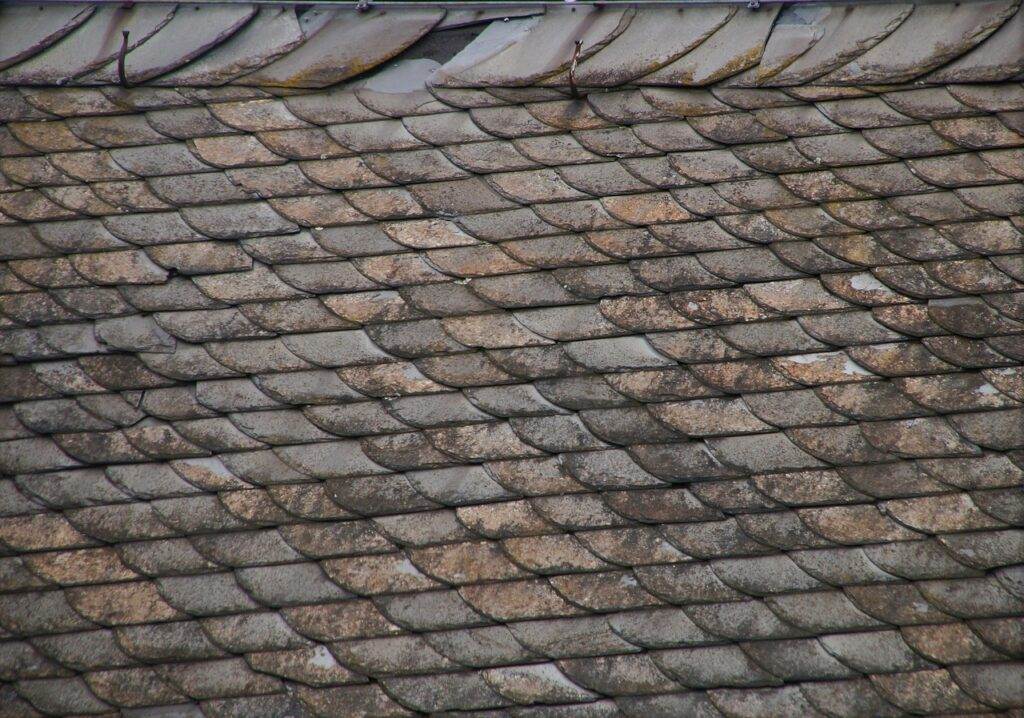
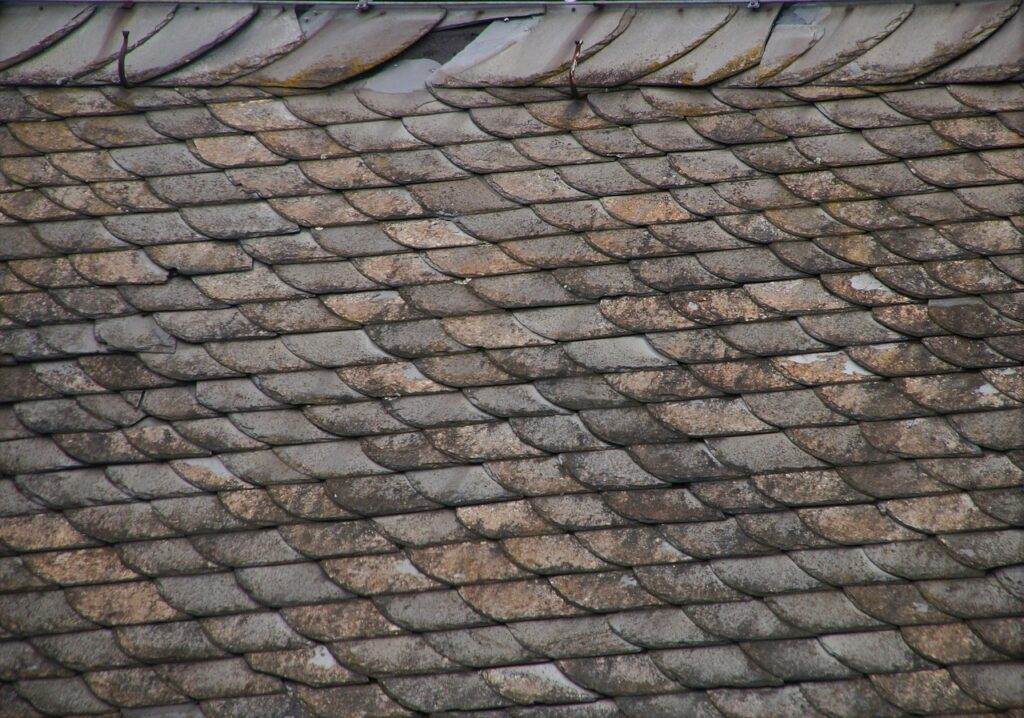
3. Clay Tiles

Top 5 Roof Covering Options for Fixing a Leaking Roof

This image is property of pixabay.com.

Types of Clay Tiles

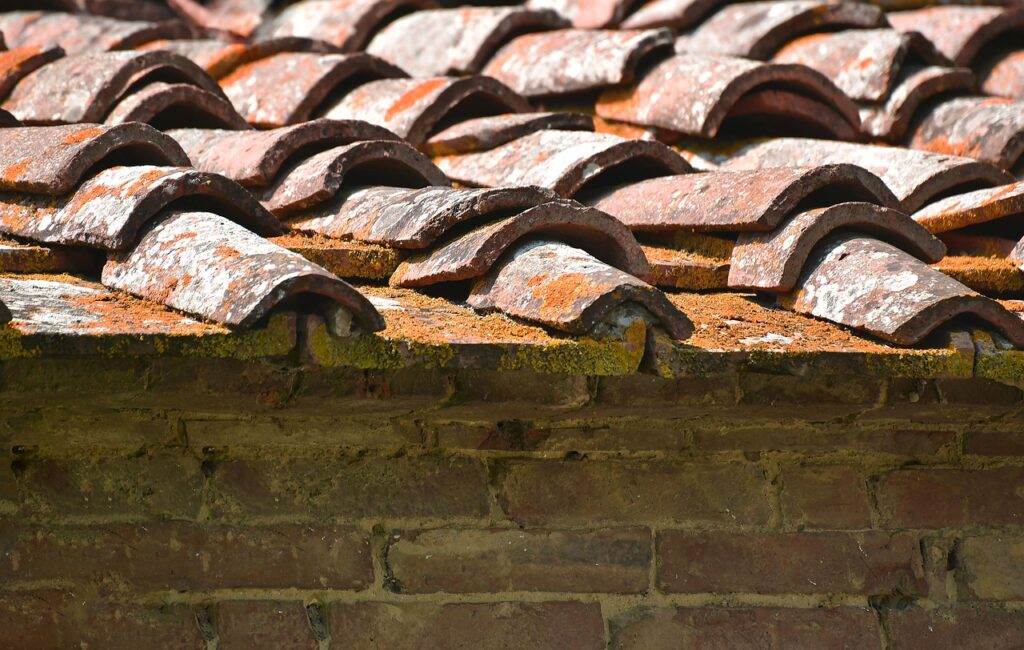
Clay tiles are an ancient roofing material that continues to be popular today for their unique appearance and durability. There are several types of clay tiles available, including traditional barrel tiles, flat tiles, and interlocking tiles. Barrel tiles have a curved shape that resembles half a cylinder, while flat tiles have a flat, rectangular shape. Interlocking tiles are designed to fit together, providing a secure and watertight seal. Clay tiles are available in various colors and finishes, allowing for customization to match any architectural style.

Installation Process

The installation process for clay tiles involves several steps to ensure a proper fit and lasting performance. First, the roof deck is prepared by installing an underlayment and flashing to prevent leaks. Next, the clay tiles are placed on the roof and secured with nails or clips, with overlapping seams to create a barrier against water intrusion. Ridges and edges of the roof are finished with special ridge tiles and hip tiles to provide a decorative and watertight seal. Finally, the roof is inspected to ensure proper installation and functionality.

Pros of Clay Tiles

Clay tiles offer several advantages that make them a popular choice for homeowners. One of the main pros is their durability, as clay tiles are resistant to fire, rot, and insect damage. They are also known for their longevity, with an expected lifespan of 50 to 100 years or more. Additionally, clay tiles provide excellent insulation, keeping homes cooler in hot climates and reducing energy costs. They also offer a timeless and aesthetically pleasing look, adding charm and value to any home.

Cons of Clay Tiles

Despite their many benefits, clay tiles do have a few drawbacks to consider. One of the main cons is their weight, as clay tiles are heavier compared to other roofing materials. This can require additional support and structural considerations during installation. Another disadvantage is the cost, as clay tiles tend to be more expensive than some other roofing options. Additionally, clay tiles can be fragile and prone to cracking or breaking if stepped on or impacted by heavy objects, which may require repairs or replacements.

4. Rubber Roofing

Types of Rubber Roofing

Rubber roofing, also known as EPDM (Ethylene Propylene Diene Monomer) roofing, is a popular choice for flat or low-slope roofs. There are two main types of rubber roofing available: rolls and shingles. Rubber rolls are large sheets of rubber that are rolled out and secured to the roof using adhesive or mechanical fasteners. Rubber shingles, on the other hand, are smaller individual pieces that are installed in a similar manner to traditional shingles. Rubber roofing is known for its durability and flexibility, making it resistant to weathering and cracking.

Installation Process

The installation process for rubber roofing involves several steps to ensure a proper and watertight seal. First, the roof deck is prepared by cleaning and repairing any existing damage. Next, an underlayment is installed to provide additional protection against leaks. Then, the rubber roofing material is laid out and cut to fit the roof, leaving enough overlap for proper sealing. The rubber is then adhered to the roof using adhesive or attached using mechanical fasteners. Flashing is installed along the edges and seams to provide added waterproofing.

Pros of Rubber Roofing

Rubber roofing offers several advantages that make it a popular choice among homeowners with flat or low-slope roofs. One of the main pros is its durability, as rubber roofs can last up to 50 years or more with proper maintenance. They are also resistant to UV rays, extreme temperatures, and high winds, providing long-term protection for your home. Additionally, rubber roofs are low-maintenance, requiring minimal attention and repairs. Rubber roofing also offers excellent waterproofing capabilities, preventing leaks and water damage.

Cons of Rubber Roofing

While rubber roofing has many benefits, there are a few drawbacks to consider. One of the main cons is the cost, as rubber roofs tend to be more expensive compared to some other roofing materials. However, the long lifespan and durability of rubber roofing can offset the initial investment over time. Another disadvantage is the potential for punctures or tears from sharp objects or heavy foot traffic, although repairs can be made with patch kits or professional assistance. Additionally, rubber roofing may not be suitable for all architectural styles, as its appearance may not blend well with certain designs.

5. Slate Roofing
Top 5 Roof Covering Options for Fixing a Leaking Roof

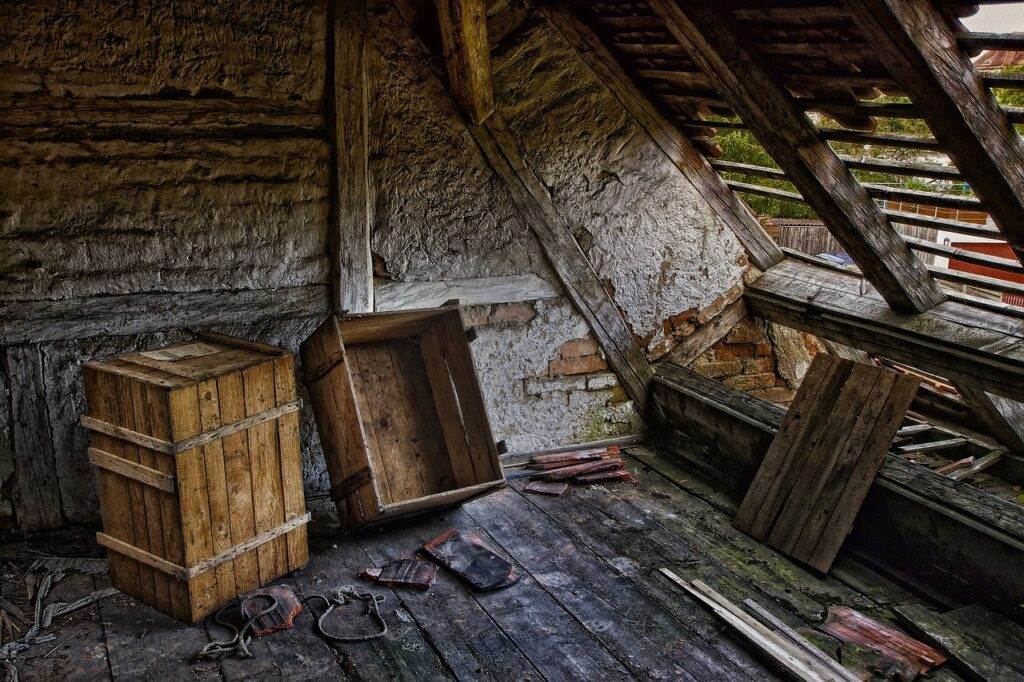
This image is property of pixabay.com.

Types of Slate Roofing

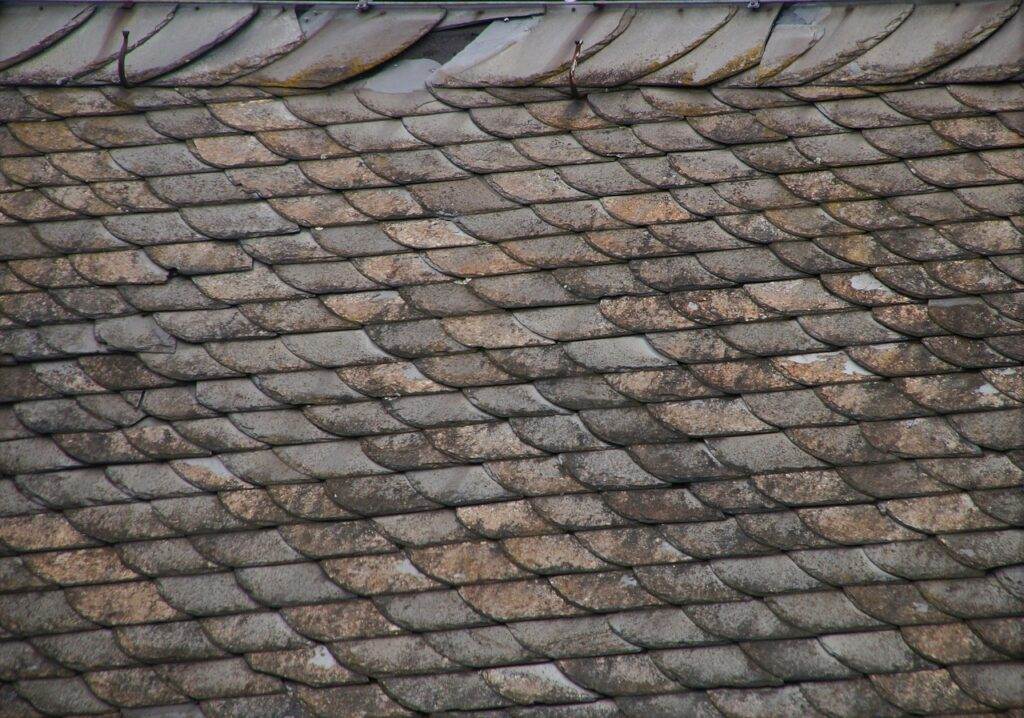
Slate roofing is a premium roofing option known for its natural beauty and long lifespan. It is available in various forms, including natural slate and synthetic slate. Natural slate is made from real stone and offers a unique and luxurious appearance. Synthetic slate, on the other hand, is made from a combination of recycled materials and provides a more affordable alternative to natural slate. Both types of slate roofing offer excellent durability and weather resistance.

Installation Process

The installation process for slate roofing requires skilled professionals due to the weight and fragility of the material. First, the roof deck is reinforced to accommodate the weight of the slate tiles. Next, an underlayment is installed to provide additional protection against leaks. Then, the slate tiles are carefully laid out and secured to the roof using nails or hooks. Special tools and techniques are utilized to shape and customize the tiles to fit the roof’s contours. Finally, the roof is inspected to ensure proper installation and functionality.

Pros of Slate Roofing

Slate roofing offers numerous advantages that make it a highly desirable option for homeowners seeking a premium roofing material. One of the biggest pros is its unparalleled lifespan, as slate roofs can last for over 100 years with proper maintenance. They are also extremely durable and resistant to fire, rot, and insect damage. Additionally, slate roofs offer a timeless and sophisticated look, adding value and curb appeal to any home. Slate is a natural material, making it an eco-friendly choice for environmentally conscious homeowners.

Cons of Slate Roofing

Despite its many benefits, slate roofing does come with a few drawbacks to consider. One of the main cons is the cost, as slate roofs tend to be one of the most expensive options available. The installation process is also more complex and labor-intensive compared to other roofing materials, which can result in higher installation costs. Additionally, slate tiles are heavy and fragile, requiring careful handling during installation and maintenance. Due to the specialized skills and expertise necessary for slate roofing, repairs or replacements may be more expensive and time-consuming.

6. Wood Shingles

Types of Wood Shingles

Wood shingles, also known as cedar shakes, are a classic and natural roofing option that offers a rustic and timeless appeal. They are usually made from cedar or other types of wood, such as pine or redwood. Wood shingles are available in various styles, including hand-split and machine-cut shingles. Hand-split shingles are created by hand using traditional methods, resulting in a more irregular and rustic appearance. Machine-cut shingles are produced using modern machinery, providing a more uniform and refined look.

Installation Process

The installation process for wood shingles involves several steps to ensure proper fit and longevity. First, the roof deck is prepared by installing an underlayment and providing proper ventilation to prevent moisture buildup. Next, the wood shingles are nailed or stapled to the roof, starting at the bottom and working upwards. The shingles are overlapped to create a watertight barrier and secured with appropriate fasteners. Special care is taken to ensure proper spacing and alignment to allow for natural expansion and contraction of the wood. Finally, the roof is inspected to ensure a neat and secure installation.

Pros of Wood Shingles

Wood shingles offer several advantages that make them a popular choice for homeowners seeking a natural and rustic look. One of the main pros is their visual appeal, as wood shingles provide a warm and inviting aesthetic that complements a variety of architectural styles. Additionally, wood shingles are known for their excellent insulation properties, helping to regulate temperature and reduce energy costs. They are also relatively easy to repair, as damaged shingles can be replaced individually. Wood shingles are also a renewable and sustainable option, making them an eco-friendly choice for environmentally conscious homeowners.

Cons of Wood Shingles

While wood shingles have many benefits, there are a few drawbacks to consider. One of the main cons is their susceptibility to moisture damage and rot if not properly maintained and treated. Regular inspections and treatments are necessary to prevent mold, mildew, and decay. Additionally, wood shingles require more frequent maintenance compared to other roofing materials, including cleaning, sealing, and periodic reapplication of protective coatings. Wood shingles are also more prone to fire damage compared to some other roofing options, although treated and fire-resistant shingles are available.

7. Synthetic Roofing Materials
Top 5 Roof Covering Options for Fixing a Leaking Roof

This image is property of pixabay.com.

Types of Synthetic Roofing Materials

Synthetic roofing materials have become increasingly popular in recent years due to their versatility and durability. Synthetic materials, such as asphalt composite, rubber, or plastic, are designed to mimic the appearance of traditional roofing materials while providing enhanced performance. Synthetic roofing materials can resemble various types of roofing, including slate, wood, or even metal. They offer a wide range of design options, making it possible to achieve a desired aesthetic without the drawbacks associated with natural materials.

Installation Process

The installation process for synthetic roofing materials varies depending on the specific type chosen. In general, the process involves preparing the roof deck, installing appropriate underlayment, and securing the synthetic tiles or shingles to the roof using nails or adhesive. Flashing is installed along the edges and valleys to provide additional waterproofing. The specific installation steps may vary depending on the manufacturer’s instructions and the type of synthetic roofing material being installed.

Pros of Synthetic Roofing Materials

Synthetic roofing materials offer several advantages that make them a popular choice for homeowners. One of the main pros is their durability and longevity, as many synthetic materials are designed to resist cracking, fading, and other types of damage. They also tend to be lightweight, which can reduce the stress on the roof structure. Additionally, synthetic roofing materials are often more affordable compared to natural materials, making them a budget-friendly option. They also require minimal maintenance and are resistant to mold, rot, and insect damage.

Cons of Synthetic Roofing Materials

While synthetic roofing materials have numerous benefits, there are some cons to consider. One of the main drawbacks is their appearance, as some synthetic materials may not be able to fully replicate the natural look of traditional roofing materials. This can be a concern for homeowners seeking an authentic or traditional aesthetic. Additionally, the quality and durability of synthetic materials can vary depending on the manufacturer, so it’s important to choose a reputable brand. Some synthetic materials may also be susceptible to damage from severe weather conditions, such as hail or high winds.

8. Green Roofing

Types of Green Roofing

Green roofing, also known as living roofs or eco-roofs, is an environmentally friendly roofing option that incorporates vegetation and plant life. There are two main types of green roofing: intensive and extensive. Intensive green roofing involves a thicker layer of soil and supports a wider variety of plants, including trees and shrubs. This type of green roof requires more structural support and maintenance. Extensive green roofing, on the other hand, consists of a thinner layer of soil and supports a more limited selection of plants, such as grasses, mosses, and sedums. Extensive green roofs are typically lighter and require less maintenance.

Installation Process

The installation process for green roofing involves several steps to ensure proper soil and vegetation support. First, the roof structure is assessed to determine its weight-bearing capacity and any necessary reinforcements. Next, a waterproof membrane is installed to prevent water penetration and protect the roof structure. Then, a layer of drainage material is added to promote proper water runoff and reduce the risk of leaks. A filter fabric is then placed over the drainage layer to prevent soil from clogging the drainage system. Finally, a specialized soil mix is added, followed by the selected vegetation, which can be installed as pre-grown mats or as individual plants.

Pros of Green Roofing

Green roofing offers numerous advantages that make it an attractive option for homeowners seeking an eco-friendly and sustainable roofing solution. One of the main pros is its environmental benefits, as green roofs improve air quality, reduce urban heat island effect, and promote biodiversity. They also provide natural insulation, reducing energy consumption and lowering heating and cooling costs. Additionally, green roofs can extend the lifespan of the roof, as the vegetation protects the membrane from UV rays and extreme temperatures. They also add aesthetic value, creating a green oasis in urban environments and enhancing the overall look of the property.

Cons of Green Roofing

While green roofing has many benefits, there are a few cons to consider. One of the main cons is the initial cost, as green roofs tend to be more expensive compared to traditional roofing options. The installation process is also more complex and requires specialized knowledge and expertise. Additionally, green roofs require regular maintenance, including watering, fertilizing, pruning, and weed control. The weight of the green roof also needs to be considered, as it may require additional structural support. Proper planning and professional assistance are crucial to ensure the success and longevity of a green roof.

9. Built-Up Roofing

Types of Built-Up Roofing

Built-up roofing, commonly referred to as BUR, is a traditional and time-tested roofing option that consists of multiple layers of bitumen and reinforcing materials. There are two main types of built-up roofing: hot-applied and cold-applied. Hot-applied built-up roofing involves melting the bitumen with a flame or hot asphalt kettle, while cold-applied built-up roofing uses adhesive or cold asphalt for installation. Both types offer excellent waterproofing properties and can be customized to suit the specific needs and requirements of the roof.

Installation Process

The installation process for built-up roofing requires professional expertise and several steps to create a durable and watertight roof. First, the roof deck is prepared using an underlayment to provide an additional layer of protection. Next, multiple layers of bitumen and reinforcing materials, such as fiberglass or organic felts, are applied using hot or cold methods, depending on the type of built-up roofing being installed. The layers are built up to create a thick and impermeable surface that can withstand the elements. Finally, the roof is finished with a protective surface layer, such as gravel or a reflective coating, to enhance durability and longevity.

Pros of Built-Up Roofing

Built-up roofing offers several advantages that make it a popular choice for commercial and industrial buildings. One of the main pros is its durability and longevity, as built-up roofs can last up to 30 years or more with proper maintenance. They are also resistant to fire, wind, and UV rays, providing superior protection against the elements. Additionally, built-up roofing is versatile and adaptable, allowing for customization to suit various roof shapes and designs. They also offer excellent waterproofing capabilities, preventing leaks and water damage.

Cons of Built-Up Roofing

Despite its many benefits, built-up roofing has a few cons to consider. One of the main cons is the installation process, which can be time-consuming and labor-intensive. It requires skilled professionals and specialized equipment to ensure proper layering and adhesion. Additionally, built-up roofing tends to be heavier compared to some other roofing options, which may require additional structural support. Maintenance and repairs can also be more challenging due to the overlapping layers of the roof system. It’s essential to regularly inspect and maintain built-up roofs to prevent problems such as blistering, cracking, or moisture buildup.

10. Single-Ply Membrane Roofing

Types of Single-Ply Membrane Roofing

Single-ply membrane roofing is a flexible and lightweight roofing option that consists of a single layer of synthetic material. There are three main types of single-ply membrane roofing: thermoset, thermoplastic, and modified bitumen. Thermoset membranes, such as EPDM (Ethylene Propylene Diene Monomer), are made from rubber and offer excellent weather resistance and durability. Thermoplastic membranes, such as PVC (Polyvinyl Chloride) and TPO (Thermoplastic Olefin), are heat-welded and provide exceptional strength and reflectivity. Modified bitumen membranes are made from asphalt and reinforced with fiberglass or polyester for added strength and flexibility.

Installation Process

The installation process for single-ply membrane roofing varies depending on the specific type of membrane being installed. In general, the process involves preparing the roof deck, installing appropriate insulation or underlayment, and adhering or mechanically attaching the membrane to the roof. The seams and edges of the membrane are sealed using heat or adhesive to create a watertight seal. Flashing is installed along the edges and penetrations to provide additional waterproofing. The specific installation methods may vary depending on the manufacturer’s instructions and the type of single-ply membrane being used.

Pros of Single-Ply Membrane Roofing

Single-ply membrane roofing offers several advantages that make it a popular choice for both residential and commercial applications. One of the main pros is its versatility, as single-ply membranes can be installed on a variety of roof designs and shapes. They are also lightweight, which reduces the load on the roof structure and can lead to cost savings. Additionally, single-ply membranes offer excellent waterproofing capabilities, preventing leaks and water damage. They are also resistant to UV rays, chemicals, and pollutants, providing long-term durability and performance.

Cons of Single-Ply Membrane Roofing

While single-ply membrane roofing has many benefits, there are a few cons to consider. One of the main cons is the cost, as single-ply membranes can be more expensive compared to certain roofing options. However, their long lifespan and low maintenance requirements can offset the initial investment. Another potential drawback is the sensitivity to punctures or tears, which can occur from sharp objects or heavy foot traffic. It’s important to exercise caution and avoid activities that could damage the membrane. Additionally, some types of single-ply membranes may be susceptible to shrinkage over time, which can cause wrinkles or stress on the roof system. Regular inspections and maintenance are necessary to address any potential issues.

In conclusion, there are various roof covering options available for fixing a leaking roof. Each option has its own set of advantages and disadvantages. Asphalt shingles are a cost-effective choice with a wide range of design options, but they have a shorter lifespan and can be susceptible to severe weather damage. Metal roofing offers durability and energy efficiency, although it can be more expensive and potentially noisy during storms. Clay tiles provide a timeless and aesthetically pleasing look, but they are heavy and require careful handling. Rubber roofing offers durability and easy installation, but it can be prone to punctures and tears. Slate roofing offers longevity and a luxurious appearance, although it is costly and requires specialized installation. Wood shingles provide a natural and rustic aesthetic, but they require regular maintenance and can be susceptible to moisture damage. Synthetic roofing materials offer versatility and durability, but their appearance may not fully replicate natural materials. Green roofing offers environmental benefits and insulation, but it can be expensive and require regular maintenance. Built-up roofing provides durability and waterproofing, but the installation process can be complex, and repairs may be challenging. Single-ply membrane roofing offers versatility and waterproofing, although it can be more expensive and sensitive to punctures. Careful consideration of each option’s pros and cons will help homeowners make an informed decision in selecting the most suitable roof covering for their needs.

Source: https://roofingrepairspecialists.com/top-5-roof-covering-options-for-fixing-a-leaking-roof/

How long does Flex Seal last on a roof?

Flex Seal is a revolutionary solution for homeowners seeking an effective, long-lasting fix for their roof. The burning question on everyone’s mind is just how long this miracle product can truly withstand the test of time. In this article, we will explore the durability and longevity of Flex Seal when applied to a roof, offering you valuable insight and expert advice to help you make an informed decision when it comes to protecting your home.

How long does Flex Seal last on a roof?

1. Overview of Flex Seal

Flex Seal is a popular and versatile product used for various sealing and repair purposes. It is particularly well-known for its effectiveness in sealing roofs, providing a protective barrier against leaks and water damage. Flex Seal is a liquid rubber sealant that effectively adheres to different roof materials, creating a durable and waterproof layer.

1.1. What is Flex Seal?

Flex Seal is a liquid rubber coating that can be applied to various surfaces, including roofs, to seal and protect against water damage. It comes in a spray or brush-on form and is designed to create a flexible and long-lasting seal that withstands weathering and UV exposure.

1.2. How does Flex Seal work?

Flex Seal works by bonding to the roof surface and forming a protective barrier against water intrusion. It effectively seals cracks, gaps, and leaks, preventing further damage caused by moisture. The liquid rubber penetrates the surface, forming a strong, flexible, and waterproof seal that expands and contracts with the roof’s movement.

2. Factors Affecting the Durability of Flex Seal on a Roof

Several factors can influence the durability and longevity of Flex Seal on a roof. It is important to consider these factors to ensure the most effective and long-lasting results.

2.1. Application Method

The application method used when applying Flex Seal to a roof can impact its durability. Proper surface preparation and even application are essential for optimal results. Following the manufacturer’s instructions and applying multiple thin coats to the desired areas can enhance the longevity of Flex Seal.

2.2. Roof Material

The type of roof material plays a significant role in the durability of Flex Seal. Different materials have varying properties and reactions to environmental conditions. Some roof materials may require additional preparation or treatment to ensure effective adhesion of Flex Seal, whereas others may naturally provide a better bond.

2.3. Climate and Weather Conditions

Climate and weather conditions can affect the lifespan of Flex Seal on a roof. Extreme temperatures, excessive humidity, and prolonged exposure to harsh weather elements can impact the durability of the sealant. High heat and UV exposure may cause the sealant to degrade more rapidly, while freezing temperatures may affect its flexibility.

2.4. Maintenance and Repairs

Proper maintenance and prompt repairs are crucial for extending the lifespan of Flex Seal on a roof. Regular inspections, timely fixes, and proactive maintenance can help prevent further damage and ensure the longevity of the sealant. Neglecting necessary repairs or allowing debris to accumulate on the roof surface can shorten the lifespan of Flex Seal.

3. Expected Lifespan of Flex Seal on Different Roof Types

The expected lifespan of Flex Seal can vary depending on the type of roof material being treated. While Flex Seal provides a reliable protective seal, it is essential to consider the specific characteristics of each roof material.

3.1. Asphalt Shingle Roof

Flex Seal can provide an effective seal on asphalt shingle roofs. With proper application and regular maintenance, it can last approximately 5-10 years. However, the lifespan may be influenced by the quality of the shingles, climate conditions, and overall roof maintenance.

3.2. Metal Roof

Metal roofs are known for their durability, and when treated with Flex Seal, they can benefit from extended protection against leaks. The expected lifespan of Flex Seal on a metal roof can range from 10-15 years, assuming proper application and adequate maintenance.

3.3. Tile Roof

Tile roofs are commonly found in warmer climates and require reliable sealing to prevent water intrusion. When Flex Seal is properly applied to a tile roof, it can last around 7-12 years. However, the lifespan may vary depending on the quality of the tiles, climate conditions, and regular maintenance.

3.4. Rubber Roof

Rubber roofs, commonly used in commercial buildings, can benefit from the protective properties of Flex Seal. When applied correctly and maintained regularly, Flex Seal can last approximately 10-15 years on a rubber roof. However, factors such as UV exposure, weather conditions, and maintenance practices can impact its longevity.

4. Longevity of Flex Seal in Different Weather Conditions

Flex Seal’s durability can be influenced by the specific weather conditions it is exposed to. Understanding how it withstands different climates can help determine its expected lifespan.

4.1. Hot and Dry Climates

In hot and dry climates, the lifespan of Flex Seal may be somewhat reduced due to prolonged exposure to high temperatures and intense sunlight. It is crucial to inspect and maintain the seal regularly in these conditions to ensure its effectiveness and longevity. Applying additional coats or providing shade to the treated areas can help mitigate the potential impact of heat and UV exposure.

4.2. Humid and Wet Climates

Flex Seal is designed to resist water damage, making it suitable for humid and wet climates. However, in areas with high humidity or frequent heavy rainfall, the sealant may experience more wear and tear. Regular inspections and maintenance are essential to identify any signs of water damage or deterioration in these conditions. Applying additional coats or reinforcing the sealant can help enhance its durability.

4.3. Cold and Freezing Conditions

Flex Seal’s flexibility allows it to withstand some degree of cold and freezing conditions. However, prolonged exposure to extreme cold temperatures can reduce its effectiveness over time. Monitoring the roof’s condition, promptly repairing any damage, and providing insulation to minimize temperature fluctuations can help maximize Flex Seal’s longevity in cold climates.

5. Maintenance and Care Tips to Extend Flex Seal’s Lifespan

To ensure the longest possible lifespan for Flex Seal on a roof, it is important to implement proper maintenance and care practices. The following tips can help extend the durability of Flex Seal.

5.1. Regular Inspections

Regular inspections of the roof, including the areas treated with Flex Seal, are crucial for identifying any signs of wear or damage. Inspecting the sealant for cracks, peeling, or discoloration can help catch potential issues early on and prevent further damage.

5.2. Cleaning and Removing Debris

Keeping the roof clean and free from debris is essential for preventing damage to Flex Seal. Regularly removing leaves, branches, and other debris from the roof surface can help prevent water pooling and potential degradation of the sealant.

5.3. Prompt Repairs

If any damage or wear is detected during inspections, prompt repairs should be carried out to maintain the effectiveness of Flex Seal and prevent further issues. Identifying and addressing leaks or cracks early on can significantly extend the lifespan of the sealant.

5.4. Reinforcement and Additional Coatings

Depending on the specific roof and environmental conditions, reinforcing Flex Seal with additional coatings may be beneficial. This can enhance the sealant’s durability and provide additional protection against water damage. Consulting with a roofing professional to determine the most suitable reinforcing and maintenance products is recommended.

6. Signs of Wear and Tear on a Roof Treated with Flex Seal

Over time, a roof treated with Flex Seal may exhibit signs of wear and tear. Recognizing these signs can help determine when it is necessary to reapply the sealant.

6.1. Cracking and Peeling

If cracks or peeling occur in the Flex Seal coating, it is a clear indication that the sealant is experiencing wear and may no longer provide effective protection against water intrusion. Promptly addressing these issues through reapplication or repairs is essential to prevent further damage to the roof.

6.2. Water Leakage

Water leakage is a significant sign that Flex Seal’s effectiveness may have diminished. If water is penetrating the treated areas, it is crucial to investigate the cause and take appropriate action, such as reapplying the sealant or consulting a roofing professional for further assessment.

6.3. Color Fading

Flex Seal may experience color fading over time due to UV exposure or weathering. While color fading alone does not necessarily indicate a loss of effectiveness, it is often accompanied by other signs of wear and may warrant reapplication to ensure optimal protection.

7. When to Reapply Flex Seal on a Roof

Knowing when to reapply Flex Seal is important for maintaining an effective seal on the roof. Several factors can help determine when reapplication is necessary.

7.1. Recommended Time Interval

Flex Seal does not have a specific recommended time interval for reapplication. However, it is generally advisable to inspect the roof and its sealant annually or after significant weather events to assess the condition of the coating. Regular inspections can help identify any signs of wear and prompt the need for reapplication.

7.2. Visual Inspection of the Coating

Performing a visual inspection of the Flex Seal coating is an effective way to determine if reapplication is required. If cracks, peeling, or other signs of wear are detected, it is advisable to reapply the sealant to ensure ongoing protection.

7.3. Feedback from Roofing Professionals

Seeking feedback and advice from roofing professionals can provide valuable insights into when it is time to reapply Flex Seal. These experts have the knowledge and experience to assess the condition of the sealant and recommend the best course of action for maintaining a watertight roof.

8. Pros and Cons of Using Flex Seal on a Roof

Considering the advantages and disadvantages of using Flex Seal on a roof can help make an informed decision about its suitability for a particular situation.

8.1. Advantages of Flex Seal

8.1.1. Easy Application

Flex Seal is relatively easy to apply, requiring minimal tools and expertise. Its spray or brush-on application allows for convenient and efficient sealing of roof surfaces.

8.1.2. Cost-effective Solution

Compared to traditional roof repair methods, Flex Seal offers a cost-effective solution. It eliminates the need for extensive repairs or replacement, potentially saving homeowners significant expenses.

8.1.3. Versatility on Various Roof Materials

Flex Seal is compatible with a variety of roof materials, including asphalt shingles, metal, tile, and rubber. Its versatility makes it a suitable option for addressing leaks and cracks on different types of roofs.

8.2. Disadvantages of Flex Seal

8.2.1. Temporary Solution

Flex Seal is considered a temporary solution for roof repairs. While it can provide several years of protection, it may eventually require reapplication to maintain its effectiveness.

8.2.2. Limited Lifespan

Flex Seal’s lifespan is affected by various factors, such as climate conditions and roof maintenance. It may not provide a permanent seal and may need to be reapplied periodically to ensure continued protection.

9. Other Alternatives to Flex Seal for Roof Repairs

While Flex Seal is a popular choice for roof repairs, there are other alternatives available that may suit different situations.

9.1. Roofing Cement and Patching Compounds

Roofing cement and patching compounds are commonly used for specific repairs, such as sealing small cracks or repairing localized damage. These products can provide durable repairs but may require more time and expertise for application compared to Flex Seal.

9.2. Roof Sealants and Coatings

Roof sealants and coatings designed specifically for roofing systems offer long-lasting protection against leaks and damage. These products often provide more extensive coverage and may have longer lifespans than Flex Seal. However, they may require professional application and can be more expensive.

9.3. Professional Roofing Repairs

For significant roof damage or complex repairs, it is advisable to consult with professional roofing contractors. These experts have the knowledge and experience to identify and address roof issues effectively, ensuring the best long-term solution for the specific situation.

10. Conclusion

Flex Seal is a versatile and effective solution for roof repairs and sealing. Its durability on a roof can vary depending on factors such as application method, roof material, climate conditions, and maintenance practices. Understanding the expected lifespan of Flex Seal on different roof types and in various weather conditions is essential for making informed decisions and implementing proper care and maintenance. Regular inspections, cleaning, prompt repairs, and reinforcement techniques can help extend the lifespan of Flex Seal and ensure a watertight roof. While Flex Seal offers several advantages, it is important to be aware of its temporary nature and consider other alternatives for more permanent roofing solutions. Consulting with roofing professionals can provide valuable guidance in determining the most suitable approach for roof repairs and maintenance.

Source: https://roofingrepairspecialists.com/how-long-does-flex-seal-last-on-a-roof/

Signs that indicate it’s time to replace your roof

If you find yourself pondering whether or not to replace your roof solely based on the absence of a leak, it may be time to take a closer look at its overall condition. While a leaking roof is undoubtedly a clear sign of a problem, it is not the only indicator that replacement is necessary. In this article, we will explore several other signs that you should pay attention to in order to determine if it’s time to replace your roof. By understanding these signs and being proactive, you can avoid potential damage, costly repairs, and ensure the safety and integrity of your home.

Roof Age

Roof lifespan

When considering whether it’s time to replace your roof, one of the most important factors to take into account is its age. Different roofing materials have varying lifespans, and it’s crucial to understand the typical lifespan of your specific roof type. For example, asphalt shingle roofs typically last between 20 and 30 years, while metal roofs can often surpass 50 years. By knowing the age of your roof, you can assess whether it has reached or exceeded its expected lifespan, making it more susceptible to issues and in need of a replacement.

Consider the age of your roof

Even if there are no visible signs of damage, it’s a good idea to consider replacing your roof if it is approaching or has exceeded its expected lifespan. This proactive approach helps to ensure that your home remains well-protected and minimizes the risk of unexpected damage. Additionally, an older roof may lack modern advancements in roofing materials and technology, which can enhance energy efficiency and overall durability. Therefore, evaluating the age of your roof is a crucial step in determining whether a replacement is necessary.

Missing Shingles or Tiles

Damaged or missing shingles

One of the most noticeable signs that it’s time to replace your roof is the presence of damaged or missing shingles. Shingles can become cracked, broken, or dislodged due to various factors such as harsh weather conditions, age, or improper installation. When shingles are damaged or missing, they expose the underlying layers of your roof, making it vulnerable to water leaks and other issues. Therefore, if you notice any visible signs of shingle damage, it’s recommended to have a professional assess the condition of your roof and consider a replacement if necessary.

Tile replacements

For roofs with tile materials, a similar principle applies. Tiles can crack, break, or become dislodged, creating openings in your roof’s protective barrier. This compromises the integrity of your roof and can lead to significant water damage if not addressed promptly. Therefore, if you have a tile roof and notice any missing or damaged tiles, it’s crucial to have them replaced and assess the overall condition of your roof.

Granules in gutters

Another indication that your roof may be reaching the end of its lifespan is the presence of granules in your gutters. Over time, asphalt shingles can shed their protective granules due to age or extensive weathering. If you observe an excessive amount of granules in your gutters, it suggests that your shingles are deteriorating and may no longer provide adequate protection. This can compromise the waterproofing of your roof and lead to leaks and other issues. Therefore, it’s important to regularly inspect your gutters and take note of any granule buildup as a sign that your roof may require replacement.

Curling or Buckling Shingles

Curling shingles

Curling shingles are another warning sign that your roof may need replacing. This condition occurs when the edges of the shingles start to curl upward or when the whole shingle begins to take on a concave shape, resembling a cup. Curling shingles are typically caused by a combination of factors including age, poor installation, or inadequate attic ventilation. When shingles curl, they can no longer provide an effective barrier against the elements, making your roof vulnerable to leaks, wind damage, and even the risk of shingle blow-offs during storms.

Buckling shingles

Similar to curling shingles, buckling shingles are a concerning sign that your roof may need immediate attention. Buckling occurs when the shingles lift or create waves, generally caused by the movement of the roof deck or the presence of excess moisture. This issue is particularly prevalent in areas with high humidity or inadequate ventilation. Just like curling shingles, buckling shingles compromise the protective function of your roof and can lead to severe water damage and other issues. It’s essential to address buckling shingles promptly to prevent further escalation of the problem.

Improper roof ventilation

Curling and buckling shingles can often be attributed to improper roof ventilation. Without adequate ventilation, heat and moisture can become trapped in your attic, leading to the deterioration of your roof from within. Proper ventilation allows for the release of heat and moisture, thereby preserving the integrity of your roof and reducing the likelihood of shingle damage. If you notice curling or buckling shingles, it may be a sign that your roof lacks sufficient ventilation and may require replacement to ensure proper airflow and prevent future issues.

Leaks and Water Damage

Interior leaks and staining

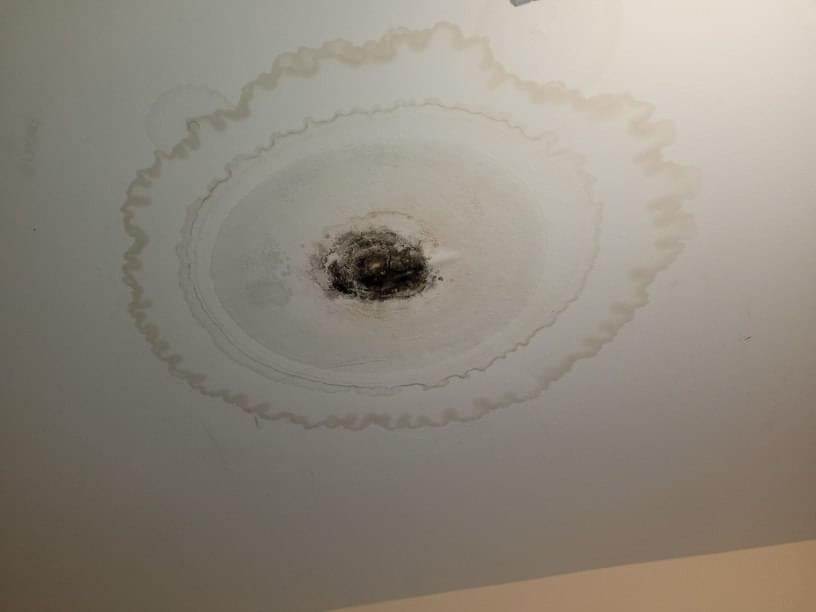
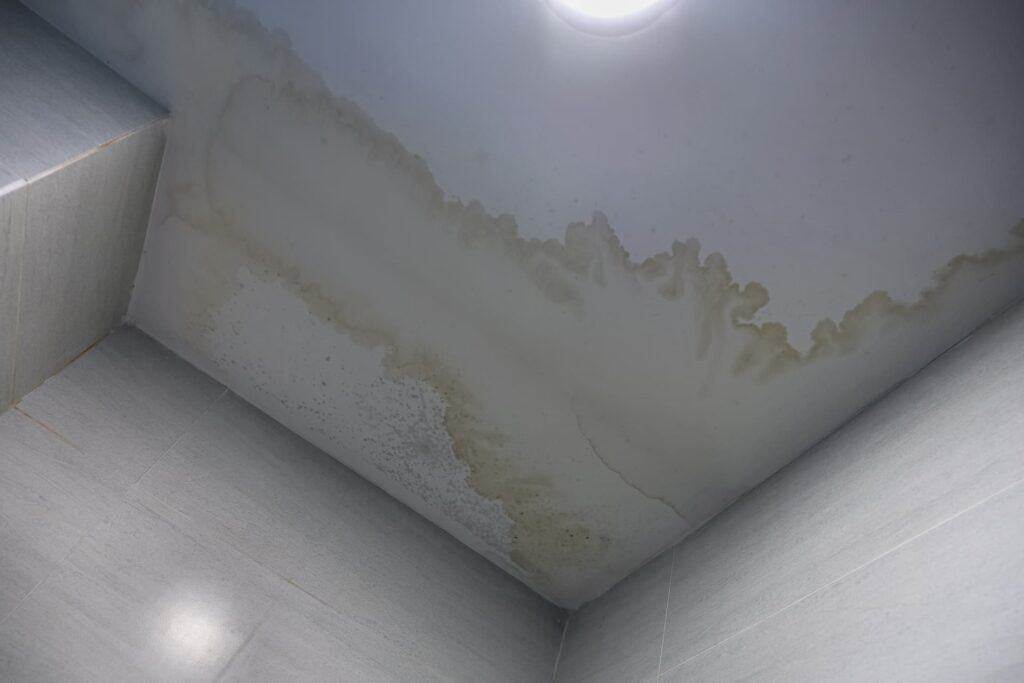
A surefire sign that your roof is in need of replacement is the presence of interior leaks and staining. Leaks can manifest as dripping water, wet spots on your ceiling, or even visible damage to your walls. Stains may appear as discolored patches or mold growth. These signs indicate that water is penetrating your roof and compromising the structural integrity of your home. Ignoring interior leaks can lead to extensive damage, including weakened ceilings, mold growth, and even electrical hazards. It is crucial to address these issues promptly by replacing your roof to prevent further damage and ensure a safe living environment.

Water damage in the attic

In addition to interior leaks, water damage in the attic is another indicator that it’s time to replace your roof. When your roof is compromised, water can seep into your attic, causing rotting, warping, or discoloration of the wooden structures. These signs of water damage not only weaken your roof’s structural integrity but can also lead to secondary issues such as mold growth and compromised insulation. To safeguard your attic and prevent further damage to your home, it is imperative to address any water damage promptly by replacing your roof.

Mold and mildew growth

The presence of mold or mildew in your attic or on interior surfaces is not only indicative of a moisture problem but also a potentially compromised roof. Mold and mildew thrive in damp environments, and a leaking or damaged roof can provide the ideal conditions for their growth. Beyond being unsightly, mold and mildew pose health risks and can deteriorate the materials in your home. To mitigate these issues and create a safe living environment, it is essential to replace your roof if mold or mildew is present.

Sagging or Uneven Roof

Sagging roof

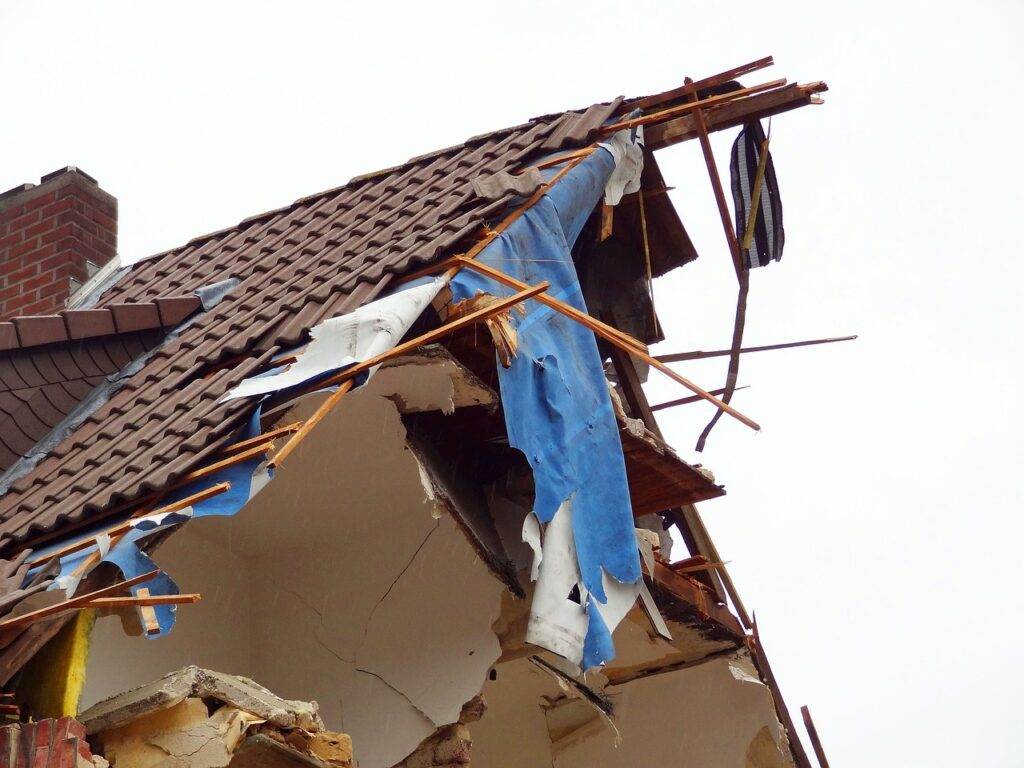
A visibly sagging roof is a clear indication that immediate action is needed. A sagging roof indicates structural deficiencies, potentially related to excessive weight, water damage, or poor construction. If you observe any sagging sections on your roof, it is imperative to consult with a professional and consider a roof replacement. Ignoring a sagging roof can result in a complete collapse, endangering the safety of your home and its occupants.

Uneven roofline

An uneven roofline can be a telltale sign that your roof may need replacing. An uneven roofline occurs when the edges or ridges of your roof appear crooked or uneven. This can be caused by a variety of factors, including age, improper installation, or structural issues. An uneven roofline not only compromises the visual aesthetics of your home but also suggests underlying problems that require attention. By addressing an uneven roofline through roof replacement, you can restore the structural integrity of your roof and ensure its longevity.

Energy Efficiency

Increasing energy bills

If you notice a significant increase in your energy bills, it may be a sign that your roof’s energy efficiency has been compromised. An aging or damaged roof can allow drafts and air leaks, resulting in the loss of conditioned air and the need for increased energy usage to maintain a comfortable temperature. By replacing your roof with energy-efficient materials, you can reduce energy consumption and save on utility costs in the long run, making it a worthwhile investment.

Poor insulation

Proper roof insulation is crucial for maintaining energy efficiency in your home. If your roof’s insulation is insufficient, it can lead to excessive heat transfer, making it harder to regulate the temperature indoors. This can result in increased energy usage for cooling and heating, leading to higher utility bills. By replacing your roof, you have the opportunity to improve insulation and create a more energy-efficient living space. Better insulation not only reduces energy consumption but also enhances comfort and can provide potential savings over time.

Sunlight in the Attic

Sunlight penetration

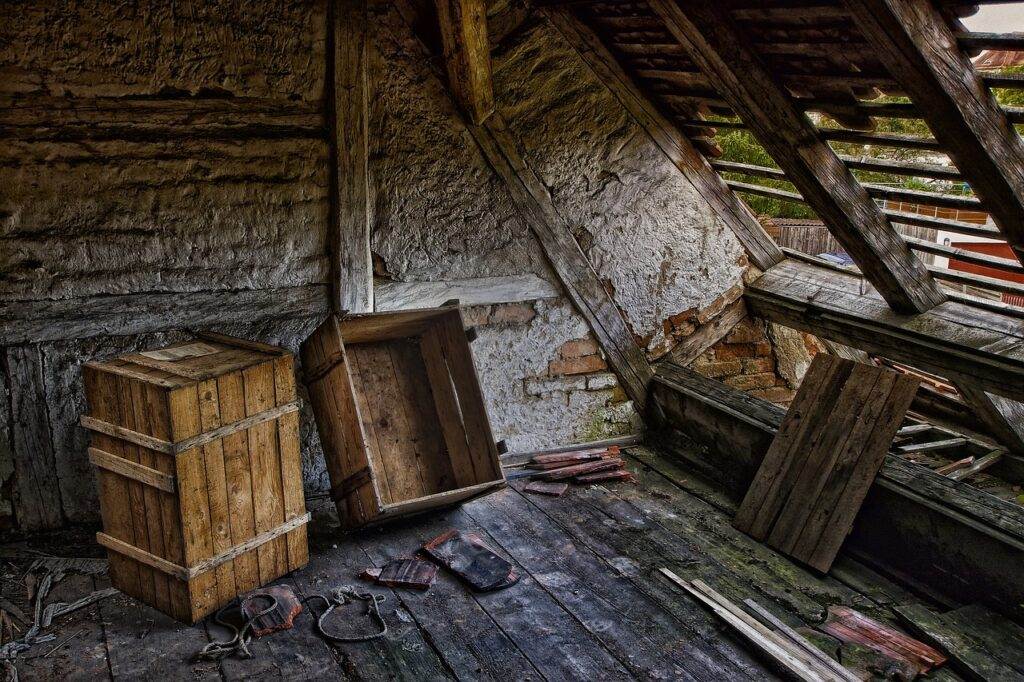
When sunlight is visible through your roof in your attic, it indicates that your roof is no longer providing an adequate barrier against the elements. Sunlight penetration can occur due to various reasons, such as missing shingles, damaged flashing, or deteriorated roofing materials. This issue not only compromises the structural integrity of your roof but also allows for the infiltration of water, pests, and debris. When sunlight is entering your attic, it is a clear indication that you should consider replacing your roof to ensure proper protection and avoid further damage.

Holes or gaps in the roof

Similar to sunlight penetration, the presence of holes or gaps in your roof is a significant sign that a roof replacement is necessary. Holes and gaps can occur due to various reasons, such as weather damage, aging materials, or the deterioration of sealants. These openings allow water, pests, and debris to enter your home, leading to extensive damage if left unaddressed. To maintain a secure and protected living environment, it is crucial to have a professional assess your roof and consider replacement if holes or gaps are present.

Moss and Algae Growth

Moss and algae problems

While the presence of moss or algae on your roof may not immediately necessitate a replacement, it is an important sign to monitor. Moss and algae growth indicate excessive moisture on your roof, which can lead to the deterioration of roofing materials and compromise their performance. Additionally, moss and algae can accelerate the decay of your roof by trapping moisture against the surface, potentially causing rot and creating an environment for other organisms to thrive. It’s important to address moss and algae growth promptly to prevent further damage and consider a roof replacement if the issue persists or becomes severe.

Potential roof damage

Beyond the aesthetic concerns associated with moss and algae growth, it’s essential to recognize their potential to cause roof damage. Moss, especially when it becomes dense, can lift and separate shingles, allowing moisture to seep beneath. This moisture can lead to rotting and decay of the underlying roof structures, compromising the overall integrity of your roof. Algae, on the other hand, can feed on the limestone in shingles, causing granular loss and surface deterioration. Therefore, paying attention to moss and algae growth and taking appropriate measures, including roof replacement if necessary, can help preserve the longevity and performance of your roof.

Cracked or Splitting Shingles

Cracked shingles

Cracked shingles are a clear indication that your roof is nearing or has reached the end of its lifespan. Cracks in shingles can occur due to various reasons, such as age, thermal expansion and contraction, weathering, or impact damage. Regardless of the cause, cracked shingles compromise the integrity of your roof, allowing water to infiltrate and potentially cause extensive damage. If your roof has a significant number of cracked shingles, it is highly recommended to consider a replacement to ensure the continued protection of your home.

Splitting shingles

Similar to cracked shingles, splitting shingles are a sign that your roof may require replacement. Splitting occurs when shingles begin to separate into two or more pieces along their length. This issue can result from a combination of factors such as age, weather exposure, or the degradation of the shingle material. Splitting shingles create openings for water infiltration, undermining the effectiveness of your roof’s waterproofing. To avoid further damage and potential leaks, it is vital to address splitting shingles promptly and replace your roof if needed.

Wind damage

In areas prone to strong winds, wind damage can contribute to cracked or splitting shingles. High winds can lift, curl, or tear shingles, making them more susceptible to cracking or splitting. It’s crucial to inspect your roof after severe weather events and look for any signs of wind damage. If you observe a significant number of damaged shingles, it’s advisable to consult with a professional and consider a roof replacement. By ensuring the structural integrity of your roof, you can effectively protect your home from the potential hazards associated with wind damage.

Neighborhood Roof Replacements

Observing signs in your neighborhood

One less obvious but valuable indicator that it may be time to replace your roof is to observe signs of roof replacements in your neighborhood. If many homes in your area are undergoing roof replacements, it could be an indication that the roofs in your neighborhood are reaching their expected lifespan or have experienced damage due to similar weather conditions. Observing patterns of roof replacements in your community can prompt you to evaluate the condition of your own roof and consider replacement if necessary.

Comparing roof lifespan

By comparing the lifespan of your roof with the average lifespan of roofs in your area, you can gain insight into whether it’s time for a replacement. Different regions may have unique weather patterns or environmental factors that can impact the longevity of roofs. For example, roofs in areas with frequent hailstorms or high humidity may require more frequent replacements due to accelerated wear and tear. By researching the average lifespan of roofs in your area, you can determine if your roof’s age aligns with the typical replacement timeline and make an informed decision about replacing your roof.

In conclusion, there are several signs that indicate it’s time to replace your roof, even if it’s not leaking. These signs include missing or damaged shingles, curling or buckling shingles, leaks and water damage, sagging or an uneven roof, decreasing energy efficiency, sunlight in the attic, moss and algae growth, cracked or splitting shingles, and observing roof replacements in your neighborhood. It’s important to be proactive in assessing the condition of your roof and considering a replacement to maintain the structural integrity of your home and ensure the safety and comfort of its occupants. Consulting with a professional roofing contractor can provide valuable insights and expertise in determining the most appropriate course of action for your specific situation.

Source: https://roofingrepairspecialists.com/signs-that-indicate-its-time-to-replace-your-roof/

The Most Common Place for a Roof to Leak Revealed

The article explores the topic of roof leaks and sheds light on the most prevalent area where these leaks tend to occur. By identifying the key culprit behind this common issue, homeowners and professionals can better understand the necessary precautions and solutions. Understanding where the most common place for a roof to leak is crucial in order to prevent potential water damage, safeguard the structural integrity of buildings, and ensure long-term durability.

The Most Common Place for a Roof to Leak Revealed

This image is property of pixabay.com.

1. Roof Surface

The roof surface is the first line of defense against the elements, and it is crucial to maintain its integrity to prevent leaks. There are several types of roofing materials commonly used, each with its own unique characteristics.

1.1 Shingles

Shingles are one of the most popular roofing materials due to their affordability and durability. However, over time, shingles can become worn or damaged, leading to potential leaks. Cracked or missing shingles can allow water to seep through and penetrate the underlying layers of the roof. Regular inspection and maintenance of shingles are essential to identify and address any potential issues before they escalate.

1.2 Tiles

Tile roofing is another commonly used option, known for its aesthetics and longevity. However, similar to shingles, tiles can crack or become dislodged due to extreme weather conditions or improper installation. These gaps can create vulnerable entry points for water, ultimately causing leaks. It is crucial to regularly inspect tile roofs to identify any damaged or missing tiles and replace them promptly.

1.3 Metal Roofing

Metal roofing has gained popularity in recent years due to its durability, energy efficiency, and lifespan. However, improper installation or inadequate maintenance can result in water infiltration. Metal roofs typically consist of interlocking panels or sheets, and any gaps or weak points in the installation can lead to leaks. Regular inspections and repairs are necessary to ensure the integrity of the metal roof and prevent water penetration.

1.4 Flat Roof

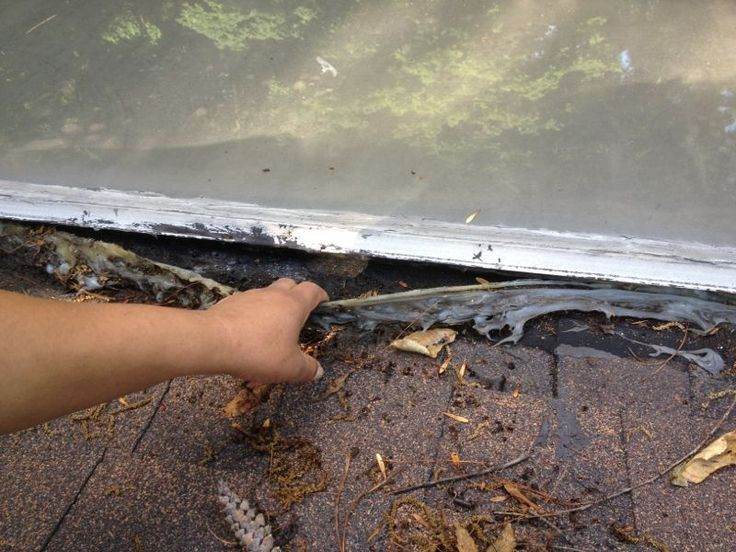
Flat roofs are commonly found on commercial buildings and some residential structures. Unlike sloped roofs, flat roofs have a minimal pitch, making it essential to have proper drainage systems in place. Poor drainage can result in standing water on the roof, which can eventually lead to leaks. Additionally, the lack of slope increases the risk of damage from debris or foot traffic, potentially causing punctures or tears in the roofing material. Regular maintenance, including clearing debris and inspecting for any signs of damage, is crucial for flat roof longevity.

2. Flashing

Flashing refers to the protective barriers installed on the roof surface to prevent water infiltration at vulnerable areas, such as chimneys, vents, skylights, valleys, and dormers. Common flashing materials include aluminum, copper, or galvanized steel. However, even with proper installation, flashing can deteriorate over time, leading to potential leaks.

2.1 Chimneys

Chimneys are a common source of roof leaks due to the complexity of their construction and the various flashing components involved. Cracked or missing chimney caps can allow water to enter the chimney structure and eventually find its way into the roof. Damaged or improperly installed flashing around the base of the chimney can also result in leaks. Regular inspection and maintenance, including chimney cap replacement and flashing repair, are necessary to prevent chimney-related roof leaks.

2.2 Vents and Pipes

Roof vents and pipes, such as plumbing vents and exhaust vents, require proper flashing to maintain a watertight seal. Over time, the flashing can deteriorate, leading to leaks. Additionally, improper installation or damage to the vent or pipe itself can also contribute to water infiltration. Regular inspection and repair of flashing and proper sealing around vents and pipes are essential to prevent leaks in these areas.

2.3 Skylights

Skylights are a popular feature in many homes, allowing for natural light and a connection to the outdoors. However, poor installation or inadequate sealing can result in water leaks around skylights. Improper flashing or inadequate weatherproofing can allow water to seep in during heavy rains or snowstorms. Regular inspection and maintenance, including resealing and repairing damaged flashing, are crucial to ensure skylights remain watertight.

2.4 Valleys

Valleys are the areas where two roof planes meet and form a V-shape. These areas are prone to water runoff and require proper flashing to redirect water away from the roof’s interior. Failure to install or maintain adequate flashing in valleys can result in water seeping beneath the roofing material and causing leaks. Regular inspection and repair of valley flashing are necessary to prevent water infiltration and subsequent damage.

2.5 Dormers

Dormers are architectural elements that protrude from the roof and often feature windows. Similar to other roof protrusions, flashing around dormers is crucial to prevent water leaks. Damaged or improperly installed flashing can allow water to enter the dormer structure and eventually find its way into the roof beneath. Regular maintenance, including inspection and repair of dormer flashing, is essential to prevent leaks in this area.

3. Gutters

Gutters play a crucial role in channeling rainwater away from the roof and preventing water damage. However, if not properly maintained, gutters can become a significant source of roof leaks.

3.1 Clogged Gutters

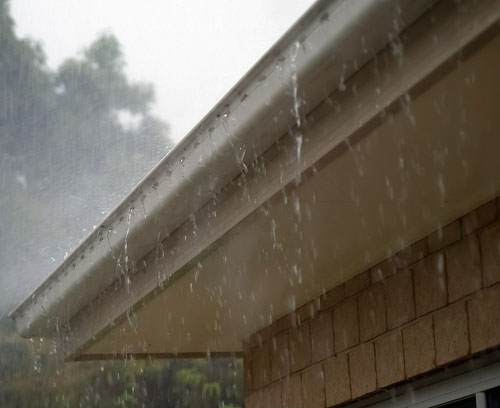
One of the most common causes of gutter-related roof leaks is clogging. When gutters become filled with leaves, debris, or other materials, water cannot flow freely, leading to pooling or overflowing. The excess water can then seep under the roofing material, causing leaks and potential water damage. Regular gutter cleaning and maintenance are necessary to prevent clogs and ensure the proper flow of water away from the roof.

3.2 Misaligned Gutters

Gutters must be properly aligned and securely attached to the roofline to function effectively. Over time, gutters can become misaligned due to factors such as improper installation, excessive weight from debris, or shifting of the roof. Misaligned gutters can result in water overflowing onto the roof, leading to leaks. Regular inspection and adjustment of gutter alignment are crucial to prevent this issue and maintain optimal gutter performance.

3.3 Improperly Installed Gutters

Improper installation of gutters can also contribute to roof leaks. If gutters are not securely fastened to the roofline or if they lack sufficient slope for proper water flow, water can pool or escape in areas where it should not. This can lead to water infiltration beneath the roofing material and subsequent leaks. It is essential to ensure that gutters are correctly installed and sloped to prevent water from collecting and causing damage.

4. Ventilation Systems

Proper ventilation is crucial for maintaining the health of the roof and preventing leaks. Without adequate ventilation, excess moisture can build up in the attic, leading to various issues, including mold growth and roof damage.

4.1 Attic Ventilation

Proper attic ventilation allows for the exchange of air, reducing the buildup of heat and moisture. Without ventilation, hot air can become trapped in the attic, leading to increased humidity levels. The excess moisture can penetrate the roofing material, resulting in leaks. Regular inspection and maintenance of attic ventilation systems, including roof vents and soffit vents, are necessary to ensure efficient airflow and prevent leaks caused by poor ventilation.

4.2 Ridge Vents

Ridge vents are installed along the ridge of the roof to allow hot air to escape from the attic. If these vents become blocked or damaged, they can impede proper ventilation, leading to excess heat and moisture buildup. The trapped moisture can then compromise the integrity of the roofing material, potentially causing leaks. Regular inspection and cleaning of ridge vents are crucial to maintain proper attic ventilation and prevent roof leaks.

4.3 Soffit Vents

Soffit vents are typically located under the eaves of the roof and provide intake airflow. If these vents become blocked or covered by insulation or debris, air circulation in the attic can be restricted. Inadequate intake airflow can result in excessive moisture buildup, leading to leaks and roof damage. Regular inspection and clearing of soffit vents are essential to ensure proper ventilation and prevent leaks caused by inadequate airflow.

The Most Common Place for a Roof to Leak Revealed

This image is property of pixabay.com.

5. Skylights

Skylights can add beauty and natural light to a home; however, improper installation or poor sealing can result in roof leaks.

5.1 Improper Installation

Improperly installed skylights can create gaps or weak points in the roofing structure, allowing water to seep through during rainfall. It is crucial to hire a professional with experience in skylight installation to ensure proper fitting and sealing. Regular inspection and maintenance of skylights are necessary to identify any issues that may contribute to leaks and address them promptly.

5.2 Poor Sealing

Sealing around skylights is essential to prevent water infiltration. Over time, sealing materials can deteriorate, resulting in gaps or cracks that allow water to penetrate the roof. Regular inspection and resealing of skylights are necessary to maintain a watertight seal and prevent leaks. Additionally, addressing any signs of condensation or moisture buildup around the skylight can help identify potential sealing issues and prevent further damage.

6. Chimneys

Chimneys are complex structures that require proper maintenance to prevent leaks and water damage.

6.1 Cracked or Missing Chimney Caps

Chimney caps serve as protective covers at the top of the chimney, preventing water, animals, and debris from entering. Cracked or missing chimney caps can allow water to seep into the chimney structure and potentially find its way into the roof. Regular inspection and replacement of damaged chimney caps are crucial to prevent chimney-related roof leaks.

6.2 Damaged Chimney Flashing

Chimneys require proper flashing to create a waterproof barrier between the chimney and the roof. Damaged or improperly installed flashing can result in water penetration and subsequent leaks. Regular inspection and repair of chimney flashing are necessary to maintain its integrity and prevent water infiltration.

6.3 Deteriorated Mortar or Bricks

Over time, the mortar and bricks that make up the chimney structure can deteriorate, creating gaps or cracks. These openings can allow water to enter the chimney, leading to leaks. Regular inspection and repair of the chimney structure, including repointing or replacing damaged mortar or bricks, are necessary to ensure its longevity and prevent water infiltration.

The Most Common Place for a Roof to Leak Revealed

This image is property of pixabay.com.

7. Condensation

Condensation can occur within the roofing system, leading to moisture buildup and potential leaks.

7.1 Improper Insulation

Poor insulation in the attic can result in temperature differentials between the inside and outside of the roof. This temperature differential can cause condensation to form on the underside of the roofing material. The accumulated moisture can lead to the deterioration of the roofing material and subsequent leaks. Proper insulation installation and regular inspection are essential to prevent condensation-related roof leaks.

7.2 Inadequate Ventilation

Inadequate ventilation in the attic can trap moisture, leading to condensation buildup. Excess moisture can penetrate the roofing material and cause leaks. Proper attic ventilation, including well-functioning roof vents and soffit vents, is necessary to prevent condensation-related roof leaks. Regular inspection and maintenance of the ventilation system are crucial to ensure optimal airflow and prevent moisture buildup.

8. Satellites and Antennas

Satellite dishes and antennas attached to the roof can potentially create entry points for water if not properly installed or maintained.

8.1 Mounting Holes

When installing satellite dishes or antennas, holes are typically drilled into the roof to secure the mounting brackets. If these holes are not properly sealed, water can seep in, potentially causing leaks. Professional installation and proper sealing of mounting holes are necessary to prevent water infiltration and subsequent damage.

8.2 Loose Connections

Over time, the connections between satellite dishes, antennas, and the roof surface can become loose or deteriorate. Loose connections can create small openings where water can enter, resulting in leaks. Regular inspection and maintenance, including checking and tightening connections, are essential to prevent roof leaks around satellite dishes and antennas.

9. Vent Pipes

Vent pipes, such as those connected to plumbing or ventilation systems, extend through the roof and require proper sealing to prevent water entry.

9.1 Leaky Pipe Boots

Pipe boots are typically used to seal the area where vent pipes pass through the roof. Over time, the rubber or plastic material of the pipe boots can degrade, resulting in gaps or cracks. These openings can allow water to seep into the roof structure, potentially causing leaks. Regular inspection and replacement of deteriorated pipe boots are necessary to prevent water infiltration and subsequent damage.

9.2 Damaged or Dislodged Vent Pipes

Vent pipes themselves can become damaged or dislodged due to factors such as extreme weather, aging, or improper installation. Damaged or dislodged vent pipes can compromise the integrity of the roof, allowing water to penetrate the underlying layers. Regular inspection and repair of vent pipes, including proper sealing and securing, are crucial to prevent leaks and maintain roof functionality.

10. Ice Dams

Ice dams are a common winter roof issue that can result in leaks if not properly addressed.

10.1 Inadequate Insulation in Attic

Inadequate insulation in the attic can lead to heat escaping from the living space below, causing the roof to warm up. This temperature differential can result in melting snow that then refreezes at the roof edges, forming ice dams. Ice dams can block proper water drainage, leading to water backing up beneath the roofing material and potentially causing leaks. Proper insulation installation and inspection are necessary to prevent ice dams and subsequent roof leaks.

10.2 Poor Ventilation in Attic

Inadequate ventilation in the attic can contribute to the formation of ice dams. Without proper airflow, warm air can become trapped in the attic, leading to increased roof temperature and snow melting. This melted snow can then refreeze at the roof edges, forming ice dams. Regular inspection and maintenance of attic ventilation systems, including roof vents and soffit vents, are crucial to ensure proper airflow and prevent ice dam-related roof leaks.

In conclusion, the most common place for a roof to leak can vary depending on various factors. However, by understanding and addressing potential issues in areas such as the roof surface, flashing, gutters, ventilation systems, skylights, chimneys, condensation, satellites and antennas, vent pipes, and ice dams, homeowners can take proactive measures to prevent leaks and maintain the integrity of their roofs. Regular inspection, maintenance, and prompt repairs are crucial for a leak-free roof and the protection of the home and its occupants.

Source: https://roofingrepairspecialists.com/the-most-common-place-for-a-roof-to-leak-revealed/

The Connection Between Roof Leaks and Mold

In the realm of home maintenance, roof leaks have long been considered a nuisance for homeowners. However, what many may not realize is the potential threat that roof leaks pose beyond mere water damage. This article examines the often overlooked connection between roof leaks and mold growth, shedding light on the dangers and risks associated with this silent intruder. Surprisingly, not all roof leaks automatically lead to mold, but understanding the correlation between the two can be crucial in preventing a potential health hazard within your home.

What is mold?

Definition of mold

Mold is a type of fungus that grows in damp and dark environments. It thrives on organic materials such as wood, fabric, and paper. Mold reproduces through spores, which can spread easily and quickly. When mold grows indoors, it can pose health risks and cause damage to the structure of the building.

Types of mold

There are various types of mold that can be found in homes, including black mold, green mold, white mold, and gray mold. While some molds are harmless, others can release toxic substances known as mycotoxins, which can have adverse effects on human health.

How are roof leaks caused?

Causes of roof leaks

Roof leaks are typically caused by a combination of factors such as aging materials, improper installation, and severe weather conditions. Over time, roof shingles or tiles may deteriorate, allowing water to seep through. Additionally, missing or damaged flashing, clogged gutters, and ice dams can also contribute to roof leaks.

Common signs of roof leaks

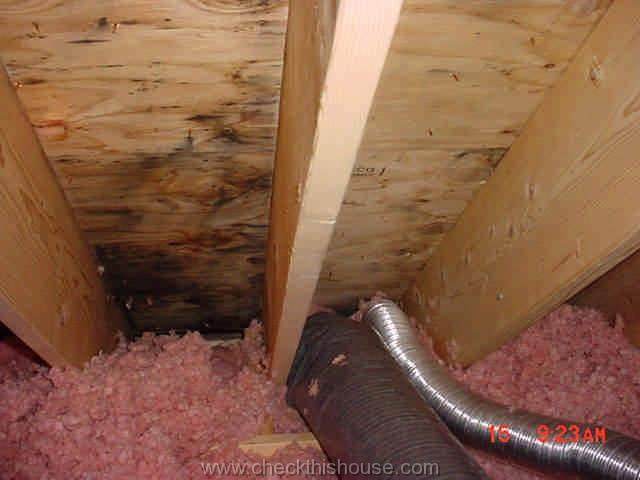
Identifying roof leaks early is crucial in preventing further damage. Common signs of roof leaks include water stains on ceilings and walls, peeling paint or wallpaper, dampness or discoloration in attic spaces, and the presence of mold or mildew. It is important to address these signs promptly to minimize the risk of mold growth.

How does mold form from roof leaks?

Moisture from roof leaks

When a roof leaks, water infiltrates the structure of the building, saturating the affected areas. This moisture creates an ideal breeding ground for mold growth. Mold spores, which are present in the indoor environment, can quickly colonize in the damp and humid conditions caused by roof leaks.

Ideal conditions for mold growth

Mold requires specific conditions to grow and thrive. Moisture, warmth, and a food source are the key components for mold to flourish. Roof leaks provide the necessary moisture, while the darkness and lack of ventilation in attics or enclosed spaces create a warm and ideal environment for mold to multiply.

Health risks associated with mold

Respiratory problems

Exposure to mold can lead to a variety of respiratory problems. These can range from mild symptoms such as coughing, wheezing, and throat irritation to more severe conditions like asthma attacks and respiratory infections. Individuals with existing respiratory conditions or weakened immune systems are particularly vulnerable to these health risks.

Allergic reactions

Many people are allergic to mold, and exposure to mold spores can trigger allergic reactions. Symptoms may include sneezing, runny nose, watery eyes, itching, and skin rashes. In individuals with severe allergies or asthma, exposure to mold can cause more severe reactions, leading to difficulty breathing and other complications.

Other health concerns

In addition to respiratory problems and allergic reactions, prolonged exposure to mold can have other detrimental effects on health. Some studies suggest a link between mold exposure and the development of certain respiratory conditions, sinus infections, headaches, fatigue, and even neurological symptoms. It is crucial to address mold growth promptly to mitigate these health risks.

How to identify mold in your home

Visual signs of mold

Visual signs of mold growth include black or green patches on walls, ceilings, or other surfaces. Mold can appear fuzzy, slimy, or powdery in texture. It may also cause discoloration or staining on materials. If you notice any visible signs of mold, it is important to investigate further to determine the extent of the problem.

Musty odor

Mold often produces a distinct musty odor. If you detect an unpleasant smell in your home, particularly in areas prone to moisture or water damage, it may indicate the presence of mold. The odor can be intensified when the air is humid or when mold is actively growing.

Hidden mold

Mold can also grow in hidden or hard-to-reach areas, such as behind walls, under carpets, or inside air ducts. Even if you don’t see visible signs of mold, the presence of water stains or a persistent musty smell in these areas may indicate hidden mold growth. Professional mold testing and inspection may be necessary to identify hidden mold.

Preventing mold from roof leaks

Regular roof inspections

To prevent mold growth from roof leaks, regular roof inspections are crucial. A professional roofing contractor can identify and address potential issues before they escalate. Inspections should be conducted at least once a year, but it is advisable to schedule them more frequently after severe storms or significant weather events.

Proper maintenance

Proper maintenance of your roof is essential to prevent leaks and minimize the risk of mold growth. This includes keeping gutters and downspouts clear of debris, trimming overhanging branches, and promptly replacing any damaged or missing shingles or tiles. Regular cleaning and maintenance of the roof surface can also help prevent the buildup of dirt and organic matter that can contribute to leaks.

Addressing leaks promptly

If you notice any signs of a roof leak, it is crucial to address the issue promptly to prevent mold growth. Identify the source of the leak and take immediate action to repair it. This may involve replacing damaged materials, sealing gaps or cracks, or even installing additional protective measures such as flashing or waterproof coatings.

Steps to take when mold is discovered

Professional mold remediation

When mold is discovered in your home, it is recommended to seek professional mold remediation services. Certified mold remediation companies have the expertise and equipment necessary to safely remove mold and restore a healthy indoor environment. Attempting to remove mold yourself can lead to further contamination and potential health risks.

Fixing the roof leaks

Once the mold has been properly remediated, it is essential to address the underlying roof leaks to prevent future mold growth. Hire a qualified roofing contractor to repair any damage and ensure that the roof is watertight. By eliminating the source of moisture, you can mitigate the risk of mold reoccurrence.

Preventing future mold growth

After mold removal and roof repair, it is important to implement preventive measures to minimize the chances of mold regrowth. This can include improving ventilation in the affected areas, using dehumidifiers or air purifiers, and ensuring that water is properly drained away from the foundation of the building. Regular inspections and maintenance will also help to identify and address any potential issues before they lead to mold growth.

Common misconceptions about mold and roof leaks

All roof leaks lead to mold

While roof leaks create ideal conditions for mold growth, it does not necessarily mean that every roof leak will result in mold. Promptly addressing roof leaks and drying affected areas within 24 to 48 hours can often prevent mold from developing. However, it is important to remain vigilant and take appropriate actions to prevent mold growth when leaks occur.

Only black mold is dangerous

Contrary to popular belief, not all molds that appear black are dangerous. While black mold, specifically Stachybotrys chartarum, can produce mycotoxins that are harmful to human health, other mold species can also cause health issues. It is important to treat all types of mold with caution and seek professional assistance for proper identification and remediation.

Dealing with insurance claims for roof leaks and mold

Documenting the damage

When filing an insurance claim for roof leaks and mold, thorough documentation of the damage is crucial. Take photos and videos of the affected areas, including any visible mold growth, water stains, and structural damage. Keep records of any repair or remediation expenses and maintain communication with your insurance company throughout the process.

Communicating with the insurance company

When dealing with insurance claims, effective communication with your insurance company is key. Notify your insurer promptly about the roof leaks and mold issue. Provide them with all necessary documentation, including photos, videos, and any professional assessments or reports. Be prepared to answer any questions they may have and follow their instructions for the claims process.

Navigating the claims process

Navigating the insurance claims process can be daunting, but it is important to understand your policy coverage and rights as a policyholder. Familiarize yourself with the terms and conditions of your insurance policy, including coverage for roof leaks and mold damage. If you encounter any difficulties or disputes during the claims process, consider seeking guidance from a professional insurance claims adjuster or an attorney specializing in insurance matters.

Conclusion

Roof leaks can not only cause significant damage to your home but also lead to the development of mold, which can pose health risks. It is essential to address roof leaks promptly, conduct regular inspections, and perform proper maintenance to prevent mold growth. If mold is discovered, seeking professional mold remediation services is crucial to ensure the safety of your home and your well-being. By understanding the connection between roof leaks and mold and taking appropriate preventive measures, you can protect your property and maintain a healthy living environment.

Source: https://roofingrepairspecialists.com/the-connection-between-roof-leaks-and-mold/

5 Steps to Fixing Missing Shingles on Your Roof

In the unfortunate event that a few shingles on your roof have been blown off, it is vital to address this issue promptly to ensure the long-term integrity of your roof. This article outlines a concise five-step process that you can follow to efficiently replace missing shingles, ultimately safeguarding your home from potential leaks and water damage. By carefully adhering to these steps, you can effectively resolve the problem and restore your roof’s functionality while preserving the aesthetic appeal of your property.

5 Steps to Fixing Missing Shingles on Your Roof

This image is property of pixabay.com.

Step 1: Assess the Damage

Before you begin repairing the missing shingles on your roof, it’s essential to thoroughly assess the damage. Start by inspecting the affected area to determine the extent of the problem. Look for any signs of loose or damaged shingles, such as curling, cracking, or missing pieces. Additionally, check for any indications of water damage, such as stains on the ceiling or walls inside your home. These signs can help you identify if the missing shingles have caused any leaks or water infiltration. Lastly, measure the size and scope of the missing shingles to get an accurate understanding of the repair work required.

Step 2: Gather the Necessary Materials

Once you’ve assessed the damage, gather all the necessary materials to properly repair the missing shingles. It’s crucial to have the right tools and supplies to ensure a successful repair. Some of the essential items you will need include safety equipment such as gloves, goggles, and a sturdy pair of shoes. You’ll also need replacement shingles that match the existing roof, roofing nails, and either a hammer or a nail gun for fastening the shingles. Additionally, a ladder or scaffolding will be necessary to safely access the damaged area. Finally, have some roofing adhesive or sealant on hand for added stability and protection.

5 Steps to Fixing Missing Shingles on Your Roof

This image is property of pixabay.com.

Step 3: Remove the Damaged Shingles

Before installing the new shingles, you need to remove the damaged ones. Begin by preparing the work area. Clear the surrounding debris and ensure a clean and safe space to work in. Using caution, carefully lift the edge of the shingle above the damaged one. This will expose any roofing nails or adhesive that are holding the damaged shingle in place. Proceed to remove the nails or adhesive, taking care not to damage the underlying roof deck in the process. Once the nails or adhesive are removed, gently lift and remove the damaged shingle. While doing this, take the opportunity to inspect the underlying roof deck for any further damage that may need attention.

Step 4: Install the New Shingles

Now that the damaged shingles have been removed, it’s time to install the new ones. Position the new shingle correctly by aligning it with the existing shingles. Make sure there is proper overlap to ensure sufficient protection from the elements. Secure the new shingle in place using roofing nails, ensuring they are driven in at the appropriate angle and depth. Additionally, apply roofing adhesive or sealant as necessary to provide extra security and prevent any water intrusion. Once the new shingle is in place, double-check its alignment and overlap with the existing shingles to ensure a seamless appearance. Lastly, check for a snug fit and proper ventilation to maintain the overall health of your roof.

5 Steps to Fixing Missing Shingles on Your Roof

This image is property of pixabay.com.

Step 5: Perform Post-Repair Checks

After installing the new shingles, it’s important to perform post-repair checks to ensure that everything is in order. Inspect the newly installed shingles to ensure they are securely fastened and in good condition. Verify that there is proper sealing and adhesion, as this is crucial to prevent water leakage. Check for any loose nails or shingles that may need further attention. Additionally, ensure that there is adequate water drainage to prevent pooling and potential damage. Finally, take this opportunity to reassess the overall condition of your roof and address any other issues that you may have noticed during the repair process.

Additional Tips and Considerations

While fixing missing shingles on your roof can be a manageable task, there are some additional tips and considerations worth keeping in mind:

  • For complex or extensive repairs, it may be best to hire a professional roofing contractor. They have the expertise and experience to handle more complicated situations and ensure a thorough and long-lasting repair.
  • When working on a ladder or roof, always prioritize safety. Use caution and follow proper safety procedures to prevent accidents or injuries.
  • Check the weather conditions before starting the repair. Avoid working during inclement weather or when there is a possibility of rain or high winds that can compromise your safety and the effectiveness of the repair.
  • When purchasing replacement shingles, try to match them as closely as possible to the existing roof. This will help maintain a cohesive look and ensure that the new shingles blend seamlessly with the rest of the roof.
  • Lastly, don’t neglect the regular maintenance and inspection of your roof. By keeping up with routine care, you can prevent future issues and catch any potential problems early on.

Conclusion

Fixing missing shingles on your roof may seem like a daunting task, but by following these five steps and taking necessary precautions, you can restore the integrity of your roof and protect your home from potential water damage. Remember to assess the damage, gather the necessary materials, remove the damaged shingles, install the new ones correctly, and perform post-repair checks. Additionally, consider seeking professional assistance for complex repairs and always prioritize safety. With proper care and maintenance, your roof will continue to provide the protection your home deserves.

Source: https://roofingrepairspecialists.com/5-steps-to-fixing-missing-shingles-on-your-roof/

Fixing a Leaking Roof Under Shingles: Tips and Techniques

Fixing a Leaking Roof Under Shingles: Tips and Techniques offers practical advice and strategies on how to effectively address the common issue of a leaking roof under shingles. Gain a deeper understanding of the causes behind this problem, as well as step-by-step instructions on how to identify and fix leaks without having to remove the shingles. This comprehensive guide provides invaluable tips and techniques to ensure a successful and long-lasting repair, helping you preserve the integrity of your roof and avoid further damage.

Fixing a Leaking Roof Under Shingles: Tips and Techniques

This image is property of pixabay.com.

Identifying the Leak

Inspecting the Interior

When dealing with a leaking roof under shingles, the first step is to identify the source of the leak. Begin by inspecting the interior of your home, looking for any signs of water damage such as water stains, peeling paint, or mold. Pay close attention to ceilings, walls, and any areas directly below the roof.

Examining the Attic

Another important step in identifying the leak is to examine the attic. Look for any signs of water penetration such as wet insulation, water stains, or even visible water dripping from the roof structure. Note the location of the leak to make it easier to locate from the exterior.

Examining the Exterior

Once you’ve identified the general area of the leak from the interior and attic, it’s time to examine the exterior of your roof. Take a close look at the shingles in the suspected area and inspect for any signs of damage or deterioration. Look for missing or broken shingles, cracked or curled shingles, or any other visible issues that could be causing the leak.

Gathering the Necessary Materials

Before you begin the repair process, it’s important to gather all the necessary materials. Here are the key items you will need:

Roofing Cement

Roofing cement is a waterproof sealant that is used to repair and prevent leaks. It is an essential component when fixing a leaking roof under shingles.

Roofing Nails

Roofing nails are used to secure shingles and other roofing materials in place. Ensure you have an adequate supply of roofing nails to complete the repair.

Tarps or Plastic Sheets

Tarps or plastic sheets are crucial for protecting the work area from further water damage during the repair process. Use these to cover any exposed areas of the roof.

Caulk Gun

A caulk gun is used to apply roofing cement and other sealants effectively. Make sure you have a caulk gun on hand before starting the repair.

Putty Knife

A putty knife is a versatile tool that is useful for removing damaged materials, applying roofing cement, and smoothing out surfaces during the repair process.

Hammer

A hammer is needed for securing roofing nails and removing damaged shingles. Ensure you have a sturdy hammer that is appropriate for roofing work.

Utility Knife

A utility knife is essential for cutting roofing materials and removing damaged sections. It is a precise tool that allows for clean and accurate cuts.

Roofing Shingles

If the leak has caused damage to the existing shingles, you will need replacement shingles. Ensure you have enough shingles that match the existing roof for a seamless repair.

Roofing Felt

Roofing felt is a protective layer that is installed underneath the shingles. It provides additional waterproofing and reinforcement to the roof structure. You may need to replace damaged sections of the roofing felt during the repair.

Staple Gun

A staple gun is used to secure roofing felt in place. It is a quick and efficient tool that ensures the felt is securely attached to the roof.

Preparing for the Repair

Choosing a Dry Day

Before you start the repair, it’s crucial to choose a dry day for the project. Working in wet or rainy conditions can make the repair process more challenging and less effective. Ensure the weather forecast is clear and dry for a few days to allow the repaired area to fully dry and prevent further leaks.

Ensuring Safety

Safety should always be a top priority when working on a roof. Ensure you have the appropriate safety equipment such as non-slip shoes, gloves, and a safety harness if necessary. Take precautions to prevent falls and accidents by working carefully and avoiding any unnecessary risks.

Clearing and Protecting the Work Area

Before you begin the repair, it’s important to clear the work area of any debris or obstructions. Take the time to remove any loose shingles, nails, or other debris that could interfere with the repair process. Additionally, protect the surrounding area by laying down tarps or plastic sheets to catch any falling debris and prevent further damage to your property.

Removing Surrounding Shingles

In order to properly repair the leaking area, it may be necessary to remove the surrounding shingles. Use a putty knife and hammer to carefully lift and remove any damaged or compromised shingles. This will allow you to access the leaking area and ensure a thorough repair.

Repairing Roof Leaks Under Shingles

Applying Roofing Cement to the Leak

Once you have accessed the leaking area, the first step is to apply roofing cement to the leak. Use a putty knife or caulking gun to apply a generous amount of roofing cement directly onto the source of the leak. Ensure the area is completely covered and that the cement extends beyond the damaged area to provide a secure and watertight seal.

Replacing or Patching Damaged Roofing Felt

If the leak has caused damage to the roofing felt, it will need to be replaced or patched. Carefully remove the damaged section of roofing felt using a utility knife. Cut a replacement piece of felt to fit the area and secure it in place using a staple gun. If the damage is minimal, you may be able to patch the existing felt using roofing cement.

Securing Shingles and Nails

Once the roofing cement and felt have been repaired or replaced, it’s important to secure the surrounding shingles and nails. Use roofing nails and a hammer to carefully secure any loose or removed shingles back into place. Ensure the nails are driven in securely but not so tight that they damage the shingles.

Using Roofing Cement to Seal Shingles

To ensure a watertight seal and prevent future leaks, apply roofing cement along the edges and seams of the shingles. Use a putty knife or caulking gun to apply a thin bead of roofing cement along each shingle’s edge, overlapping as necessary. This will create a barrier that prevents water from seeping under the shingles.

Installing New Shingles

If the leak has caused significant damage to the shingles, it may be necessary to replace them entirely. Carefully remove the damaged shingles and install new ones in their place. Pay attention to the proper overlapping pattern and use roofing nails to secure the new shingles in place.

Applying Additional Measures for Flat Roofs

If your roof is flat or has a low slope, additional measures may be required to prevent leaks. Consider applying a waterproof roofing membrane or using roofing tape or sealant to reinforce the seams and edges. Consult with a professional to determine the best course of action for your specific roof type.

Fixing a Leaking Roof Under Shingles: Tips and Techniques

This image is property of pixabay.com.

Dealing with Stubborn Leaks

Using Roofing Tape or Sealant

In some cases, the source of the leak may be difficult to access or repair. If traditional methods have not been successful, try using roofing tape or sealant to create a temporary or permanent patch. These products are designed to adhere to various roofing materials and provide an additional layer of protection against water infiltration.

Repairing Damaged Flashing

Flashing is the material used to seal and protect the joints and transitions of your roof. If the leak is originating from damaged or deteriorated flashing, it will need to be repaired or replaced. Carefully remove the damaged flashing and install new flashing using roofing cement and roofing nails. Ensure the new flashing is securely attached and properly sealed to prevent future leaks.

Applying a Roofing Membrane

For persistent or recurring leaks, applying a roofing membrane may be necessary. A roofing membrane is a waterproof barrier that is installed over the entire roof surface. It provides an additional layer of protection against leaks and is particularly effective for flat or low-slope roofs. Consult with a professional to determine if a roofing membrane is a suitable solution for your roof.

Consulting a Professional

If you have tried the above methods and the leak continues to persist, it may be time to consult a professional. Some leaks are more complex and require the expertise of a roofing contractor. A professional will have the knowledge, experience, and specialized tools to accurately diagnose and repair the leak. Don’t hesitate to seek professional assistance for stubborn or extensive leaks.

Preventing Future Leaks

Regularly Inspecting and Maintaining the Roof

One of the key ways to prevent future leaks is to regularly inspect and maintain your roof. Schedule routine inspections to identify and address any potential issues before they escalate into major leaks. Keep an eye out for damaged or missing shingles, deteriorated flashing, and any signs of wear or damage. Promptly address any repairs or maintenance needs to ensure the longevity and integrity of your roof.

Cleaning Gutters and Downspouts

Clogged gutters and downspouts can contribute to roof leaks by preventing proper water drainage. Regularly clean out your gutters and downspouts to remove debris such as leaves, twigs, and other obstructions. This will allow rainwater to flow freely off your roof instead of pooling and potentially causing leaks.

Removing Debris from the Roof

Debris such as branches, leaves, and dirt can accumulate on your roof and create a breeding ground for moisture and mold. Regularly clear away any debris from your roof to prevent water from seeping under the shingles and causing leaks. Use caution when removing debris and ensure you have the proper safety equipment to avoid any accidents.

Trimming Overhanging Tree Branches

Overhanging tree branches can pose a risk to your roof by scraping against the shingles and causing damage. Additionally, branches can provide an entry point for pests and facilitate the buildup of debris on your roof. Trim back any overhanging branches to minimize the risk of damage and prevent potential leaks.

Fixing a Leaking Roof Under Shingles: Tips and Techniques

This image is property of pixabay.com.

When to Call a Professional

Extensive or Multiple Leaks

If you are dealing with extensive or multiple leaks, it is advisable to call a professional roofing contractor. They will have the expertise and resources to efficiently locate and repair all the leaks, ensuring the long-term integrity of your roof.

Roof is Steep or High

Working on a steep or high roof can be dangerous and requires specialized safety equipment and experience. If your roof has a steep slope or is at a significant height, it is best to hire a professional who is trained and equipped to work under these conditions.

Lack of Experience or Proper Tools

Repairing a leaking roof requires knowledge of roofing systems and specialized tools. If you lack the necessary experience or tools, it is better to leave the repair to a professional. Attempting to fix the leak without the proper knowledge and equipment may result in further damage and more costly repairs in the long run.

Safety Concerns

Working on a roof involves inherent risks and safety hazards. If you have concerns about your safety or are uncomfortable with the idea of working at heights, it is prudent to hire a professional roofing contractor. They will have the training, equipment, and experience to ensure the safety of the repair process.

Conclusion

Fixing a leaking roof under shingles requires a systematic approach to identifying the source of the leak and applying appropriate repairs. By carefully inspecting both the interior and exterior of the roof, gathering the necessary materials, and following proper repair techniques, you can effectively address the issue and prevent further damage. However, if the leaks persist or if your roof presents safety challenges, don’t hesitate to seek professional help. Remember to take preventive measures, such as regular inspections and maintenance, to minimize the risk of future leaks. With the right approach and attention to detail, you can maintain a leak-free roof that protects your home for years to come.

Source: https://roofingrepairspecialists.com/fixing-a-leaking-roof-under-shingles-tips-and-techniques/

Fixing a Roof Leak: Can it be Done from the Inside?

Fixing a Roof Leak: Can it be Done from the Inside? This article explores the question of whether a roof leak can be effectively sealed from the inside. As a homeowner, you may be facing the annoying problem of a leaky roof, and the thought of tackling the issue from the comfort of your living room might seem tempting. However, before you grab your tools, it’s important to assess whether this approach is not only efficient but also safe. In this article, we will examine the possibility of fixing a roof leak from the inside and discuss the factors that may impact the success of this endeavor.

Finding the Roof Leak

Identifying water stains on ceilings

When you notice water stains on your ceiling, it is often an indicator that there is a roof leak. These stains can appear as yellowish-brown patches or even dark spots on your ceiling. It’s important to identify the location of these stains accurately, as this will help you determine the source of the leak and where repairs need to be made.

Inspecting the attic

To find the exact location of the roof leak, it is crucial to inspect your attic. Grab a flashlight and carefully make your way up to the attic. Look for signs of water intrusion, such as water stains, damp insulation, or mold growth. Take note of any noticeable damage, like rotting wood or rusted nails. Inspecting the attic will provide valuable clues about the severity and extent of the leak.

Tracing the source of the leak

Tracing the source of a roof leak can sometimes be challenging, but with thorough inspection and observation, you can narrow down the location. Look for signs such as water trails or stains on the attic rafters, which can guide you towards the origin of the leak. Additionally, be on the lookout for any punctures or gaps in the roofing material that may be the culprit. Taking the time to properly trace the source of the leak will save you from unnecessary repairs and expenses.

Assessing the Severity of the Leak

Noticing visible damage

After identifying the water stains and inspecting the attic, it is important to assess the visible damage caused by the roof leak. Check for sagging ceilings or walls, warped materials, or even peeling paint. These signs indicate that the leak has caused significant damage and may require immediate attention. Understanding the severity of the damage will help you determine the appropriate course of action for repairs.

Checking for mold or mildew

In addition to visible damage, it is crucial to check for any signs of mold or mildew. Roof leaks create a conducive environment for mold growth due to excess moisture. Look for any black or green spots on the ceiling or walls, as well as a musty odor. Mold not only poses health risks but can also worsen the structural integrity of your home. If you notice mold or mildew, it is vital to address the leak promptly and seek professional help if needed.

Evaluating the extent of water intrusion

Understanding the extent of water intrusion is essential to accurately gauge the severity of the roof leak. Assess the size and frequency of the water stains in your attic, as well as the level of saturation in the insulation. This evaluation will give you a better understanding of the amount of water that has penetrated your roof and help you determine the necessary steps for repair.

Preparation and Safety

Gathering necessary tools and materials

Before attempting any repairs, gather the necessary tools and materials. These may include a ladder, flashlight, safety goggles, gloves, sealant, roofing cement, waterproof tape, and in some cases, replacement shingles or tiles. Having all the required tools and materials readily available will streamline the repair process and ensure that you can address the roof leak effectively.

Ensuring personal safety measures

Working on a roof can be dangerous, so it is essential to prioritize personal safety. Always use a stable and sturdy ladder, and ensure it is placed on a solid, level surface. Wear appropriate safety gear such as goggles and gloves to protect yourself from potential injuries. It is also advisable to have a helper nearby for assistance and additional safety.

Turning off electrical power

Before you begin any repairs, it is crucial to turn off the electrical power to the affected area. Water and electricity can be a deadly combination, so shutting off the power will eliminate the risk of electrical shocks or short circuits. Locate the circuit breaker that controls the area where the leak is present and switch it off. It is better to be safe than sorry when working on your roof.

Temporary Fixes from the Inside

Applying sealant on visible cracks or gaps

For small cracks or gaps in your roof that may be causing the leak, applying a sealant can provide a temporary fix. Use a high-quality roof sealant and carefully apply it to the affected area, ensuring complete coverage. Allow the sealant to dry thoroughly before assessing its effectiveness. While this temporary fix may stop the leak in the short term, it is essential to monitor the area for any further signs of water intrusion.

Using waterproof tape for small leaks

In cases where there are small leaks, using waterproof tape can serve as a temporary solution. Clean the area around the leak and ensure it is dry before applying the tape. Carefully place the waterproof tape over the leak, making sure it adheres tightly to the surface. Waterproof tape is specifically designed to provide a temporary barrier against water intrusion, but it is crucial to keep an eye on the area and plan for permanent repairs.

Using roofing cement for minor damages

Minor damages, such as small holes or loose shingles, can often be temporarily fixed with roofing cement. Clean the damaged area and apply the roofing cement, ensuring that it covers the hole or secures the loose shingle. Smooth out the cement to create a watertight seal. It is important to note that roofing cement is not a long-term solution and should be monitored regularly for any signs of deterioration.

Permanent Solutions

Replacing damaged shingles or tiles

If the roof leak is caused by damaged shingles or tiles, replacing them is a permanent solution. Carefully remove the damaged shingles or tiles using a pry bar or other appropriate tools. Clean the area and install the new shingles or tiles securely, following the manufacturer’s instructions. It is essential to ensure proper alignment and tight seals to prevent future leaks. Always consider matching the replacement materials to the existing roof to maintain a cohesive appearance.

Patching roof holes with flashing

For larger holes in the roof, patching them with flashing can provide a lasting fix. Measure the size of the hole and cut a piece of flashing slightly larger than the hole. Clean the area around the hole and apply roofing cement as an adhesive. Place the flashing over the hole, ensuring it overlaps onto the surrounding roofing material. Secure the flashing with additional roofing cement, creating a watertight seal. Patching with flashing provides added protection against future leaks.

Repairing or replacing damaged flashing

Flashing plays a crucial role in preventing roof leaks, so if it is damaged or deteriorated, it must be repaired or replaced. Carefully remove the damaged flashing, making sure not to cause any further damage to the roofing material. Clean the area thoroughly and install new flashing, ensuring secure attachment and a proper seal. Properly functioning flashing is essential for keeping water out and preserving the integrity of your roof.

Alternative Methods

Using roof coatings

Roof coatings are a popular alternative method for fixing roof leaks. They provide a protective layer that helps seal and protect the roof. Choose a high-quality roof coating that is compatible with your specific roofing material. Clean the roof thoroughly, removing any debris or loose material. Apply the roof coating evenly, making sure to cover the entire surface area. Roof coatings can provide long-lasting protection against leaks and extend the lifespan of your roof.

Injecting polyurethane foam

Polyurethane foam is another alternative method for fixing roof leaks, particularly in flat or low-sloped roofs. This method involves injecting foam into the areas where leaks are present, creating a seamless barrier against water intrusion. The foam expands and seals the gaps, providing insulation and protection. However, injecting polyurethane foam can be a complex process and may require professional assistance for proper application.

Utilizing elastomeric sealants

Elastomeric sealants are flexible, stretchable, and durable materials that can effectively seal roof leaks. They are ideal for repairing cracks, gaps, or joints in roofing materials. Clean the affected area and apply the elastomeric sealant, ensuring complete coverage. These sealants can withstand temperature fluctuations and resist ultraviolet (UV) rays, making them a reliable choice for long-lasting leak repairs.

Seeking Professional Help

Knowing when to call a professional

While some roof leaks can be fixed from the inside, there are instances where it is best to call a professional. If the leak is severe, the roof is extensively damaged, or you are unsure about the proper repair methods, it is recommended to seek professional help. Professionals have the expertise, specialized tools, and knowledge to assess and address roof leaks effectively, ensuring long-lasting repairs and preventing further damage.

Finding reputable roofing contractors

When seeking professional help for roof leak repairs, it is crucial to find reputable roofing contractors. Ask for recommendations from family, friends, or neighbors who have had positive experiences with roofing professionals. Research local roofing companies, read reviews, and check their certifications and licenses. Consultation with multiple contractors can provide you with a better understanding of the repair process, cost estimates, and the level of professionalism you can expect.

Obtaining cost estimates

To make an informed decision about hiring a professional, obtain cost estimates from different roofing contractors. Request an itemized breakdown of the repair costs, including materials, labor, and any additional charges. Be sure to inquire about warranties or guarantees offered by the contractors. Comparing cost estimates will help you determine the most cost-effective and reliable option for fixing your roof leak.

Preventive Measures

Regular roof inspections

Prevention is key when it comes to roof leaks. Schedule regular roof inspections to identify any potential issues before they become major problems. Inspect your roof at least once a year or after significant weather events. Look for signs of damage or deterioration, such as cracked or missing shingles, loose flashing, or damaged gutters. Promptly addressing minor issues can prevent them from escalating into costly roof leaks.

Cleaning gutters and downspouts

Clogged gutters and downspouts can contribute to roof leaks by causing water to back up and seep under the roofing material. Regularly clean your gutters and downspouts to remove debris, leaves, and other obstructions. Consider installing gutter guards to prevent debris buildup and ensure proper water flow. Properly functioning gutters and downspouts will help divert water away from your roof, minimizing the risk of leaks.

Trimming tree branches near the roof

Overhanging tree branches can pose a risk to your roof, especially during storms or high winds. Trim any tree branches that are in close proximity to your roof, ensuring they are at a safe distance. Falling branches or rubbing against the roof can damage the roofing material and potentially cause leaks. Regular tree maintenance will help protect your roof from unnecessary damage.

Conclusion

Weighing the pros and cons of fixing a roof leak from the inside

Fixing a roof leak from the inside can be a practical solution in certain situations. It allows for immediate action, cost savings, and the convenience of DIY repairs. However, it is important to consider the limitations of temporary fixes and the need for permanent solutions, especially for more severe leaks.

Considering the extent and severity of the leak

The extent and severity of the roof leak play a crucial role in determining the appropriate repairs. Understanding the signs of damage, assessing the level of water intrusion, and evaluating potential health hazards are vital in making an informed decision on the repair approach.

Taking timely action to prevent further damage

Regardless of whether you choose to fix a roof leak from the inside or seek professional help, taking timely action is essential to prevent further damage to your home. Ignoring a roof leak can lead to structural issues, mold growth, and compromised safety. Promptly addressing the issue and implementing preventive measures will help safeguard your home and ensure the longevity of your roof.

Source: https://roofingrepairspecialists.com/fixing-a-roof-leak-can-it-be-done-from-the-inside/

How to identify a roof leak vs a pipe leak?

In the realm of residential and commercial properties, the occurrence of leaks can be a constant source of frustration and inconvenience for homeowners and building owners alike. Two common types of leaks that frequently perplex individuals are roof leaks and pipe leaks. Distinguishing between the two can be a crucial factor in addressing the issue efficiently and saving valuable time and resources. In this article, you will uncover clear and practical guidance on how to identify whether you are facing a roof leak or a pipe leak, enabling you to take appropriate action swiftly and effectively.

Roof Leak vs Pipe Leak

How to identify a roof leak vs a pipe leak?

This image is property of pixabay.com.

Understanding the Differences

As a homeowner, it’s essential to understand the differences between a roof leak and a pipe leak. Both can cause water damage to your property, but the location and causes of these leaks vary. A roof leak occurs when there is a breach in the roofing system, allowing water to enter the interior of your home. On the other hand, a pipe leak refers to a leak in your plumbing system, where water escapes from the pipes. By knowing these distinctions, you can better identify the source of the leak and take appropriate action.

Identifying a Roof Leak

To identify a roof leak, you need to be vigilant in observing the signs of water infiltration. One of the most evident indications is the presence of water stains on your ceiling or walls. This staining is often accompanied by bubbling or peeling paint or wallpaper. Additionally, you may notice dripping water or puddles on the floor, which could be a result of the leaking roof. Damaged shingles or tiles, as well as missing or loose flashing, are also signs that your roof may have a leak. Another potential indicator is cracked or clogged gutters, which can lead to water pooling on the roof and infiltrating your home. Finally, visible holes or openings in the roof may also suggest a leak.

How to identify a roof leak vs a pipe leak?

This image is property of pixabay.com.

Signs of a Roof Leak

If you suspect a roof leak, there are several signs you should look out for. One of the most apparent signs is water dripping from your ceiling or walls. You may also notice visible water stains or discoloration on your ceiling or walls. A bulging or sagging ceiling could indicate a significant roof leak, as the accumulated water puts pressure on the ceiling materials. Peeling paint or wallpaper is another sign that moisture is seeping into your home. If you encounter mold or mildew growth, especially in areas near the ceiling or walls, it could be an indication of a roof leak. Finally, a musty odor in certain rooms or areas could suggest the presence of water damage caused by a roof leak.

Common Causes of Roof Leaks

Understanding the common causes of roof leaks is crucial in order to prevent and identify potential issues. Damaged or aging roofing materials are a common cause of leaks, as wear and tear over time can compromise their effectiveness. Improper installation or repairs can also lead to leaks, as faulty workmanship may create weak points in the roof system. Animal or pest damage, such as birds pecking at the roof or rodents chewing through the materials, can also cause leaks. Extreme weather conditions, such as heavy rain or hailstorms, can overwhelm the roofing system and result in leaks. Clogged gutters or downspouts can lead to water backup and eventually cause leaks. Lastly, the formation of ice dams on the roof during winter can create blockages and force water under the roof covering.

How to identify a roof leak vs a pipe leak?

This image is property of pixabay.com.

Steps to Verify a Roof Leak

If you suspect a roof leak, it is crucial to verify its existence and location before taking any corrective measures. Start by inspecting the roof and attic for any signs of water infiltration, such as water stains or damp areas. Check for any visible damage to the roofing materials, such as cracked or missing shingles or tiles. Utilize water testing methods, such as pouring water on the roof and observing if it enters the interior of your home. This can help you pinpoint the location of the leak. If you are unsure about the source of the leak or need professional expertise, it is advisable to call in a professional roofer. They have the knowledge and experience to accurately identify and repair roof leaks.

Identifying a Pipe Leak

Unlike roof leaks, pipe leaks occur within the plumbing system of your home. To identify a pipe leak, you should be attentive to signs of water damage near pipes or plumbing fixtures. Water stains around pipes or fixtures, such as sinks or toilets, could indicate a leak. Additionally, constant dripping sounds, even when all taps and fixtures are turned off, may be a sign of a pipe leak. If you notice a significant decrease in water pressure, it could be due to a pipe leak hindering the normal flow. Another indication of a pipe leak is an unexplained increase in water usage on your utility bill. Finally, if you encounter mold or mildew growth near plumbing, it could be a result of water escaping from a pipe.

Signs of a Pipe Leak

When it comes to pipe leaks, there are specific signs you should be aware of. Visible water stains or drips near the pipes or plumbing fixtures are a clear indication of a leak. Puddles or wet areas on the floor, especially near pipes, can also suggest a pipe leak. If you notice a musty or foul odor in certain areas of your home, it could be a sign of water damage caused by a hidden pipe leak. Cracks or damage to the walls, particularly near pipes, may also be a result of a leak. Monitoring your water meter’s activity can also help identify a pipe leak, as unusual activity could indicate water escaping from the pipes.

Common Causes of Pipe Leaks

Pipe leaks can occur due to various reasons, some of which are preventable with regular maintenance. Corrosion or rusting of pipes is a common cause of pipe leaks, especially in older properties. High water pressure can put excessive strain on the pipes, leading to leaks over time. Tree root intrusion is another cause of pipe leaks, as roots can infiltrate pipes through cracks or joints, causing them to leak. During colder months, freezing temperatures can cause pipes to freeze and potentially burst, resulting in leaks. Improper installation or repairs, such as using incorrect materials or techniques, can weaken the pipes and lead to leaks. Lastly, wear and tear over time can contribute to pipe leaks, especially if the plumbing system is not properly maintained.

Steps to Verify a Pipe Leak

To verify a pipe leak, start by inspecting the affected area for any signs of water stains or dampness around pipes or plumbing fixtures. If you hear constant dripping sounds, turn off the water supply to your home and monitor if the sound stops. This can help you determine if the leak is related to your plumbing system. If you notice a significant decrease in water pressure, it may be an indication of a pipe leak. Tracking your water usage through your utility bill can also provide insights into any unexplained increases, suggesting a possible pipe leak. If you are unable to locate the leak or need professional assistance, it is recommended to call a licensed plumber who specializes in leak detection.

Seeking Professional Help for Leak Identification

Identifying and resolving leaks can be challenging, especially if you’re unsure about the source of the problem. In such cases, it is advisable to seek professional help from either a roofer or a plumber, depending on the type of leak. If you suspect a roof leak, it is best to call in a professional roofer who has the expertise to assess and repair roof-related issues. Roofers are skilled in identifying the source of leaks, conducting thorough inspections, and providing appropriate solutions. On the other hand, if you suspect a pipe leak, reach out to a licensed plumber who specializes in leak detection and plumbing repairs. Plumbers are equipped with the necessary tools and knowledge to locate and fix pipe leaks promptly and efficiently. When selecting a professional, ensure they have the proper qualifications, licenses, and insurance to perform the required work.

In conclusion, understanding the differences between a roof leak and a pipe leak is crucial for homeowners. By familiarizing yourself with the signs, causes, and verification steps for each type of leak, you can take appropriate and timely action. Whether it’s calling a roofer for a leaky roof or a plumber for a pipe leak, seeking professional help when needed is essential to prevent further damage and ensure the integrity of your home.

Source: https://roofingrepairspecialists.com/how-to-identify-a-roof-leak-vs-a-pipe-leak/

Is it normal for a roof to leak in heavy rain?

When heavy rain pours outside, you may find yourself glancing nervously at your ceiling, wondering if the presence of a leak is simply the result of an unlucky coincidence or an indication of a larger problem. In this article, we will explore the common concern of whether it is normal for a roof to leak during heavy rain. By understanding the factors that contribute to roof leaks and knowing what to look for, you will gain clarity on this issue and be better equipped to address any potential problems that arise. So, let’s delve into this topic and unravel the truth behind roof leaks.

Causes of Roof Leaks

Is it normal for a roof to leak in heavy rain?

This image is property of eliteroofingandconsulting.com.

Age of the Roof

The age of your roof can greatly contribute to the occurrence of leaks. Over time, exposure to the elements can cause deterioration of roofing materials, leading to weakened areas that can allow water to penetrate. The older your roof is, the more likely it is to develop leaks during heavy rain.

Faulty Installation

A poorly installed roof can be a major cause of leaks. If the installation was not done correctly, there may be gaps or weak points in the roof that can allow water to seep through. It is crucial to hire a professional roofing contractor who has the expertise and experience to ensure a proper installation.

Missing Shingles or Tiles

Missing or damaged roofing materials can create openings that allow water to enter your home. Shingles or tiles can become loose or even get blown away during heavy rain or storms. Regular inspections and maintenance are important to identify and replace any missing or damaged components promptly.

Clogged Gutters and Downspouts

When your gutters and downspouts are clogged with leaves, debris, or dirt, water can accumulate and overflow onto your roof. This excess water can seep under the roofing materials and cause leaks. Regularly cleaning and maintaining your gutters and downspouts is essential for preventing this issue.

Damaged Flashing

Flashing is a material used to seal the gaps and joints on your roof, such as around chimneys, vents, and skylights. If the flashing becomes damaged or deteriorates over time, it can leave vulnerable areas where water can penetrate. Inspecting and repairing damaged flashing is crucial for maintaining a watertight roof.

Cracks in the Chimney

Chimneys are a common area for leaks to occur. Over time, the mortar between the bricks can deteriorate and develop cracks, allowing water to seep through. Regularly inspecting and repairing any cracks in the chimney can help prevent leaks during heavy rain.

Condensation and Poor Ventilation

Poor ventilation in your attic can lead to condensation buildup, which can damage your roof and cause leaks. When warm, moist air from inside your home rises to the attic and meets the cooler roof, it can result in condensation. This condensation can weaken the roof structure and lead to leaks. Proper ventilation is crucial in preventing this issue.

Effects of Roof Leaks

Is it normal for a roof to leak in heavy rain?

This image is property of http://www.billraganroofing.com.

Damage to Interior Structures

Roof leaks can cause significant damage to the interior structures of your home. Water can seep through the ceilings, walls, and floors, leading to unsightly stains, peeling paint or wallpaper, and even structural weakening. Repairing these damages can be costly and time-consuming.

Mold and Mildew Growth

Excess moisture from roof leaks can create an ideal environment for the growth of mold and mildew. These fungi can spread rapidly and pose serious health risks to you and your family. Additionally, mold and mildew growth can further damage your home’s structure and require professional remediation.

Electrical Hazards

Water and electricity do not mix well. A leaking roof can introduce water into the electrical components of your home, increasing the risk of electrical hazards, such as short circuits, electrical shocks, or even fires. It is crucial to address roof leaks promptly to minimize the potential for electrical dangers.

Increased Energy Costs

Roof leaks can compromise the insulation in your home, allowing warm or cold air to escape. This results in increased energy consumption as your HVAC system works harder to maintain a comfortable temperature. The increased energy costs can add up over time and result in higher utility bills.

Compromised Structural Integrity

Over time, persistent roof leaks can weaken the structural integrity of your home. The constant exposure to water can lead to rotting of wood, rusting of metal components, and deterioration of building materials. It is essential to address roof leaks promptly to prevent further damage to the structural integrity of your property.

Health Risks

The presence of mold and mildew in your home due to roof leaks can have serious health implications. Mold spores can trigger allergies, respiratory problems, and other health issues, particularly for individuals with pre-existing conditions or weakened immune systems. Ensuring a leak-free roof is crucial for maintaining a healthy living environment.

Signs of a Leaking Roof

Damp Spots on Ceilings or Walls

One of the most common signs of a leaking roof is the presence of damp spots or water stains on your ceilings or walls. These spots may appear discolored or have a different texture than the surrounding areas. If you notice wetness or discoloration, it is essential to investigate the source of the leak promptly.

Is it normal for a roof to leak in heavy rain?

This image is property of eliteroofingandconsulting.com.

Water Stains or Rings

Water stains or rings are another telltale sign of a leaking roof. These stains can appear on the ceiling or walls and may have a circular or irregular shape, indicating the path of the water as it seeped through. Water stains can vary in size and intensity, depending on the severity of the leak.

Moldy Odor

A moldy or musty odor in your home can indicate the presence of mold or mildew growth, which can be caused by a leaking roof. If you notice a persistent unpleasant smell, particularly after heavy rain, it is crucial to investigate the possibility of a roof leak and take necessary action to prevent further damage.

Peeling Paint or Wallpaper

When water seeps through your walls due to a roof leak, it can cause the paint or wallpaper to peel or bubble. This can occur on both interior and exterior walls and is a clear sign of moisture infiltration. Addressing the source of the leak is crucial to prevent further damage to your wall coverings.

Sagging or Warped Ceiling

A leaky roof can result in a sagging or warped ceiling. When water continuously penetrates the ceiling materials, it can weaken the structural integrity, causing it to sag or warp. If you notice any changes in your ceiling’s appearance, it is essential to investigate and address the underlying issue promptly.

Visible Water Dripping or Puddles

During heavy rain, you may notice visible water dripping from your ceiling or puddles forming on the floor. These signs indicate an active and significant roof leak that requires immediate attention. Ignoring these signs can lead to further damage to your home’s interior structures.

Roofing Materials and Leak Resistance

Asphalt Shingles

Asphalt shingles are one of the most commonly used roofing materials due to their affordability and durability. When installed correctly, asphalt shingles can provide excellent protection against leaks. However, over time, they can become brittle and susceptible to damage, increasing the risk of leaks.

Metal Roofs

Metal roofs are known for their longevity and durability. When properly installed, metal roofs can offer exceptional leak resistance. Their interlocking panels and smooth surface minimize the risk of water infiltration. However, it is crucial to ensure proper installation and maintenance to maximize their leak resistance.

Is it normal for a roof to leak in heavy rain?

This image is property of http://www.tulsaprotech.com.

Clay or Concrete Tiles

Clay or concrete tiles are popular for their aesthetic appeal and durability. When installed correctly, these tiles create a waterproof barrier that prevents leaks. However, cracked or damaged tiles can compromise the integrity of the roof, leading to leaks. Regular inspections and prompt repairs are necessary to maintain their efficacy.

Wood Shake or Shingles

Wood shake or shingle roofs can provide a unique and natural appearance to your home. However, they are more susceptible to leaks compared to other roofing materials. Wood can shrink, warp, or rot over time, allowing water to penetrate. Proper maintenance, including regular inspections and treatments, is crucial to prevent leaks.

Slate or Stone

Slate or stone roofs are renowned for their durability and longevity. These materials are highly resistant to leaks when installed correctly. However, the cost and complexity of installation make them less common. Regular inspections and repairs are essential to ensure the ongoing leak resistance of slate or stone roofs.

Synthetic Roofing Materials

Synthetic roofing materials, such as synthetic slate or plastic polymer, can provide excellent leak resistance. These materials are designed to mimic the appearance of natural alternatives while offering enhanced durability and resistance to water infiltration. Regular maintenance and inspections are still necessary to preserve their effectiveness.

Preventing Roof Leaks

Regular Roof Inspections

Regular roof inspections are essential for identifying and addressing potential issues before they escalate into leaks. Hiring a professional roofing contractor to conduct comprehensive inspections at least once a year, preferably in spring and fall, can help ensure the early detection of any problems that may compromise the integrity of your roof.

Proper Maintenance

Proper maintenance is crucial to prevent roof leaks. This includes regular cleaning of gutters and downspouts, removing debris, and trimming overhanging branches that can damage the roof. Additionally, maintaining adequate attic insulation and ventilation helps prevent condensation and subsequent roof damage.

Cleaning Gutters and Downspouts

Clean gutters and downspouts are essential for proper water drainage. Clogged gutters can lead to water overflow onto the roof, increasing the risk of leaks. Regularly removing leaves, debris, and dirt from gutters and downspouts helps maintain their functionality and prevents potential water damage.

Is it normal for a roof to leak in heavy rain?

This image is property of roofclaim.com.

Repairing or Replacing Damaged Shingles/Tiles

Promptly repairing or replacing any damaged or missing shingles or tiles is crucial for maintaining a leak-free roof. Regularly inspecting the condition of your roofing materials and addressing any issues can prevent water from seeping into your home and causing extensive damage.

Sealing Flashing and Chimney Cracks

Faulty flashing and chimney cracks can be common sources of roof leaks. Regularly inspecting and sealing any cracks or gaps in the flashing can help maintain its effectiveness in preventing water infiltration. Similarly, addressing any cracks or deterioration in the chimney ensures a watertight seal.

Improving Ventilation

Proper ventilation in your attic plays a vital role in preventing moisture buildup that can lead to roof leaks. Ensure that vents are unobstructed and that there is adequate airflow. If necessary, consider installing additional vents or incorporating a ventilation system to improve the air circulation in your attic.

Roof Leak Repair

Identifying the Source of the Leak

When dealing with a roof leak, it is crucial to identify the source of the leak accurately. This can sometimes be challenging as water can travel along the roof structure before entering your home. Thoroughly inspecting the affected area and tracing the path of water intrusion can help pinpoint the source.

Temporary Fixes

In some cases, temporary fixes may be necessary to prevent further damage until a permanent solution can be implemented. Applying roofing cement or tarps to cover the affected area can provide a short-term barrier against water infiltration. However, it is important to note that temporary fixes should not replace proper repairs.

Calling a Professional

For complex or persistent roof leaks, it is advisable to seek the assistance of a professional roofing contractor. They have the knowledge, expertise, and specialized tools to accurately diagnose the issue and provide a long-term solution. Calling a professional ensures that the repair is done correctly and minimizes the risk of future leaks.

DIY Repair Options

Some minor roof leaks may be suitable for DIY repair, particularly if you have experience with roofing repairs. Simple tasks, such as replacing a damaged shingle or sealing small gaps, can be done by homeowners with the proper knowledge and safety precautions. However, it is essential to assess your skills and capabilities realistically before attempting DIY repairs.

Roofing Warranty and Insurance

Understanding Roofing Warranties

Roofing warranties vary depending on the manufacturer, type of roofing material, and installation. It is crucial to understand the terms and conditions of your roofing warranty to determine if roof leaks are covered. Most warranties cover manufacturing defects but may not cover leaks caused by improper installation or lack of maintenance.

Coverage for Roof Leaks

Some roofing warranties may provide coverage for roof leaks under specific conditions. It is important to carefully review the warranty documentation to understand what is covered and the steps required to file a claim. Regular inspections, proper maintenance, and adherence to warranty requirements are typically necessary to maintain eligibility for coverage.

Filing an Insurance Claim

If your roof has sustained significant damage due to a roof leak, filing an insurance claim may be necessary to cover the costs of repairs. Contact your insurance provider promptly and provide them with the necessary documentation, such as inspection reports and photographs, to support your claim. Understanding your policy and working closely with your insurance adjuster can help ensure a smooth claims process.

When to Seek Professional Help

Persistent or Worsening Leaks

If you have attempted to address a roof leak but it persists or worsens, it is time to seek professional help. Persistent leaks often indicate underlying issues that require professional expertise to diagnose and repair effectively. Ignoring persistent leaks can lead to further damage and more costly repairs.

Extensive Damage

If a roof leak has caused extensive damage to your home’s interior structures, it is crucial to seek professional help. Extensive damage may require more complex repairs, such as replacing damaged ceiling or wall materials or addressing structural issues. Professional contractors have the necessary skills and resources to restore your home effectively.

Safety Concerns

Roof repairs can be dangerous, especially if you are inexperienced or lack the appropriate tools and safety equipment. If you have safety concerns or feel uncomfortable performing repairs at heights, it is best to leave the job to professionals. They are trained to work safely and can mitigate the risks associated with roof repair.

Inexperience or Lack of Tools

If you have limited experience or do not have the necessary tools and equipment for roof repair, it is advisable to seek professional assistance. Roof repairs require specialized knowledge and tools to ensure proper installation and long-lasting results. Hiring professionals saves you time and ensures the job is done correctly.

DIY vs. Professional Roof Repair

Benefits of DIY

DIY roof repairs can be a cost-effective option for minor issues, especially if you have the necessary skills and tools. It allows you to save money on labor costs and gives you more control over the repair process. DIY repairs can be satisfying, but it is essential to assess your capabilities and ensure your safety.

Advantages of Hiring Professionals

Hiring professionals for roof repairs offers several advantages. They have the expertise to accurately diagnose the issue and provide comprehensive solutions. Professionals also have access to high-quality materials and specialized tools that may not be readily available to homeowners. By hiring professionals, you can have peace of mind knowing that the repair is done correctly.

Cost Considerations

When deciding between DIY and professional roof repair, it is important to consider the cost implications. DIY repairs may save you money on labor costs, but if not done correctly, they can lead to more extensive damage and higher repair costs in the long run. Additionally, hiring professionals often comes with warranties that provide added protection and peace of mind.

Conclusion

Roof leaks can cause significant damage to your home, impacting both its structural integrity and the health of its occupants. Understanding the causes of roof leaks, signs to watch for, and preventive measures can help you maintain a leak-free roof and protect your investment. Regular inspections, proper maintenance, and prompt repairs are key to preventing roof leaks and minimizing their effects. When in doubt, it is always advisable to seek professional help to ensure that the repair is done correctly. By taking proactive steps and addressing roof leaks promptly, you can safeguard your home from the damaging effects of water infiltration and enjoy a safe and comfortable living environment.

Source: https://roofingrepairspecialists.com/is-it-normal-for-a-roof-to-leak-in-heavy-rain/