Effective Methods to Fix a Roof Leak in Heavy Rain

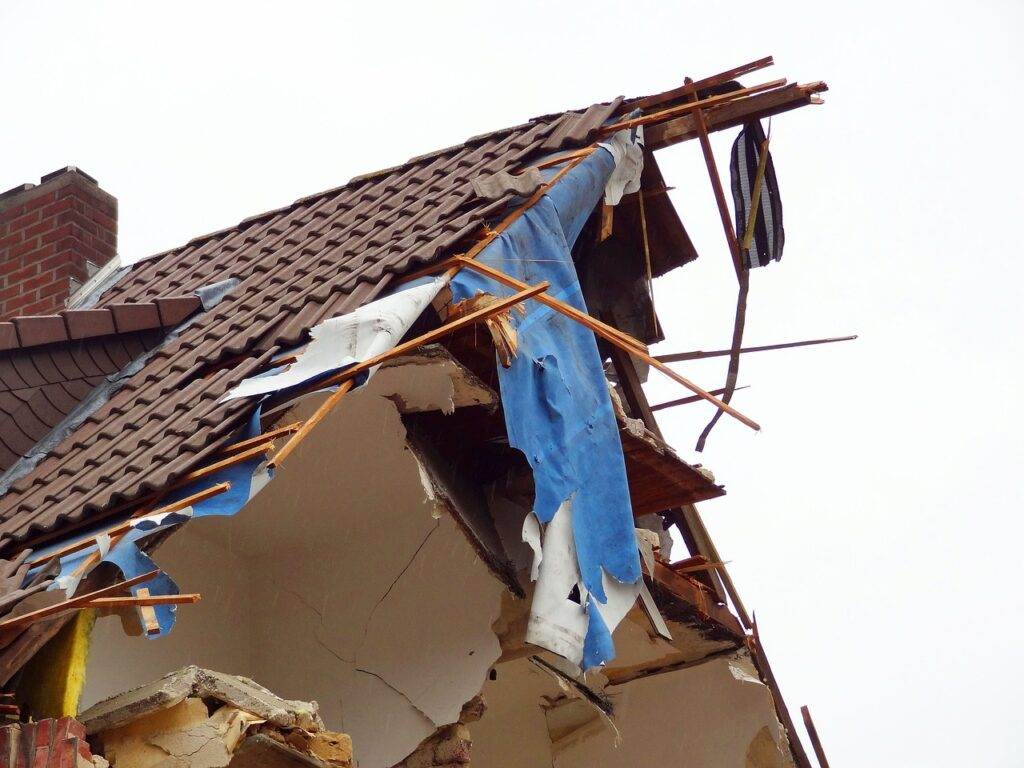
In the event of heavy rain, a roof leak can quickly turn into a major problem for homeowners. Addressing this issue promptly is essential to prevent further damage to both the roof structure and the interior of your home. In this article, we will explore some effective methods to fix a roof leak during heavy rainfall. Discover proven techniques and practical tips that will help you tackle this issue with confidence, ensuring the integrity and safety of your home.
Effective Methods to Fix a Roof Leak in Heavy Rain

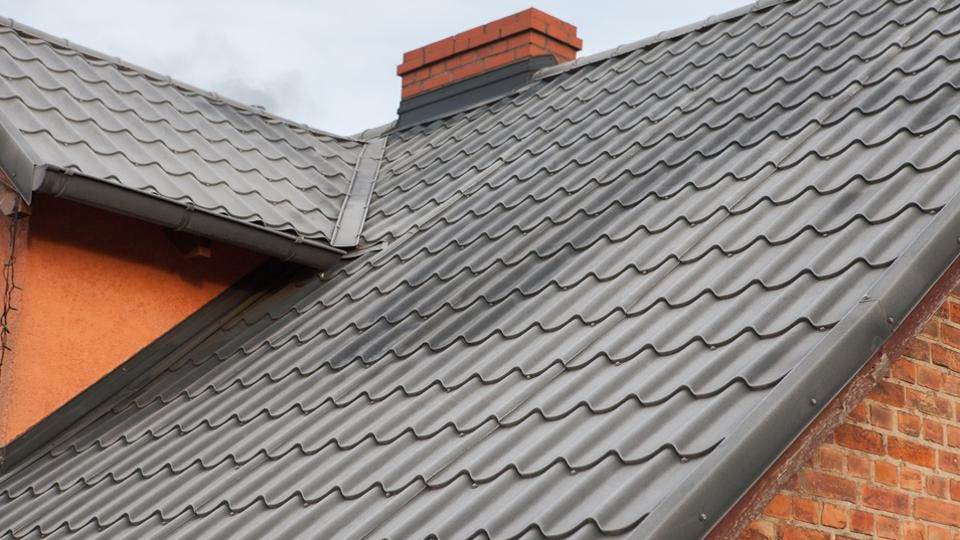
This image is property of pixabay.com.

Inspecting the Roof

Inspecting the roof is the first step in fixing a roof leak in heavy rain. By carefully examining the different components of the roof, you can identify the source of the leak and determine the appropriate course of action.

Identifying the Source of the Leak

When inspecting the roof, the primary goal is to pinpoint the exact location where the water is entering. This can often be challenging, as the water may travel along the roof’s surface or even through the materials before it becomes visible inside the house. Look for any signs of water stains or wetness on the ceiling or walls to help guide your search. Once you have identified the general area, it’s time to move on to the next step.

Checking the Shingles

Inspecting the shingles is crucial because damaged or missing shingles can lead to leaks. Look for any signs of cracking, curling, or blistering on the shingles. Pay close attention to any areas where the shingle granules have worn away, exposing the underlying material. These issues can compromise the integrity of the roof and allow water to penetrate. If you notice any damaged or missing shingles, it is essential to address them promptly to prevent further leaks.

Examining the Flashing

Flashing is the material used to create water-resistant seals around joints and other vulnerable areas on the roof, such as chimneys, skylights, and vents. Inspect the flashing carefully for any signs of damage or deterioration. Common issues include rust, cracks, or loose sections. Damaged flashing can allow water to infiltrate, resulting in leaks. If you notice any problems with the flashing, it may be necessary to repair or replace it.

Inspecting the Gutters and Downspouts

The gutters and downspouts play a critical role in keeping water away from the roof and the foundation of the house. During heavy rain, clogged or damaged gutters can overflow, causing water to back up onto the roof. Inspect the gutters and downspouts for any blockages, such as leaves, twigs, or debris. Additionally, check for any signs of damage, such as sagging or detached sections. Clearing any debris and ensuring proper water flow can help prevent leaks.

Examining the Attic

Although the attic may not be the first place you think to inspect, it can provide valuable information about the condition of your roof. Look for any signs of water stains, mold, or mildew in the attic, as these are indicators of a leak. Additionally, check for any areas where light is coming through, as this can also indicate a potential problem with the roof. By examining the attic, you can gain a better understanding of the extent and location of the leak, which will assist you in determining the appropriate solution.

Temporary Solutions

While long-term solutions are necessary for permanently fixing a roof leak, temporary solutions can provide immediate relief during heavy rain. These temporary measures aim to minimize water intrusion until the weather conditions improve and you can implement a permanent fix.

Using Tarpaulin or Plastic Sheets

If you are experiencing a severe roof leak during heavy rain, using tarpaulin or plastic sheets can provide a temporary barrier to prevent further water damage. Cover the affected area with the tarpaulin or plastic sheet, ensuring that it extends beyond the damaged section. Secure it tightly using nails or other suitable fasteners. While this solution is temporary, it can effectively prevent additional water from entering the house until a proper repair can be made.

Applying Roofing Cement

Roofing cement is a versatile material that can be used as a temporary fix for small roof leaks. It works by creating a waterproof seal around the damaged area, preventing water from seeping through. Before applying the roofing cement, clean the area thoroughly to ensure proper adhesion. Apply a generous amount of the cement over the damaged section, extending it slightly beyond the affected area to create a watertight seal. While this solution may not be a permanent fix, it can provide sufficient protection until a more extensive repair can be carried out.

Applying Roof Sealant

Roof sealant is another temporary solution that can effectively stop minor leaks during heavy rain. Similar to roofing cement, clean the affected area before applying the sealant. Using a putty knife or caulking gun, carefully apply the sealant over the damaged section, ensuring complete coverage. Smooth out the sealant to create a proper seal and allow it to dry thoroughly. While roof sealant is not a long-term solution, it can provide a temporary fix until more extensive repairs can be undertaken.

Long-Term Solutions

Temporary solutions are beneficial for stopping leaks during heavy rain, but for a permanent fix, long-term solutions are required. These solutions address the underlying issues that cause the roof leaks, ensuring lasting protection and preventing future water intrusion.

Replacing Damaged Shingles

If you have identified damaged or missing shingles during the inspection, replacing them is essential to prevent further leaks. Remove the damaged shingles by gently lifting the overlapping shingles and loosening the nails. Carefully slide the new shingle into place, aligning it correctly with the surrounding shingles. Secure the new shingle with nails, making sure they penetrate the underlying roof deck. Repeat this process for any additional damaged shingles, ensuring a proper, watertight installation.

Repairing Flashing

Damaged or deteriorated flashing can compromise the integrity of the roof, leading to leaks. To repair flashing, start by removing the old flashing by gently prying it away from the roof surface. Clean the area thoroughly to remove any debris or residue. Install the new flashing by positioning it correctly and securing it with appropriate fasteners, such as nails or screws. Ensure that the flashing is tightly sealed to prevent water intrusion. Properly repairing the flashing will enhance the roof’s ability to resist leaks during heavy rain.

Fixing Leaking Gutters and Downspouts

Clogged or damaged gutters and downspouts can contribute to roof leaks during heavy rain. To fix leaking gutters, start by clearing any debris or blockages. Remove leaves, twigs, or any other obstructions that may prevent proper water flow. Check for any sagging or detached sections and reattach or replace them as necessary. Additionally, ensure that the downspouts are securely connected and direct water away from the foundation of the house. Properly functioning gutters and downspouts will redirect water away from the roof, reducing the risk of leaks.

Patching Holes in the Roof

If you have identified holes or punctures in the roof, patching them is essential to prevent water intrusion. Clean the area around the hole, removing any loose debris or damaged materials. Apply roofing cement or an appropriate patching material to cover the hole fully. Smooth out the patch to ensure proper adhesion and create a watertight seal. Allow the patch to dry completely before subjecting it to heavy rainfall. Regularly check patches for any signs of damage and repair them promptly to maintain their effectiveness.

Applying a Waterproof Membrane

For added protection against roof leaks, applying a waterproof membrane can be an effective long-term solution. This membrane creates an additional barrier between the roofing materials and the elements, enhancing the roof’s ability to resist water penetration. Before applying the membrane, clean and prepare the surface according to the manufacturer’s instructions. Carefully apply the membrane in overlapping layers, ensuring complete coverage. Take care to avoid any wrinkles or gaps that may compromise the membrane’s effectiveness. By applying a waterproof membrane, you can significantly reduce the risk of leaks during heavy rain.

Preventive Measures

While fixing a roof leak in heavy rain is essential, taking preventive measures can minimize the occurrence of future leaks. By implementing these proactive steps, you can extend the lifespan of your roof and reduce the need for frequent repairs.

Regular Roof Inspections

Regularly inspecting the roof enables you to identify and address any potential issues before they escalate into significant problems. Perform visual inspections at least twice a year, paying attention to the condition of the shingles, flashing, and gutters. Look for signs of damage, such as cracks, curling, or rust. Additionally, check for any loose or missing components. By conducting regular inspections, you can detect early warning signs of leaks and take prompt action to prevent further damage.

Trimming Overhanging Tree Branches

Overhanging tree branches can pose a risk to your roof during heavy rain and storms. The branches can scrape against the roof surface, causing damage or even puncturing the roof. To prevent this, regularly trim any branches that hang too close to the roof. This will minimize the risk of them causing damage during extreme weather conditions. Be cautious when trimming branches near power lines and consider hiring a professional tree service for difficult or dangerous tasks.

Cleaning Gutters and Downspouts

Regularly cleaning the gutters and downspouts is crucial for maintaining their functionality and preventing leaks. Over time, leaves, twigs, and other debris can accumulate in the gutters, obstructing the flow of water. This can cause water to overflow onto the roof, increasing the risk of leaks. Clean the gutters and downspouts at least twice a year, removing any debris and ensuring proper water flow. Consider installing gutter guards or screens to prevent future clogs and reduce the frequency of cleaning.

Repairing Damaged Shingles Promptly

Promptly addressing damaged or missing shingles is vital to prevent leaks and water damage. Inspect your roof regularly for any signs of shingle damage, such as cracks, curling, or blisters. If you notice any issues, take immediate action to repair or replace the damaged shingles. By addressing these problems promptly, you can prevent water from penetrating the roof and causing further damage.
Effective Methods to Fix a Roof Leak in Heavy Rain

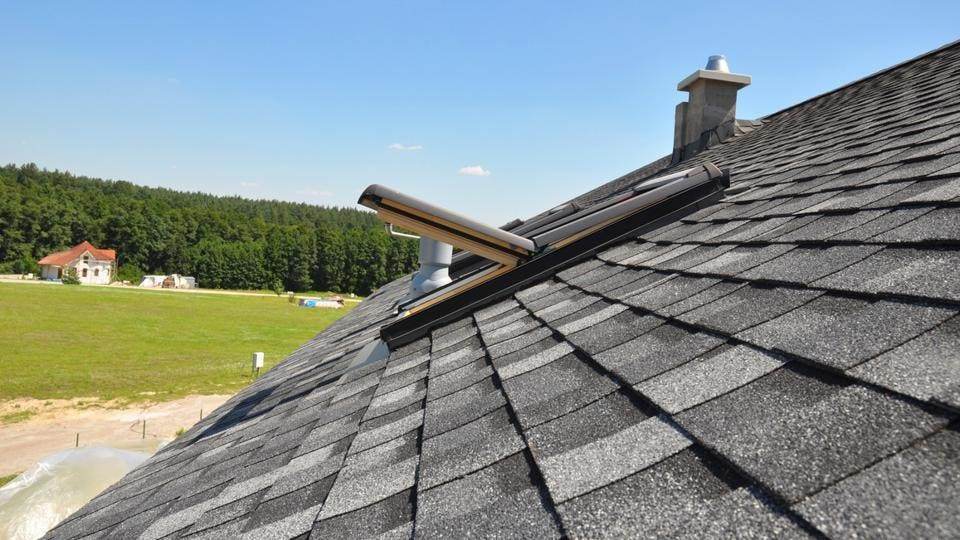
This image is property of pixabay.com.

Calling a Professional Roofer

While many roof repairs can be done independently, some situations may require the expertise of a professional roofer. Knowing when to call a professional and choosing a reliable roofing contractor are crucial for ensuring the best outcome and long-term protection for your roof.

Knowing When to Call

Certain situations may warrant the expertise of a professional roofer. If the roof leak is extensive, the damage is severe, or you are unsure about the appropriate course of action, it is best to call a professional. Additionally, if you are uncomfortable working at heights or lack the necessary tools and equipment, it is safer to leave the job to the experts. A professional roofer can assess the situation, provide accurate recommendations, and perform the necessary repairs with precision and efficiency.

Choosing a Reliable Roofing Contractor

When selecting a roofing contractor, it is essential to choose a reliable and experienced professional. Start by asking for recommendations from friends, family, or neighbors who have recently had roofing work done. Research potential contractors online, checking their websites and reading customer reviews. Look for contractors with proper licenses and insurance coverage, as this demonstrates their commitment to quality workmanship and customer protection. Finally, request estimates from multiple contractors to compare prices, services, and warranties before making a decision.

Getting Estimates

Before hiring a roofing contractor, obtain estimates from different companies to ensure you are getting a fair price for the proposed work. The estimate should outline the scope of the project, including the materials to be used, the labor involved, and the expected timeline. Review the estimates carefully, paying attention to any variations in labor or material costs. Additionally, inquire about warranties and guarantees offered by the contractor. Select the estimate that offers the best value for your investment, considering factors such as reputation, experience, and customer reviews.

Safety Precautions

Working on a roof can be dangerous, particularly during heavy rain or adverse weather conditions. Prioritizing safety is essential to prevent accidents and injuries. Before undertaking any roofing repairs, adhere to the following safety precautions.

Using Proper Safety Equipment

Always use appropriate safety equipment when working on the roof. This includes a sturdy ladder, safety harnesses, non-slip footwear, and protective gloves. Ensure that your safety equipment is in good condition and properly maintained. Use caution when working near the roof’s edge, and avoid carrying tools or materials while climbing the ladder. By using the correct safety equipment, you can minimize the risk of falls and injuries.

Working with a Helper

Having a helper while working on the roof can provide an additional level of safety. A helper can assist in stabilizing the ladder, handing tools or materials, and providing support if needed. Additionally, having someone present can assist in case of an emergency or if immediate assistance is required. If possible, always work with a trusted individual who understands the necessary safety precautions and procedures.

Avoiding Wet and Slippery Surfaces

Working on a wet or slippery roof surface can increase the risk of accidents. Avoid accessing the roof during heavy rain or when the surface is wet. Wait for the rain to subside and the roof to dry before beginning any repairs. If it is essential to work on a damp surface, take extra precautions by wearing non-slip footwear and using additional safety equipment, such as a safety harness. Pay attention to any signs of slippery areas and proceed with caution to prevent falls.

Being Cautious of Electrical Wires

When working on the roof, be mindful of nearby electrical wires. If possible, turn off the power supply to minimize the risk of electrical shock. If you are uncertain about the location of electrical wires or are unsure how to safely work around them, it is best to call a professional electrician or roofing contractor. Attempting to work near electrical wires without proper knowledge or precautions can be extremely hazardous and should be avoided.
Effective Methods to Fix a Roof Leak in Heavy Rain

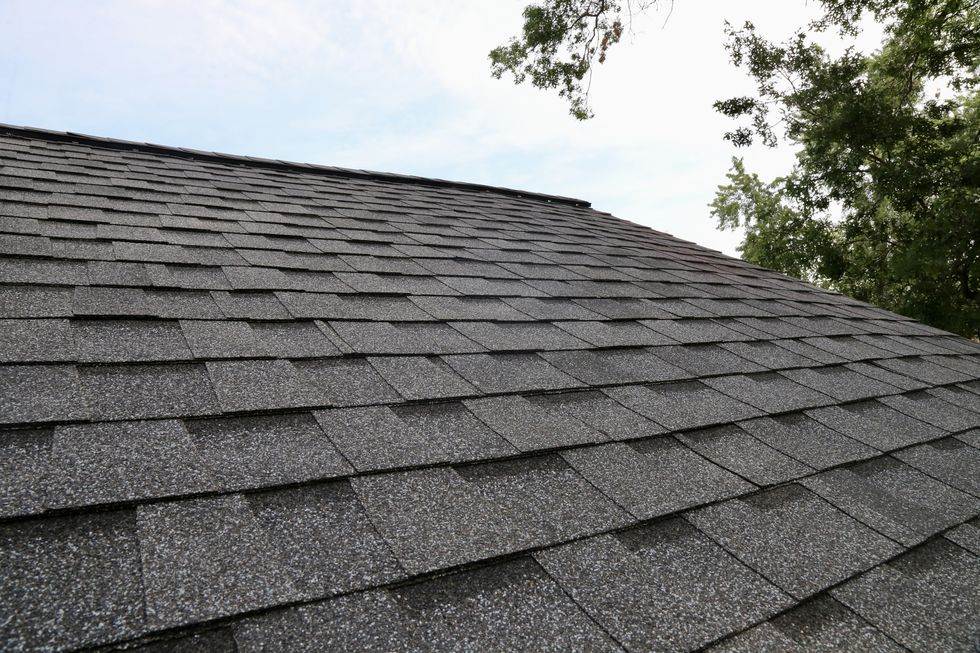
This image is property of pixabay.com.

Preparing the Roof

Before implementing any temporary or long-term solutions, it is essential to prepare the roof properly. Following these steps will ensure that the surface is clean, dry, and ready for repairs.

Clearing Debris

Remove any debris from the roof surface before initiating repairs. Leaves, branches, and other materials can obstruct the flow of water and exacerbate any existing leaks. Use a broom, rake, or blower to sweep away loose debris, taking care not to damage the shingles or other roofing materials. By clearing the roof of debris, you provide a clean canvas for implementing the necessary repairs.

Removing Excess Water

During heavy rain, water may accumulate on the roof’s surface, making it difficult to carry out repairs effectively. Use a squeegee, mop, or towels to remove excess water from the roof. Take caution while doing this, as wet surfaces can be slippery. Ensure that the roof surface is relatively dry before proceeding with any repairs to ensure proper adhesion and effectiveness.

Drying the Surface

Once excess water has been removed from the roof, allow the surface to dry completely. This may require waiting for a period of dry weather or using fans or other drying equipment to expedite the process. Drying the roof surface is crucial for ensuring that any temporary or long-term solutions adhere properly and provide the desired level of protection.

Applying Temporary Solutions

Temporary solutions are useful when immediate relief is needed during heavy rain. Implementing these measures can prevent further water intrusion and provide temporary protection until long-term repairs can be carried out.

Using Tarpaulin or Plastic Sheets

To temporarily stop a roof leak during heavy rain, cover the affected area with a tarpaulin or plastic sheet. Ensure that the material is large enough to extend beyond the damaged section and secure it tightly. Use nails or other appropriate fasteners to hold the tarpaulin or plastic sheet in place. This temporary solution will prevent additional water from entering the house until a proper repair can be made.

Applying Roofing Cement

Roofing cement can be used as a temporary fix for small roof leaks during heavy rain. Clean the damaged area thoroughly before applying the roofing cement. Apply a generous amount of cement over the damaged section, ensuring that it extends slightly beyond the affected area. The roofing cement will create a watertight seal and prevent further water penetration. While this solution is temporary, it can provide sufficient protection until a more extensive repair can be completed.

Applying Roof Sealant

Roof sealant is another temporary solution that can effectively halt minor leaks during heavy rain. Clean the damaged area before applying the sealant. Using a putty knife or caulking gun, carefully apply the sealant over the affected section, ensuring complete coverage. Smooth out the sealant to create a proper seal and allow it to dry thoroughly. Roof sealant provides temporary relief by preventing water from seeping through until a more permanent repair can be undertaken.

Applying Long-Term Solutions

While temporary solutions provide immediate relief, long-term solutions offer lasting protection against roof leaks during heavy rain. Implementing these measures addresses the underlying issues and minimizes the risk of future water intrusion.

Replacing Damaged Shingles

For a long-term fix, it is essential to replace any damaged or missing shingles. Gently lift the overlapping shingles, and remove the nails to take out the damaged shingle. Carefully slide the new shingle into place, aligning it correctly with the surrounding shingles. Secure the new shingle with nails, making sure they penetrate the underlying roof deck. Replace any additional damaged shingles, ensuring a proper, watertight installation. Replacing damaged shingles will provide long-term protection against roof leaks.

Repairing Flashing

To fix damaged or deteriorated flashing, remove the old flashing by gently prying it away from the roof surface. Clean the area thoroughly to remove any debris or residue. Install the new flashing by positioning it correctly and securing it with appropriate fasteners. Take care to tightly seal the flashing, ensuring no gaps are present. Properly repairing the flashing will enhance the roof’s ability to resist leaks during heavy rain and provide a long-term solution.

Fixing Leaking Gutters and Downspouts

To address leaking gutters and downspouts, begin by clearing any debris or blockages. Remove leaves, twigs, or any other obstructions that may prevent proper water flow. Check for any sagging or detached sections and reattach or replace them as necessary. Ensure that the downspouts are securely connected and direct water away from the foundation of the house. By fixing leaking gutters and downspouts, you can redirect water away from the roof, minimizing the risk of leaks during heavy rain.

Patching Holes in the Roof

To prevent water intrusion, patch any holes or punctures in the roof. Clean the area surrounding the hole, removing any loose debris or damaged materials. Apply roofing cement or an appropriate patching material to cover the hole completely. Smooth out the patch to ensure proper adhesion and create a watertight seal. Allow the patch to dry thoroughly before subjecting it to heavy rainfall. Regularly check patches for signs of damage and repair them promptly to maintain their effectiveness as a long-term solution.

Applying a Waterproof Membrane

For enhanced protection against roof leaks, consider applying a waterproof membrane. Before applying the membrane, clean and prepare the surface according to the manufacturer’s instructions. Apply the membrane in overlapping layers, ensuring complete coverage. Smooth out the membrane to avoid any wrinkles or gaps. By applying a waterproof membrane, you create an additional barrier against water penetration. This long-term solution significantly reduces the risk of leaks during heavy rain and provides lasting protection for your roof.

Monitoring and Maintenance

Even after implementing the necessary repairs and solutions, it is essential to continue monitoring your roof and performing regular maintenance. These proactive measures ensure that your roof remains in optimal condition and minimizes the risk of future leaks.

Regularly Checking the Roof for Leaks

Periodically inspect your roof for any signs of leaks, even after making repairs. Perform visual inspections after heavy rain or storms to check for any new leaks or areas of concern. Look for water stains, wet spots, or signs of mold or mildew on the ceiling or walls. Promptly addressing any leaks or signs of water damage will prevent further deterioration and help maintain the integrity of the roof.

Performing Yearly Maintenance

Performing yearly maintenance is essential for keeping your roof in good condition. Clean the gutters and downspouts to ensure proper water flow and prevent clogs. Trim overhanging tree branches that could potentially damage the roof during storms or heavy rain. Inspect the shingles, flashing, and other roof components for signs of damage, and make any necessary repairs promptly. By performing regular maintenance, you can identify and address issues before they escalate, prolonging the lifespan of your roof.

Addressing Issues Promptly

When it comes to roof repairs and maintenance, addressing issues promptly is crucial. Small problems, if left unattended, can lead to more extensive damage and costly repairs. If you notice any signs of leaks or damage during your regular inspections, take immediate action to rectify the problem. Whether it involves replacing a few shingles, repairing flashing, or clearing debris from the gutters, addressing issues promptly will prevent further damage and minimize the risk of leaks during heavy rain.

In conclusion, fixing a roof leak in heavy rain requires a systematic approach that includes inspecting the roof, implementing temporary and long-term solutions, and taking preventive measures. By thoroughly inspecting the different components of the roof, such as the shingles, flashing, gutters, and attic, you can identify the source of the leak and determine the appropriate course of action. Temporary solutions, such as using tarpaulin or plastic sheets, applying roofing cement, or utilizing roof sealants, provide immediate relief until long-term repairs can be carried out. Long-term solutions, such as replacing damaged shingles, repairing flashing, fixing leaking gutters and downspouts, patching holes in the roof, and applying a waterproof membrane, address the underlying issues and prevent future water intrusion. Taking preventive measures, such as regular roof inspections, trimming overhanging tree branches, cleaning gutters and downspouts, and repairing damaged shingles promptly, can minimize the occurrence of roof leaks. Knowing when to call a professional roofer, choosing a reliable contractor, and taking safety precautions are vital for ensuring the best outcome and protecting your well-being. By following proper procedures, preparing the roof adequately, and implementing the necessary temporary and long-term solutions, you can effectively fix a roof leak in heavy rain, extending the lifespan of your roof and maintaining a watertight and secure home.

Source: https://roofingrepairspecialists.com/effective-methods-to-fix-a-roof-leak-in-heavy-rain/

The Easiest Roofing Installation Methods

Installing a new roof can be a daunting task, requiring not only physical labor but also technical expertise. However, there are certain roofing installation methods that are notably easier than others, making the process more manageable and less time-consuming. Whether you are a DIY enthusiast or a professional contractor, understanding the easiest roofing installation methods can save you a great deal of effort and ensure a successful outcome. In this article, we will explore some of these methods and provide valuable insights to help you choose the most suitable roofing option for your project.

The Easiest Roofing Installation Methods

When it comes to installing a new roof, it’s essential to consider the ease and efficiency of the installation process. Choosing a roofing material that is easy to install can help save time and money while ensuring a durable and attractive roof. In this article, we will explore the easiest roofing installation methods and discuss the benefits and challenges of each option.

Asphalt Shingles

Asphalt shingles are one of the most popular roofing materials due to their affordability and versatility. The installation process for asphalt shingles is relatively straightforward, making it a popular choice for both professional roofers and DIY enthusiasts.

The key advantage of asphalt shingles is their simplicity and quick installation. They are lightweight and come in large sheets or individual strips, allowing for easy handling and placement. Additionally, asphalt shingles can be installed over existing roof structures, reducing the need for tear-off and disposal.

Metal Roofing

Metal roofing is another roofing material known for its ease of installation. Metal roofs come in various forms, including panels and shingles, and offer durability and energy efficiency. When it comes to installation, metal roofs are relatively lightweight, which makes them easier to transport and handle during the installation process.

One of the significant advantages of metal roofing is its interlocking system, which simplifies the installation process. The panels or shingles can be easily secured together, creating a seamless and watertight barrier. Moreover, metal roofing is often available in large sheets, reducing the number of seams required and further streamlining the installation.

Rubber Roofing

Rubber roofing, also known as EPDM (ethylene propylene diene monomer) roofing, is a popular choice for flat or low-sloped roofs. This type of roofing material offers excellent durability and waterproofing capabilities.

The installation of rubber roofing involves the use of adhesive and seam tape to create a watertight seal. The material is typically rolled out onto the roof surface and secured in place, making it relatively easy to install. With its lightweight nature and flexibility, rubber roofing can be easily maneuvered and shaped around roof features such as vents and chimneys.

Clay or Concrete Tiles

Clay or concrete tiles are classic roofing materials known for their beauty and longevity. While their installation can be more labor-intensive than other options, with the right expertise, it can still be relatively straightforward.

The primary challenge in installing clay or concrete tiles lies in their weight. These materials are significantly heavier than other roofing options, making it essential to ensure the roof structure can support the added load. Additionally, careful handling and precise alignment are required to create a uniform and visually appealing roof surface.

Wood Shingles or Shakes

Wood shingles or shakes provide a charming and rustic aesthetic to any home. The installation process for wood roofing materials can be more time-consuming and intricate compared to other options. However, with proper guidance and attention to detail, it is still an achievable task.

The key aspect of installing wood shingles or shakes is proper ventilation. Wood is a natural material and tends to expand and contract with changes in humidity and temperature. Therefore, ensuring adequate airflow beneath the roofing surface is crucial to prevent warping and rotting over time.

Slate Roofing

Slate roofing offers unmatched elegance and longevity, making it a premium roofing choice. The installation of slate tiles requires specialized skills and tools due to their weight and fragility. Therefore, it is recommended to hire professional roofers for slate roof installations.

Each slate tile needs to be individually secured to the roof structure, and precise alignment is crucial to achieve a visually pleasing result. Additionally, to support the added weight of slate, the roof structure must be designed to withstand the load.

Green Roofs

Green roofs are becoming increasingly popular, thanks to their environmental benefits and aesthetic appeal. Installing a green roof involves the integration of vegetation onto the roof surface, creating a natural and eco-friendly space.

The process of installing a green roof varies depending on the type and complexity of the system chosen. Generally, it involves adding layers such as a waterproof membrane, drainage system, growing medium, and vegetation. While the installation may be more involved, various pre-grown modular systems are available, which can simplify the process and make it more accessible to homeowners.

Solar Panels

Solar panels not only generate renewable energy but can also contribute to the overall sustainability of a building. The installation of solar panels on the roof typically requires the expertise of solar installers. However, the process is relatively straightforward and can be completed within a few days.

The panels are mounted onto the roof using racks or brackets that are securely fastened to the roof structure. The electrical connections are then made, allowing the solar panels to generate electricity. With advancements in technology, solar panels are now more efficient and easier to install than ever before.

Thermoplastic Olefin (TPO) Roofing

TPO roofing has gained popularity in recent years due to its energy efficiency and durability. This type of roofing material is lightweight, making it easier to handle and install compared to other single-ply roofing options.

The installation process for TPO roofing involves rolling out the TPO membrane onto the roof surface and then heat-welding the seams to create a watertight seal. The material can be adhered directly to the roof structure or mechanically fastened using screws or plates. The simplicity of the installation process makes TPO roofing a preferred choice for many commercial and residential applications.

Stone-Coated Steel Roofing

Stone-coated steel roofing combines the durability of steel with the aesthetic appeal of traditional roofing materials. The installation process for stone-coated steel roofing is relatively straightforward and requires minimal maintenance.

The panels or shingles are secured directly to the roof surface, typically with screws or nails. The interlocking system ensures a secure fit, providing protection against wind uplift and water penetration. The lightweight nature of the material simplifies the installation, and the stone coating adds an additional layer of protection against the elements.

In conclusion, there are various roofing materials available that offer ease of installation without compromising on quality or durability. From versatile asphalt shingles to environmentally friendly green roofs, each option has its unique benefits and challenges. Whether you choose to handle the installation yourself or hire professionals, considering the ease of installation is an essential factor in achieving a successful and long-lasting roof.

Source: https://roofingrepairspecialists.com/the-easiest-roofing-installation-methods/

Top 5 DIY Roofing Solutions

In this article, you will discover the top five do-it-yourself (DIY) roofing solutions that will empower you to tackle roof installations with confidence. From uncomplicated materials to simplified installation methods, these DIY options have been carefully selected based on their ease of use, ensuring that even those with limited roofing experience can successfully complete their own projects. Whether you’re a homeowner seeking cost-effective roofing solutions or a DIY enthusiast ready to take on a new challenge, this article will provide you with valuable insights on the easiest roof to install yourself.

Top 5 DIY Roofing Solutions

This image is property of http://www.thespruce.com.

Top 5 DIY Roofing Solutions

When it comes to roofing, there are a variety of options available for homeowners looking to tackle the project themselves. DIY roofing solutions can be cost-effective and rewarding, but it’s important to choose the right materials and follow proper installation steps to ensure a successful outcome. In this article, we will explore the top five DIY roofing solutions: Asphalt Shingles, Metal Roofing, Rubber Roofing, Clay or Concrete Tiles, and Wood Shingles or Shakes. We will discuss the overview, materials and tools needed, installation steps, pros and cons, as well as cost and maintenance considerations for each roofing solution.

1. Asphalt Shingles

1.1 Overview

Asphalt shingles are one of the most common roofing materials used in residential construction. They are popular due to their affordability, versatility, and ease of installation. Asphalt shingles come in a wide range of colors and styles, allowing homeowners to choose a look that matches their preferences and enhances the curb appeal of their home.

1.2 Materials and Tools Needed

To install asphalt shingles, you will need the following materials and tools:

  • Asphalt shingles
  • Roofing felt
  • Roofing nails
  • Roofing adhesive
  • Roofing cement
  • Drip edge
  • Flashing
  • Underlayment
  • Safety harness
  • Ladder
  • Hammer
  • Utility knife
  • Nail gun
  • Chalk line
  • Roofing nail gun

1.3 Installation Steps

The installation process for asphalt shingles involves the following steps:

  1. Prepare the roof: Remove the existing roofing material and inspect the roof deck for any damage. Repair or replace any damaged areas.

  2. Install underlayment: Lay down a layer of roofing felt or synthetic underlayment to provide an additional layer of protection against moisture.

  3. Install drip edge and flashing: Install the drip edge along the eaves and rakes of the roof to prevent water from seeping underneath the shingles. Install flashing around chimneys, vents, and other roof penetrations.

  4. Begin shingle installation: Start at the bottom edge of the roof and work your way up, overlapping each row of shingles. Use a chalk line to ensure straight and even rows.

  5. Secure shingles: Nail the shingles into place using roofing nails, making sure to follow the manufacturer’s recommendations for the number of nails per shingle.

  6. Install ridge caps: Install ridge caps along the ridges of the roof to provide a finished look and additional protection against water infiltration.

1.4 Pros and Cons of Asphalt Shingles

Some pros of asphalt shingles include:

  • Affordability: Asphalt shingles are one of the most cost-effective roofing materials available, making them an attractive option for homeowners on a budget.

  • Variety: Asphalt shingles come in a wide range of colors and styles, allowing homeowners to choose a look that complements their home’s architecture and personal style.

  • Easy installation: With the right tools and materials, asphalt shingles can be installed relatively easily, making them a popular choice for DIY projects.

  • Durability: Asphalt shingles are designed to withstand various weather conditions and can have a lifespan of 20 to 30 years.

However, there are also some cons to consider:

  • Vulnerable to extreme temperatures: Asphalt shingles can be susceptible to damage from extreme temperatures, such as cracking in cold climates or warping in hot climates.

  • Limited lifespan: While asphalt shingles can last for several decades, they have a shorter lifespan compared to some other roofing materials, such as metal or clay tiles.

1.5 Cost and Maintenance Considerations

The cost of asphalt shingles can vary depending on factors such as quality, style, and brand. On average, you can expect to pay between $3 and $5 per square foot for materials and installation. It’s important to consider the long-term maintenance costs as well, as asphalt shingles may require occasional repairs and replacement over time.

Regular maintenance for asphalt shingles includes keeping the roof clean and free of debris, inspecting for any signs of damage or wear, and promptly addressing any issues that arise. By properly maintaining your asphalt shingle roof, you can help extend its lifespan and prevent potential problems in the future.

Top 5 DIY Roofing Solutions

This image is property of thumbor.forbes.com.

2. Metal Roofing

2.1 Overview

Metal roofing has gained popularity in recent years due to its durability, energy efficiency, and versatility. It is available in a variety of styles and finishes, allowing homeowners to achieve a modern or classic look for their home.

2.2 Materials and Tools Needed

To install a metal roof, you will need the following materials and tools:

  • Metal panels or shingles
  • Roofing underlayment
  • Roofing screws or nails
  • Roofing adhesive
  • Ridge caps
  • Flashing
  • Safety harness
  • Ladder
  • Tin snips or metal shears
  • Drill/driver
  • Caulking gun

2.3 Installation Steps

The installation process for metal roofing involves the following steps:

  1. Prepare the roof: Remove any existing roofing material and inspect the roof deck for damage. Make any necessary repairs before proceeding.

  2. Install underlayment: Lay down a layer of roofing underlayment to provide additional weather protection.

  3. Install flashing: Install flashing around chimneys, vents, and other roof penetrations to prevent water infiltration.

  4. Begin metal panel installation: Start at one corner of the roof and lay the first metal panel or shingle according to the manufacturer’s instructions. Overlap each panel or shingle to ensure a watertight seal.

  5. Secure the metal panels: Use roofing screws or nails to secure the metal panels to the roof deck, following the manufacturer’s recommendations for spacing and fastener type.

  6. Install ridge caps: Install ridge caps along the ridges of the roof to provide a finished look and additional protection against water penetration.

2.4 Pros and Cons of Metal Roofing

Some pros of metal roofing include:

  • Durability: Metal roofs are highly durable and can withstand extreme weather conditions, including strong winds, heavy rain, and hail. They are also resistant to fire, rot, and insect damage.

  • Energy efficiency: Metal roofs have reflective properties that can help reduce cooling costs by reflecting the sun’s heat away from the building. They can also be installed with additional insulation for improved energy efficiency.

  • Longevity: When properly installed and maintained, metal roofs can last 40 to 70 years or more, often exceeding the lifespan of other roofing materials.

  • Versatility: Metal roofing is available in a variety of styles, including panels, shingles, and tiles, allowing homeowners to achieve different looks and architectural designs.

However, there are also some cons to consider:

  • Cost: Metal roofing can be more expensive upfront compared to other roofing materials. However, its long lifespan and energy efficiency may offset the initial investment over time.

  • Noise: Without proper insulation, metal roofs can be noisy during rain or hailstorms. However, insulation materials can help minimize the noise.

2.5 Cost and Maintenance Considerations

The cost of metal roofing can vary depending on factors such as the type of metal, finish, and style. On average, you can expect to pay between $7 and $12 per square foot for materials and installation. While the initial cost may be higher compared to other roofing materials, the long-term savings in energy costs and potential lifespan of the roof can make it a worthwhile investment.

Maintenance for a metal roof is relatively low compared to other materials. Regular inspections and cleaning to remove debris are recommended. Any damaged or loose panels should be repaired or replaced promptly to maintain the integrity of the roof.

Top 5 DIY Roofing Solutions

This image is property of thumbor.forbes.com.

3. Rubber Roofing

3.1 Overview

Rubber roofing, also known as EPDM (Ethylene Propylene Diene Monomer), is a popular choice for flat or low-slope roofs. It is known for its durability, affordability, and ease of installation.

3.2 Materials and Tools Needed

To install a rubber roof, you will need the following materials and tools:

  • Rubber roofing membrane
  • Rubber roofing adhesive
  • Seam primer
  • Seam tape
  • Flashing
  • Roofing nails or screws
  • Safety harness
  • Ladder
  • Utility knife
  • Roller or brush

3.3 Installation Steps

The installation process for rubber roofing involves the following steps:

  1. Prepare the roof: Remove any existing roofing material and clean the roof surface. Repair any damaged areas or flashing before proceeding.

  2. Install flashing: Install flashing around roof penetrations and edges to prevent water infiltration.

  3. Lay down rubber membrane: Roll out the rubber roofing membrane over the roof surface, leaving a few inches of overhang on all sides.

  4. Adhere the membrane: Apply the rubber roofing adhesive to the roof surface and roll the membrane onto the adhesive, smoothing out any wrinkles or air pockets.

  5. Secure the seams: Use a seam primer to clean the edges of the membrane and apply seam tape to seal the seams. Press the tape firmly onto the membrane.

  6. Install flashing and edge details: Install flashing around roof penetrations and edges, securing them with roofing nails or screws.

  7. Trim excess membrane: Use a utility knife to trim any excess membrane, leaving a clean and finished edge.

3.4 Pros and Cons of Rubber Roofing

Some pros of rubber roofing include:

  • Durability: Rubber roofs are known for their durability and can last 30 to 50 years with proper maintenance. They are resistant to hail, UV rays, and extreme weather conditions.

  • Ease of installation: Rubber roofing can be relatively easy to install, making it a suitable option for DIY projects.

  • Energy efficiency: Rubber roofs have excellent insulation properties, helping to reduce heating and cooling costs.

  • Low maintenance: Rubber roofs require minimal maintenance, typically only requiring periodic cleaning and inspections for any signs of damage.

However, there are also some cons to consider:

  • Limited aesthetic options: Rubber roofing is available in limited colors and styles, which may not suit every homeowner’s aesthetic preferences.

  • Vulnerable to punctures: Although rubber roofs are durable, they can be susceptible to punctures from sharp objects or falling branches.

3.5 Cost and Maintenance Considerations

The cost of rubber roofing can vary depending on factors such as the thickness of the membrane and the size of your roof. On average, you can expect to pay between $5 and $8 per square foot for materials and installation. Rubber roofs are considered a cost-effective option compared to other roofing materials.

Maintenance for a rubber roof is relatively low. Regular inspections and cleaning to remove debris are recommended. Any damaged or loose sections should be repaired promptly to prevent water infiltration and extend the lifespan of the roof.

Top 5 DIY Roofing Solutions

This image is property of architizer-prod.imgix.net.

4. Clay or Concrete Tiles

4.1 Overview

Clay or concrete tiles are popular for their durability, longevity, and classic appearance. They can add a touch of elegance and sophistication to any home.

4.2 Materials and Tools Needed

To install clay or concrete tiles, you will need the following materials and tools:

  • Clay or concrete tiles
  • Roofing underlayment
  • Roofing nails
  • Roofing mortar or adhesive
  • Ridge caps
  • Flashing
  • Safety harness
  • Ladder
  • Tile cutter or wet saw
  • Roofing nail gun

4.3 Installation Steps

The installation process for clay or concrete tiles involves the following steps:

  1. Prepare the roof: Remove any existing roofing material and inspect the roof deck for damage. Make any necessary repairs before proceeding.

  2. Install underlayment: Lay down a layer of roofing underlayment to provide additional weather protection.

  3. Install flashing: Install flashing around chimneys, vents, and other roof penetrations to prevent water infiltration.

  4. Begin tile installation: Start at one corner of the roof and lay the first row of tiles along the eaves, overlapping each tile to ensure a watertight seal. Use roofing mortar or adhesive to secure the tiles.

  5. Continue tile installation: Work your way up the roof, installing each row of tiles in a staggered pattern. Use a tile cutter or wet saw to cut tiles as needed to fit the edges and angles.

  6. Install ridge caps: Install ridge caps along the ridges of the roof to provide a finished look and additional protection against water penetration.

4.4 Pros and Cons of Clay or Concrete Tiles

Some pros of clay or concrete tiles include:

  • Longevity: Clay or concrete tiles can last 50 to 100 years or more, making them one of the most long-lasting roofing materials available.

  • Durability: Tiles are resistant to fire, rot, and insect damage. They can withstand harsh weather conditions, including high winds and heavy rain.

  • Energy efficiency: Clay or concrete tiles have natural insulating properties, helping to reduce heating and cooling costs.

  • Aesthetic appeal: Clay or concrete tiles have a timeless and elegant appearance, enhancing the curb appeal of any home.

However, there are also some cons to consider:

  • Weight: Clay or concrete tiles are heavier compared to other roofing materials. Make sure your roof structure can support the weight before installation.

  • Cost: Clay or concrete tiles can be more expensive upfront compared to other roofing materials. However, their longevity may offset the initial investment over time.

4.5 Cost and Maintenance Considerations

The cost of clay or concrete tiles can vary depending on factors such as material quality, style, and manufacturer. On average, you can expect to pay between $10 and $20 per square foot for materials and installation. While the initial cost may be higher compared to other roofing materials, the lifespan and aesthetic appeal of clay or concrete tiles can make them a desirable choice.

Maintenance for clay or concrete tiles is relatively low, typically only requiring occasional inspections and cleaning to remove debris. Any cracked or broken tiles should be replaced promptly to maintain the integrity of the roof.

Top 5 DIY Roofing Solutions

This image is property of hips.hearstapps.com.

5. Wood Shingles or Shakes

5.1 Overview

Wood shingles or shakes can add natural beauty and warmth to any home. They are a popular choice for homeowners looking to achieve a rustic or traditional look.

5.2 Materials and Tools Needed

To install wood shingles or shakes, you will need the following materials and tools:

  • Wood shingles or shakes
  • Roofing underlayment
  • Roofing nails
  • Roofing adhesive
  • Flashing
  • Safety harness
  • Ladder
  • Hammer
  • Utility knife
  • Nail gun
  • Chalk line

5.3 Installation Steps

The installation process for wood shingles or shakes involves the following steps:

  1. Prepare the roof: Remove any existing roofing material and inspect the roof deck for damage. Make any necessary repairs before proceeding.

  2. Install underlayment: Lay down a layer of roofing underlayment to provide additional weather protection.

  3. Install flashing: Install flashing around chimneys, vents, and other roof penetrations to prevent water infiltration.

  4. Begin wood shingle or shake installation: Start at one corner of the roof and lay the first row of shingles or shakes, overlapping each piece to ensure a watertight seal. Use roofing nails or adhesive to secure them in place.

  5. Continue wood shingle or shake installation: Work your way up the roof, installing each row of shingles or shakes in a staggered pattern. Use a chalk line to ensure straight and even rows.

  6. Install ridge caps: Install ridge caps along the ridges of the roof to provide a finished look and additional protection against water penetration.

5.4 Pros and Cons of Wood Shingles or Shakes

Some pros of wood shingles or shakes include:

  • Natural beauty: Wood shingles or shakes have a timeless and natural appearance, enhancing the aesthetic appeal of any home.

  • Sustainability: Wood is a renewable resource, making it an environmentally friendly option for roofing.

  • Insulation: Wood shingles or shakes provide natural insulation, helping to regulate indoor temperatures and reduce energy consumption.

However, there are also some cons to consider:

  • Maintenance: Wood shingles or shakes require regular maintenance, including periodic cleaning, inspections, and treatments to prevent mold, rot, and insect damage.

  • Fire risk: Wood shingles or shakes may pose a higher fire risk compared to other roofing materials. However, treatments can be applied to reduce the risk.

5.5 Cost and Maintenance Considerations

The cost of wood shingles or shakes can vary depending on factors such as wood species, thickness, and quality. On average, you can expect to pay between $7 and $12 per square foot for materials and installation. While the initial cost may be higher compared to some other roofing materials, the natural beauty and unique characteristics of wood shingles or shakes can make them a desirable option.

Maintenance for wood shingles or shakes is relatively high compared to other materials. Regular inspections, cleaning, and treatments may be required to prevent mold, rot, and insect infestations. It’s important to follow manufacturer recommendations and consult with professionals to ensure proper maintenance and preserve the longevity of your wood roof.

In conclusion, there are several DIY roofing solutions available for homeowners looking to take on the project themselves. Asphalt shingles, metal roofing, rubber roofing, clay or concrete tiles, and wood shingles or shakes offer a range of options with different benefits and considerations. By understanding the overview, materials and tools needed, installation steps, pros and cons, as well as cost and maintenance considerations for each roofing solution, homeowners can make an informed decision and successfully tackle their DIY roofing project. Remember to prioritize safety, follow manufacturer guidelines, and consult with professionals if needed, to ensure a successful and durable roof for your home.

Source: https://roofingrepairspecialists.com/top-5-diy-roofing-solutions/

The Best Roofing Materials for Your Budget

When it comes to finding the ideal roofing material for your budget, making an informed decision is crucial. The market offers a diverse range of options, each varying in cost, durability, and aesthetic appeal. From traditional asphalt shingles to modern metal panels, this article will guide you through the top roofing materials suited for different budgetary constraints. Whether you are looking for an affordable option that still provides reliable protection or willing to invest in premium materials for a long-term solution, navigating the roofing market has never been easier.

Budget-friendly roofing materials

Asphalt shingles

Asphalt shingles are one of the most popular and budget-friendly roofing materials available. They are composed of a fiberglass base coated with asphalt and mineral granules. One of the key advantages of asphalt shingles is their affordability. They are significantly cheaper than other roofing options, making them a popular choice for homeowners on a tight budget. Additionally, asphalt shingles are relatively easy to install, which further contributes to their cost-effectiveness. However, it is important to note that although they are affordable, asphalt shingles have a shorter lifespan compared to some other materials, which may require more frequent replacements and maintenance.

Metal roofing

Metal roofing is another cost-effective option for homeowners. It is made of various metals such as steel, aluminum, or copper and offers excellent durability and longevity. In terms of affordability, metal roofing falls within the mid-range category, making it a suitable choice for homeowners looking for a balance between budget and durability. Additionally, metal roofs are lightweight and easy to install, which can save on installation costs. They are also highly resistant to fire, insects, and rot, further reducing the need for frequent repairs or replacements. Overall, metal roofing provides excellent value for its price.

Composite shingles

Composite shingles, also known as synthetic shingles, are a budget-friendly alternative to more expensive roofing materials. They are typically made from a combination of recycled materials and plastics. Composite shingles can mimic the appearance of other roofing materials, such as wood or slate, while offering a more affordable price point. These shingles are lightweight and easy to install, making them a cost-effective choice for homeowners. However, it is important to consider the lifespan of composite shingles, as they may not be as durable as some other materials, requiring more frequent replacements over time.

Mid-range roofing materials

Wood shingles

Wood shingles, also known as cedar shingles, are a popular choice for homeowners seeking a mid-range roofing option. They are made from natural wood, typically cedar or redwood, offering a rustic and charming aesthetic appeal. Wood shingles provide excellent insulation properties, which can contribute to energy efficiency and lower utility bills. However, they require regular maintenance to prevent rot and decay, which can increase the overall cost of owning a wood shingle roof. Despite this, wood shingles remain a desirable choice for homeowners looking to balance cost and aesthetics.

Slate tiles

Slate tiles are a mid-range roofing material known for their elegance and durability. They are made from natural stone, typically slate, and offer a timeless appeal to any home. Slate tiles are highly durable and can last for several decades when properly maintained. They are also fire-resistant and provide excellent protection against harsh weather conditions. While slate roofs can be more expensive initially compared to other materials, their durability and longevity make them a worthwhile investment for homeowners who value the aesthetic appeal and long-term durability of their roofing system.

Concrete tiles

Concrete tiles are another mid-range roofing option that offers excellent durability and versatility. They are made from a mixture of cement, sand, and water, providing a strong and long-lasting roofing material. Concrete tiles are available in a range of styles and colors, allowing homeowners to achieve a variety of design options to suit their preferences. In terms of maintenance, concrete tiles require minimal upkeep, making them a relatively hassle-free choice. While they may not have the same traditional charm as wood or slate, concrete tiles offer a cost-effective option for homeowners seeking durability and aesthetics.

High-end roofing materials

Clay tiles

Clay tiles are a high-end roofing material that exudes luxury and elegance. They are made from natural clay and offer a timeless appeal to any home. Clay tiles are known for their durability and resistance to extreme weather conditions. They have a lifespan of several decades when properly maintained, making them a long-term investment for homeowners. Additionally, clay tiles provide excellent insulation properties, promoting energy efficiency and reducing utility costs. However, it is important to consider the weight of clay tiles, as they may require additional structural reinforcement, which can increase the overall cost of installation.

Cedar shakes

Cedar shakes, also known as cedar wood shakes, are a high-end roofing option known for their natural beauty and durability. They are handcrafted from premium cedar wood, providing a unique and customized look for each roof. Cedar shakes offer excellent insulation properties and are highly resistant to UV damage and insect infestations. Their durability allows them to withstand harsh weather conditions, making them suitable for various climates. However, cedar shakes require regular maintenance, including periodic cleaning and treatment to prevent decay and extend their lifespan. This maintenance requirement should be considered when evaluating the overall cost of owning a cedar shake roof.

Metal shingles

Metal shingles are a high-end roofing material that combines durability, aesthetics, and energy efficiency. Made from various metals such as aluminum or copper, metal shingles offer excellent protection against extreme weather conditions and have a long lifespan. They are lightweight and easy to install, reducing labor costs during the installation process. Metal shingles also provide energy efficiency benefits, reflecting sunlight and reducing heat absorption, which can lower cooling costs during hot seasons. While metal shingles may have a higher initial cost compared to other materials, their durability, energy efficiency, and aesthetic appeal make them a worthwhile investment for homeowners seeking a high-end roofing option.

Durability and longevity

Asphalt shingles

Asphalt shingles typically last between 15 to 30 years, depending on the quality of materials used and the local climate conditions. While they are a more budget-friendly option, their lifespan is relatively shorter compared to other roofing materials. Additionally, asphalt shingles may be susceptible to damage from severe weather conditions such as strong winds or hail.

Metal roofing

Metal roofing is known for its exceptional durability and longevity. It can last up to 50 years or more, with proper maintenance. Metal roofs are resistant to fire, insects, and rot, making them highly durable and capable of withstanding harsh weather conditions. They are also less prone to cracking and warping compared to other materials.

Slate tiles

Slate tiles are renowned for their extreme durability and longevity. They can last for over a century when properly installed and maintained. Slate tiles are highly resistant to fire, water, and harsh weather conditions, making them an ideal choice for homeowners seeking a roofing material that will stand the test of time. However, it is important to note that slate tiles are heavy and may require additional structural reinforcement during installation.

Energy efficiency

Metal roofing

Metal roofing offers excellent energy efficiency benefits. Its reflective properties help to reduce heat absorption, resulting in lower cooling costs during hot seasons. Additionally, metal roofs can be coated with special finishes that further enhance their energy efficiency. These coatings help to reflect more sunlight and reduce the transfer of heat into the home, resulting in reduced energy consumption.

Clay tiles

Clay tiles provide excellent natural insulation properties, helping to regulate indoor temperatures and reduce the need for excessive heating or cooling. This insulation quality contributes to energy efficiency, as less energy is required to maintain a comfortable indoor environment. Furthermore, clay tiles have a reflective surface that helps to deflect sunlight and reduce heat absorption.

Green roofs

Green roofs, also known as living roofs, are an increasingly popular option for homeowners seeking energy-efficient roofing solutions. They consist of a waterproofing layer, a growing medium, and vegetation. Green roofs provide insulation properties that help to regulate indoor temperatures, reducing the need for heating or cooling. The plants on the roof also absorb carbon dioxide and release oxygen, contributing to a greener environment.

Aesthetics and curb appeal

Wood shingles

Wood shingles offer a natural and rustic aesthetic appeal that can enhance the overall curb appeal of a home. They provide a warm and inviting look that adds charm and character to any architectural style. Over time, wood shingles develop a beautiful, weathered patina that gives them a unique and timeless appearance.

Slate tiles

Slate tiles are synonymous with elegance and sophistication. They offer a classic and refined look that can enhance the aesthetic appeal of any home. Slate tiles come in various colors and textures, providing versatility in design options. Their sleek and smooth surface adds a touch of luxury to the overall appearance of the roof.

Clay tiles

Clay tiles are renowned for their timeless and distinctive look. They exude a sense of elegance and are often associated with Mediterranean or Spanish architectural styles. Clay tiles are available in a range of colors and profiles, allowing homeowners to create a customized and visually appealing roof that complements the overall design of their home.

Maintenance and repairs

Asphalt shingles

Asphalt shingles require regular maintenance to ensure their longevity. Periodic inspections are necessary to identify any damaged or missing shingles and address them promptly. Additionally, cleaning the shingles from debris and removing moss or algae growth is essential to maintain their aesthetic appeal and prevent moisture retention, which can lead to roof damage.

Metal roofing

Metal roofing requires minimal maintenance compared to other materials. Regular inspections for loose fasteners or damaged areas are recommended to prevent potential leaks. Additionally, clearing debris and ensuring proper drainage is important to keep the roof in good condition. With proper maintenance, metal roofs can last for several decades without major repairs.

Concrete tiles

Concrete tiles are relatively low-maintenance, requiring occasional inspections for cracked or damaged tiles. Cleaning the tiles from debris or dirt buildup is also necessary to maintain their appearance. However, it is important to note that if a concrete tile does get damaged, it can be more challenging to repair compared to asphalt shingles or metal roofing.

Environmental impact

Metal roofing

Metal roofing is an environmentally friendly option due to its high recyclability. Most metal roofs are made from recycled materials, and once they reach the end of their lifespan, they can be recycled again. Metal roofs also have a long lifespan, reducing the frequency of replacements and minimizing waste. Additionally, metal roofs are energy-efficient, as they reflect sunlight and reduce heat absorption, contributing to reduced energy consumption for cooling.

Clay tiles

Clay tiles are made from natural materials and have a minimal environmental impact. They can be produced using energy-efficient processes and contribute to energy efficiency by providing insulation properties that reduce the need for excessive heating or cooling. Clay tiles are also durable and long-lasting, reducing waste generation compared to materials with shorter lifespans.

Green roofs

Green roofs have a significant positive environmental impact. They provide natural insulation, reducing the need for heating or cooling and thus decreasing energy consumption. Green roofs also contribute to improving air quality by absorbing carbon dioxide and releasing oxygen. Additionally, they help to manage stormwater runoff, reducing the strain on urban drainage systems. Overall, green roofs offer various environmental benefits and contribute to a more sustainable future.

Regional suitability

Wood shingles

Wood shingles are suitable for regions with moderate climates. They perform well in areas with lower humidity and less frequent rainfall, as excessive moisture can lead to rot and decay. In regions with a higher risk of wildfires, it is important to ensure that the wood shingles are treated with fire-resistant coatings or choose alternative materials.

Metal roofing

Metal roofing is suitable for various regions and climates. It performs well in areas with heavy snowfall, as the smooth surface allows the snow to slide off easily, preventing excessive load on the roof. Metal roofs are also highly resistant to wind damage, making them suitable for regions prone to severe storms or hurricanes.

Concrete tiles

Concrete tiles are suitable for regions with moderate to hot climates. They provide excellent heat resistance and can withstand high temperatures without deteriorating. However, in regions with frequent freeze-thaw cycles, it is important to choose concrete tiles specifically designed to withstand these conditions.

Cost comparison

Asphalt shingles vs. Metal roofing

When comparing the costs of asphalt shingles and metal roofing, asphalt shingles are the more affordable option. They have a lower upfront cost and are generally less expensive to install. However, metal roofing offers superior durability and longevity, resulting in fewer replacements over time. While metal roofing may have a higher initial cost, its longer lifespan and minimal maintenance requirements can make it a cost-effective choice in the long run.

Composite shingles vs. Wood shingles

Composite shingles are generally more budget-friendly compared to wood shingles. They offer a similar appearance to wood shingles at a lower price point. However, wood shingles provide a natural and timeless look that may be worth the additional cost for homeowners seeking a specific aesthetic appeal. It is important to consider the overall budget, maintenance requirements, and preferences when deciding between composite shingles and wood shingles.

Clay tiles vs. Slate tiles

Clay tiles are typically more expensive compared to slate tiles. They offer a distinctive and elegant look that can enhance the curb appeal of a home. On the other hand, slate tiles provide a classic and refined appearance at a lower cost. When considering the cost comparison between clay tiles and slate tiles, it is essential to weigh the desired aesthetic, durability, and budget constraints to make an informed decision.

In conclusion, choosing the best roofing material for your budget requires careful consideration of various factors such as affordability, durability, energy efficiency, aesthetics, maintenance requirements, environmental impact, regional suitability, and cost comparison. Asphalt shingles, metal roofing, and composite shingles offer budget-friendly options, while wood shingles, slate tiles, and concrete tiles fall into the mid-range category. For those seeking high-end options, clay tiles, cedar shakes, and metal shingles provide excellent choices. Understanding the pros and cons of each material will help you make an informed decision that suits your budget and specific roofing needs.

Source: https://roofingrepairspecialists.com/the-best-roofing-materials-for-your-budget/

How to Find the Most Affordable Roofing Solutions

Finding affordable roofing solutions can be a daunting task, especially when faced with the need for a new roof. With numerous options available, it can be overwhelming to determine the most cost-effective route to take. However, by exploring various avenues and carefully considering factors such as material, labor, and warranties, you can uncover the most affordable roofing solution that meets your needs. This article will guide you through the process, providing valuable insights and practical tips to help you make an informed decision on how to obtain a new roof without breaking the bank.

Evaluate Your Roofing Needs

Assess the current condition of your roof

Before making any decisions regarding your roof, it is crucial to assess its current condition. Inspect your roof thoroughly to identify any signs of damage or wear. Look for missing or loose shingles, cracks, leaks, or sagging. Pay attention to the age of your roof as well, as older roofs may require more extensive repairs or replacement. By evaluating the current condition of your roof, you will have a better understanding of the work that needs to be done.

Determine the necessary repairs or replacement

Once you have assessed your roof’s condition, you can determine whether repairs or a full replacement is necessary. Minor issues such as missing shingles or small leaks can often be addressed through repairs, saving you money in the long run. However, if your roof is significantly damaged, outdated, or nearing the end of its lifespan, a replacement might be the recommended solution. Consider consulting with a professional roofing contractor to get an expert opinion on the best course of action.

Consider your long-term goals

When evaluating your roofing needs, it is important to consider your long-term goals for your home. Are you planning to stay in the same house for many years? Do you have plans to sell in the near future? Understanding your long-term goals will help guide your decision-making process. For instance, if you plan to stay in your home for an extended period, investing in a durable and long-lasting roofing material might be more beneficial despite the higher upfront cost. On the other hand, if you are planning to sell soon, a more cost-effective solution might be suitable.

Research Different Roofing Materials

Compare the cost and durability of various materials

One of the key factors to consider when researching roofing materials is the cost and durability. Different materials come with varying price tags and lifespans. For example, asphalt shingles are among the most affordable options, but they may not last as long as metal or tile roofs. On the other hand, metal and tile roofs tend to have higher upfront costs but can provide superior durability. Carefully compare the cost and longevity of various roofing materials to find the best fit for your budget and needs.

Consider the climate and local regulations

Another important aspect to consider when researching roofing materials is the climate in your area. Certain materials are better suited for hot and sunny climates, while others perform well in colder regions. Additionally, local regulations and building codes may dictate which roofing materials are allowed in your area. Ensure that the materials you are considering are suitable for your climate and comply with local regulations to avoid any issues down the line.

Explore sustainable and eco-friendly options

In recent years, there has been a growing emphasis on sustainability and eco-friendliness in the roofing industry. If reducing your environmental impact is important to you, exploring sustainable roofing options is highly recommended. Materials such as solar panels, cool roofs, or recycled roofing materials can not only help reduce your carbon footprint but also provide long-term cost savings through energy efficiency. Consider the benefits of sustainable roofing and weigh them against the initial investment when making your decision.

Get Multiple Quotes from Roofing Contractors

Ask for recommendations from friends, family, or neighbors

When searching for roofing contractors, it is always beneficial to ask for recommendations from people you trust. Reach out to friends, family, or neighbors who have recently had their roofs repaired or replaced and inquire about their experiences. They can provide valuable insights into the quality of work, professionalism, and pricing of different contractors in your area. Gathering recommendations will help you compile a list of potential contractors to further research.

Research local roofing companies and check their credentials

To ensure you hire a reputable and qualified roofing contractor, it is essential to research local companies and check their credentials. Look for contractors who are licensed, insured, and bonded. These credentials indicate that the contractor has met specific industry standards and regulations. Additionally, read online reviews and check their website to get a sense of their previous work and customer satisfaction. Take the time to research multiple contractors to find the one that best fits your needs and budget.

Schedule consultations and request detailed cost estimates

Once you have narrowed down your list of potential contractors, schedule consultations and request detailed cost estimates. During these consultations, the contractor will assess your roof and provide you with an estimate of the work and associated costs. It is important to request detailed estimates that include all aspects of the project, such as materials, labor, and any additional fees. This will allow you to compare the quotes from different contractors and make an informed decision.

Consider DIY Roofing

Assess your skills and knowledge

While DIY roofing can be a cost-saving option, it is important to assess your own skills and knowledge before undertaking such a project. Roofing can be a complex and labor-intensive task that requires specific expertise. Consider whether you have the necessary skills and experience to successfully complete the job without compromising the safety and integrity of your roof. If you are unsure, it is highly recommended to hire a professional roofing contractor instead.

Research the specific roofing task you plan to undertake

If you decide to take on a DIY roofing project, thorough research is crucial. Familiarize yourself with the specific roofing task you plan to undertake, whether it is repairs, installation, or maintenance. Understand the proper techniques, tools, and materials required for the job. Consult reliable sources such as instructional videos, roofing guides, or experts in the industry to ensure you have the knowledge necessary to complete the task effectively.

Calculate the potential cost savings and risks

Before embarking on a DIY roofing project, it is important to calculate the potential cost savings and risks involved. While DIY projects may save you money on labor costs, there are other factors to consider. Improper installation or repairs can lead to further damage and more expensive repairs down the line. Additionally, there may be safety risks involved in working at heights or with heavy roofing materials. Carefully weigh the potential cost savings against the risks before deciding whether DIY roofing is the right choice for you.

Take Advantage of Government Programs or Incentives

Research government grants, loans, or tax credits for roofing

When considering the affordability of roofing solutions, it is worth researching whether there are any government programs offering grants, loans, or tax credits specifically for roofing projects. Some governments provide financial assistance or incentives to homeowners who are making energy-efficient or sustainable upgrades to their homes, including their roofs. Explore the possibilities and requirements of such programs in your area to see if you qualify for financial support.

Check if there are any local or state programs available

Apart from national government programs, there might also be local or state-specific programs available that offer financial assistance or incentives for roofing projects. These programs are often tailored to address specific regional concerns such as climate resilience or energy conservation. Research local or state government agencies, energy utility companies, or non-profit organizations that may offer programs to help homeowners afford roofing solutions. Keep in mind that eligibility criteria may vary, so ensure you meet the requirements before applying.

Explore energy-efficient incentives or rebates

In addition to grants, loans, and tax credits, there are often energy-efficient incentives or rebates available for homeowners who choose environmentally friendly roofing solutions. Energy-efficient roofs, such as cool roofs or those with solar panels, can help reduce energy consumption and lower utility bills. Research whether there are any incentives or rebates offered by energy utility companies or environmental organizations in your area. These incentives can significantly reduce the overall cost of your roofing project.

Look for Special Deals or Discounts

Keep an eye out for seasonal promotions

Roofing companies often offer seasonal promotions or discounts to attract customers during slower periods. Keep an eye out for such promotions, as they can provide an opportunity to save money on your roofing project. These promotions may include discounted rates, free upgrades, or extended warranties. Research local roofing companies and subscribe to their newsletters or follow their social media accounts to stay updated on any seasonal deals or discounts they may be offering.

Ask about referral programs or discounts for multiple services

Many roofing companies value customer referrals and may offer referral programs or discounts for multiple services. If you know someone who has recently used a roofing contractor, ask them if they have any referral programs in place. Referring a friend or family member could earn you a discount on your own roofing project. Additionally, some contractors offer discounts if you choose to bundle multiple services together, such as roofing and gutter installation. Inquire about such discounts to further reduce your overall costs.

Consider bundle deals for roofing and other home improvement projects

When planning your roofing project, consider bundle deals or packages that include other home improvement services. Some roofing companies offer discounts if you choose to combine your roofing project with other services such as siding installation, window replacements, or attic insulation. These bundle deals can help you save money and streamline the process of completing multiple home improvement projects. Discuss the available options with roofing contractors to see if bundling is a feasible and cost-effective choice for you.

Evaluate Financing Options

Research affordable financing plans or loans

If you require financial assistance to cover the cost of your roofing project, researching affordable financing plans or loans is essential. Many roofing companies offer financing options to help homeowners manage the expense. Research different lenders and financing providers to compare interest rates, repayment terms, and eligibility criteria. Carefully evaluate the affordability of the financing options available, ensuring that the monthly payments fit within your budget.

Consider credit options with low interest rates

In addition to roofing company financing, consider credit options with low interest rates for your roofing project. Personal loans or credit cards with favorable rates can be a viable alternative. However, it is important to compare different credit options and calculate the total cost of borrowing to ensure that you are not paying excessive amounts in interest charges. Consult with financial institutions or credit providers to explore the most cost-effective credit options for your roofing needs.

Discuss payment plans or options with roofing contractors

When obtaining quotes from roofing contractors, it is worth discussing payment plans or options with them. Some contractors may offer flexible payment plans, allowing you to spread out the cost of your roofing project over a longer period. This can help make the expense more manageable and fit within your budget. Communicate your financial concerns and inquire about any available payment options during your consultations to find a contractor who can accommodate your needs.

Consider Roofing Insurance Coverage

Review your homeowner’s insurance policy for roofing coverage

Review your homeowner’s insurance policy to understand what coverage it provides for roofing repairs or replacement. Some policies may cover damage caused by specific events, such as storms or hail, while others may have exclusions or limitations related to roofing. Understanding your insurance coverage can help you plan and budget for any out-of-pocket expenses. If your current policy does not provide sufficient coverage, consider exploring other insurance options specifically tailored for roofing.

Check if there are any exclusions or limitations

While reviewing your insurance policy, pay close attention to any exclusions or limitations regarding roofing coverage. Some common exclusions include wear and tear, gradual deterioration, or neglect. Ensure that you are aware of these limitations so that you can plan accordingly. In some cases, you may need to purchase additional coverage or riders to protect your roof fully. Discuss any concerns or questions with your insurance provider to clarify the details of your policy.

Explore additional insurance options for extended protection

In addition to homeowner’s insurance, there may be additional insurance options available to provide extended protection for your roof. Some insurance companies offer specialized coverage specifically for roofing, such as roof warranty insurance or roof maintenance insurance. These policies can provide added peace of mind and coverage for unexpected repairs or replacement. Research different insurance providers and policies to determine if any of these options align with your needs and budget.

Maintain Your Roof Regularly

Perform routine inspections and maintenance

Regular maintenance is essential to extend the lifespan of your roof and prevent costly repairs. Plan for routine inspections to identify any potential issues early on. Inspect your roof for loose or missing shingles, cracked flashing, or signs of water damage. Clean out gutters and downspouts regularly to prevent water buildup. Additionally, trim any overhanging tree branches that could damage your roof during storms. By performing regular inspections and maintenance, you can catch minor problems before they escalate into major issues.

Address minor issues promptly to prevent major repairs

When conducting routine inspections, it is crucial to address minor issues promptly. Even seemingly small problems can quickly escalate and lead to more extensive damage if left unattended. Replace missing or damaged shingles, repair loose flashing, and seal any small leaks immediately. Ignoring these minor issues can compromise the structural integrity of your roof and result in more significant repairs or even a full replacement. Stay proactive and resolve any problems as soon as they arise.

Extend the lifespan of your roof through proper care

Proper care can significantly extend the lifespan of your roof, saving you from premature replacement costs. In addition to regular inspections and prompt repairs, there are other measures you can take to ensure the longevity of your roof. Keep your roof clean and clear of debris, as accumulated leaves or branches can retain moisture and cause damage over time. Avoid walking on your roof if possible, as foot traffic can cause unnecessary wear and tear. Regularly check and maintain your attic ventilation to promote airflow and prevent moisture buildup. Following these care practices will help your roof last longer and reduce the need for frequent repairs.

Seek Second Opinions

Consult multiple roofing professionals for their recommendations

When faced with a significant roofing decision, seeking second opinions is highly advisable. Consulting with multiple roofing professionals will provide you with different perspectives, expertise, and cost estimates. Each professional may have a unique solution or recommendation based on their experience. Take the time to compare these opinions and evaluate the pros and cons of each approach. This will enable you to make an informed decision that aligns with your budget, needs, and long-term goals.

Compare cost estimates and solutions provided

Alongside seeking second opinions, it is essential to compare cost estimates and solutions provided by different roofing professionals. The cost estimates should include all necessary materials, labor, taxes, and any potential additional fees. Assess each solution in terms of durability, energy efficiency, aesthetics, and value for money. Remember to consider the long-term benefits and potential cost savings that each solution offers. By carefully evaluating these factors, you can make a well-informed decision that meets both your short-term and long-term roofing needs.

Ensure you make an informed decision

Ultimately, the goal is to make an informed decision that meets your specific roofing needs while fitting within your budget. By evaluating your roof’s current condition, researching different roofing materials, obtaining multiple quotes, considering DIY options, exploring government programs or incentives, and reviewing insurance coverage, you will have a solid foundation of information to guide your decision-making process. Take the time to thoroughly assess each aspect, seek expert opinions, and compare alternatives. With careful consideration, you can choose the most affordable roofing solution that offers durability, functionality, and long-term value for your home.

Source: https://roofingrepairspecialists.com/how-to-find-the-most-affordable-roofing-solutions/

How to Estimate the Cost of a New Roof

In order to adequately budget for a new roof, it is crucial to have a clear understanding of the estimated cost. Whether you are a homeowner or a contractor, accurately estimating the cost of a new roof is a skill that can save you both time and money. By considering various factors such as materials, labor, and additional expenses, you can confidently determine the amount required to invest in a new roof. This article will provide you with valuable insights and practical tips on how to estimate the cost of a new roof, empowering you to make informed decisions and ensure a successful roofing project.

How to Estimate the Cost of a New Roof

This image is property of pixabay.com.

Roof Material

Shingle

Shingles are one of the most commonly used roofing materials due to their affordability and versatility. They are available in different styles, colors, and materials such as asphalt, fiberglass, or wood. Asphalt shingles are the most popular choice, as they are durable, easy to install, and cost-effective. However, wood shingles offer a more natural and aesthetically pleasing appearance. When considering the cost of a new roof, shingles are usually on the lower end of the price range.

Tile

Tile roofing is known for its durability and longevity, often lasting for several decades. They are available in various materials, including concrete, clay, and slate. Concrete and clay tiles are more affordable, while slate tiles are more expensive but offer a luxurious and elegant look. Tile roofs require additional support due to their weight, which can increase the overall cost of installation. However, their long lifespan and low maintenance requirements make them a cost-effective choice in the long run.

Metal

Metal roofs have gained popularity in recent years due to their durability, energy efficiency, and eco-friendliness. They are available in various materials, including aluminum, steel, and copper. Metal roofs can withstand harsh weather conditions, are fire-resistant, and require minimal maintenance. While initially more expensive than other roofing materials, their long lifespan, energy-saving properties, and potential for lower insurance premiums make them a wise investment.

Slate

Slate roofs are renowned for their natural beauty and exceptional longevity, often lasting more than a century. Despite their high cost, they add a touch of elegance and sophistication to any property. However, slate roofs require specialized installation techniques and skilled labor, which can significantly increase the overall cost. It is important to consider the weight of slate roofs and ensure that your property’s structure can support them.

Roof Size

Square Footage

The size of your roof plays a significant role in determining the cost of a new roof. Roofing materials are often priced per square foot, so the larger the roof, the higher the cost. Before estimating the cost, accurately measure the square footage of your roof by calculating the length and width of each section and multiplying them together. This measurement will help you determine the amount of material required and provide a basis for cost calculations.

Roof Pitch

The roof pitch refers to the steepness or slope of the roof. It can affect the difficulty of installation and the overall cost. Roofs with a steeper pitch require additional safety precautions, as well as more labor and time for installation. The pitch also impacts the type of materials that can be used effectively. Steeper roofs may require more expensive materials or specialized installation techniques, resulting in a higher total cost.

Number of Stories

The number of stories your building has also affects the cost of a new roof. A single-story house typically has a simpler roof structure, making it easier and more cost-effective to install or repair. In contrast, multi-story buildings require additional safety measures, equipment, and a higher level of expertise. The increased labor and materials required for multi-story roofs can significantly increase the overall cost of installation.

Roof Complexity

Type of Roof

The complexity of your roof design is another crucial factor influencing the cost estimate. Roofs with multiple peaks, valleys, dormers, chimneys, or skylights are generally more complex to install or repair. These additional architectural features require more labor, time, and accurate craftsmanship. The cost of a new roof increases with the level of complexity, as specialized techniques and materials may be needed to ensure a proper and aesthetically pleasing installation.

Roof Access

The accessibility of your roof can also impact the cost estimation. If your roof is easily accessible and possesses good structural integrity, the labor and equipment required for installation or repairs will be more straightforward, resulting in lower costs. However, if your roof is difficult to access or features obstacles such as landscaping, nearby structures, or power lines, the installation team may need to employ additional safety measures and equipment. These considerations can increase the overall cost.

Roof Design

The design of your roof can affect both the aesthetics and cost of a new roof. Steep or complex roof designs that involve multiple angles and slopes may require more expensive materials and increased labor due to the intricate measurements and precise installation techniques involved. Additionally, roofs with intricate designs often require additional maintenance and repairs over time. Consider your personal preferences and the long-term maintenance costs associated with different roof designs when determining the overall cost of your new roof.

Labor and Installation

Contractor’s Rate

The rate charged by your roofing contractor is a significant component of the cost estimation. Labor costs can vary depending on factors such as the level of expertise required, location, and the reputation of the contractor. It is essential to obtain multiple quotes from reputable contractors and compare their rates to ensure you receive a fair price.

Additional Services

In addition to the basic installation, there may be additional services required for your new roof. These services can include the removal of the old roof, repairs to the underlying structure, installation of new flashing or ventilation systems, or the replacement of damaged gutters. Each of these services contributes to the overall cost and should be considered when estimating the total expenses.

Timing and Scheduling

Timing and scheduling can also impact the cost of a new roof. Roofing contractors may charge additional fees for work performed during peak seasons or under time constraints. It is advisable to plan your new roof installation during the off-season when contractor availability is higher and prices are generally more competitive.

How to Estimate the Cost of a New Roof

This image is property of pixabay.com.

Required Permits

Local Building Regulations

Before commencing any roof replacement project, it is crucial to check with your local building regulations. Many areas require permits for roofing projects to ensure compliance with safety and structural standards. These permits often come with associated fees, which should be factored into your cost estimation.

Permit Fees

Permit fees vary according to location and project scope. The cost of a new roof can include building permit fees that range from a nominal amount to several hundred dollars. It is essential to contact your local building department to inquire about specific permit requirements and associated fees.

Removal and Disposal

Old Roof Removal

When replacing your roof, the removal of the existing roof is typically necessary. The cost of removing an old roof will depend on factors such as the size, complexity, and material of the existing roof. Different roofing materials may require specific removal techniques, which can affect the price. Additionally, the presence of multiple layers of old roofing material may increase the cost of removal.

Disposal Costs

Disposing of the removed roofing materials is an expense that should not be overlooked. The old shingles, tiles, or metal panels and any accompanying debris must be properly disposed of according to local regulations. The disposal fees can vary based on the volume and weight of the material being discarded. When estimating the overall cost, be sure to include these disposal costs.

How to Estimate the Cost of a New Roof

This image is property of pixabay.com.

Additional Components

Flashing

Flashing is an essential component of a watertight roof. It prevents water from seeping into vulnerable areas, such as roof joints, chimneys, or skylights. The cost of flashing materials and installation should be considered when estimating the total cost of a new roof. Proper flashing can help extend the lifespan of your roof and minimize the risk of water damage.

Ventilation

Proper ventilation is crucial for the health and longevity of your roof. It helps regulate temperature, moisture, and airflow within your attic or living space, reducing the risk of mold, rot, and premature deterioration. The cost of installing or upgrading ventilation systems, such as ridge vents or soffit vents, should be factored into the overall cost estimation.

Gutters

Gutters play a vital role in directing rainwater away from your roof and foundation, protecting both from water damage. The cost of installing new gutters or repairing existing ones should be considered when estimating the total cost of a new roof. Depending on the materials and complexity of the gutter system, the prices can vary, so it is important to factor in these costs for an accurate estimation.

Underlayment and Insulation

Underlayment Material

Underlayment is a protective layer installed beneath the primary roofing material. It acts as a secondary barrier against water infiltration and provides an extra layer of insulation. The type of underlayment material you choose can impact the longevity and effectiveness of your new roof. Synthetic underlayment materials are becoming increasingly popular due to their durability and resistance to moisture. The cost of underlayment materials should be included in the overall estimation.

Insulation Options

Insulation plays a crucial role in maintaining energy efficiency and insulation performance within your home. Proper insulation can help reduce heating and cooling costs. When estimating the cost of a new roof, consider the insulation materials and installation required to ensure optimal energy efficiency. The cost of insulation varies depending on the material and thickness chosen, so it is important to account for these expenses.

Warranty and Insurance

Manufacturer’s Warranty

Most reputable roofing material manufacturers offer warranties to cover defects or premature failure. The length and coverage of these warranties can vary, so it is important to inquire about the specific terms and conditions when selecting your roofing material. The cost estimation should include any additional fees associated with extended warranty coverage, if desired.

Roofing Contractor’s Insurance

When hiring a roofing contractor, it is essential to ensure they have proper insurance coverage. This insurance protects both you and the contractor in the event of accidents, injuries, or damage during the roof installation process. When estimating the cost of a new roof, consider the contractor’s insurance premiums, which may be factored into their labor rates.

Final Cost Estimation

Budget Factor

When estimating the cost of a new roof, it is essential to establish a realistic budget. Consider your available funds, financial goals, and desired quality of materials and workmanship. A well-planned budget ensures that you can make informed decisions without compromising on the quality or longevity of your new roof.

Comparison and Quotes

Obtaining multiple quotes from reputable roofing contractors is crucial when estimating the cost of a new roof. Comparing quotes allows you to identify any significant variations in pricing, materials, or services offered. Be sure to consider not only the cost but also the level of expertise, reputation, and warranty coverage provided by each contractor. This comparison will help you make an informed decision and prevent unexpected costs down the line.

Contingency Fund

Including a contingency fund in your cost estimation is vital to account for unexpected expenses that may arise during the roof replacement process. It is challenging to predict every potential issue or obstacle that may require additional work or materials. By setting aside a contingency fund, you can confidently address any unforeseen circumstances without compromising the overall quality or completion of your new roof.

In conclusion, estimating the cost of a new roof requires careful consideration of various factors, including the choice of roofing material, the size and complexity of the roof, labor and installation costs, required permits, removal and disposal expenses, additional components such as flashing and ventilation, underlayment and insulation options, as well as warranty and insurance coverage. By diligently assessing each aspect, comparing quotes, and accounting for potential contingencies, you can develop an accurate and comprehensive cost estimation to plan for a successful and cost-effective roof replacement.

Source: https://roofingrepairspecialists.com/how-to-estimate-the-cost-of-a-new-roof/

When to Replace Your House Roof

Determining the right time to replace your house roof is crucial to ensuring the structural integrity and protection of your home. With the passage of time and exposure to various elements, roofs experience wear and tear that can compromise their effectiveness. Understanding how often house roofs generally need replacement is essential for homeowners looking to maintain the value of their property and avoid costly repairs. This article provides an insightful analysis of the factors that indicate when it is time to consider replacing your house roof, empowering you to make informed decisions regarding the maintenance and longevity of your home.

When to Replace Your House Roof

This image is property of pixabay.com.

Factors to Consider

When it comes to determining whether or not your house roof needs to be replaced, there are several key factors that you should consider. These factors include the age of the roof, shingle condition, visible damage, signs of leaks, energy efficiency, curb appeal, warranty expiration, weather events, roofing material, and moss or algae growth. By carefully assessing each of these factors, you can make an informed decision about whether it’s time to invest in a new roof for your home.

Age of the Roof

The age of your roof is one of the primary factors to consider when determining whether it needs to be replaced. Different roofing materials have different lifespans, so it’s important to know how old your roof is and what type of material it’s made of. Generally, asphalt shingles have a lifespan of 20-25 years, while metal roofs can last 50 years or more. By understanding the typical lifespan of your specific roofing material, you can gauge whether your roof is nearing the end of its usable life.

In addition to the age of the roof, signs of aging such as cracking, warping, or deteriorating shingles should also be considered. If your roof is showing significant signs of wear and tear, even if it’s not quite at the end of its expected lifespan, it may be a good idea to start planning for a replacement. Additionally, examining the maintenance history of your roof is important. Regular inspections and maintenance can help extend the life of your roof, so if your roof has not been well-maintained, it may be more prone to needing replacement.

Shingle Condition

The condition of the shingles on your roof is another crucial factor in determining whether a replacement is necessary. There are several signs of shingle damage to look out for, including missing shingles, curling shingles, buckling shingles, and cracked shingles.

Missing shingles can leave your roof vulnerable to water damage and other issues. If you notice any areas where shingles are entirely missing from your roof, it’s a clear indication that you need to consider a replacement. Curling shingles occur when the edges of the shingles turn upward, which can lead to leaks and other problems. Similarly, if your shingles are buckling or appear to be uneven, it’s a sign that the roof is failing and needs attention. Cracked shingles can also be problematic, as they can allow water to seep in and cause further damage.

Visible Damage

Visible damage to your roof can indicate the need for a replacement. There are several types of visible damage that you should watch out for, including hail damage, wind damage, sun damage, and debris damage.

Hailstorms can cause significant damage to your roof, leaving dents or holes in the shingles, and sometimes even causing the shingles to break or crack. Similarly, strong winds can lift and dislodge shingles, leaving your roof vulnerable to leaks and other issues. Exposure to the sun’s UV rays can also cause shingles to deteriorate over time, leading to potential leaks and other problems. Finally, debris such as falling tree branches can cause damage to your roof, such as tearing shingles or damaging the roof structure.

When to Replace Your House Roof

This image is property of pixabay.com.

Signs of Leaks

Signs of leaks in your home can indicate roof damage that requires replacement. It’s important to regularly check for signs of water intrusion, as a leaky roof can lead to extensive damage and costly repairs. Common signs of roof leaks include water stains on ceilings, dripping or water puddles in the attic, mold or mildew growth, and musty odors.

Water stains on ceilings are a clear indication that water is seeping in from your roof. If you notice any discoloration or water spots on your ceiling, it’s crucial to investigate the source of the leak and address it promptly. Similarly, if you find standing water or damp areas in your attic, it’s a sign that your roof is allowing water to enter your home. Mold or mildew growth in your attic or on your walls can also indicate a leaky roof, as these fungi thrive in moist environments. Finally, musty odors in your home can be a sign of water damage, indicating that your roof may be compromised.

Energy Efficiency

The energy efficiency of your roof can also be a factor in determining whether it needs to be replaced. Poor insulation and an inefficient roof can lead to high energy bills and uneven cooling or heating in your home.

A roof with inadequate insulation can allow heat to escape during the winter and enter during the summer, leading to increased energy consumption and higher utility costs. Additionally, an inefficient roof can result in uneven temperature distribution throughout your home, making certain areas uncomfortable or difficult to heat or cool properly. If you notice consistently high energy bills or have areas in your home that are noticeably hotter or colder than others, it may be worth considering a roof replacement to improve energy efficiency.

Curb Appeal

The aesthetic appeal of your roof is another factor that may influence your decision to replace it. Faded or discolored shingles can give your home a worn-out appearance, detracting from its overall curb appeal. Additionally, granule loss on the shingles can make them look bare and less attractive. Moss or algae growth on your roof can also be unsightly and impact the overall appearance of your home. Furthermore, if you have detached or damaged gutters and downspouts, it can not only affect the curb appeal but also lead to water damage and other issues.

Warranty Expiration

Understanding the warranty coverage of your roof is crucial when considering a replacement. Different roofing warranties have different coverage periods, so it’s important to know when your warranty expires.

Roofing warranties typically cover defects in materials and workmanship. The coverage period can vary, with some warranties providing coverage for a specific number of years and others offering a pro-rated warranty that decreases over time. If your roof is nearing the end of its warranty, it may be worth considering a replacement, as any issues that arise after the warranty expires will not be covered.

Weather Events

Weather events can have a significant impact on the condition and longevity of your roof. Storm damage, heavy snowfall, severe winds, and ice dams are all factors to consider when deciding whether to replace your roof.

Severe storms can cause extensive damage to your roof, including shingle loss, roof leaks, and structural damage. Heavy snowfall can put a strain on your roof, potentially leading to collapse or other issues. Severe winds can lift and dislodge shingles, leaving your roof vulnerable to leaks and other damage. Ice dams, which occur when melting snow refreezes at the edge of the roof, can cause water to back up and seep into your home. If your roof has experienced significant damage due to weather events, it may be necessary to replace it to ensure the safety and integrity of your home.

Roofing Material

The type of roofing material used on your roof can also play a role in determining whether it needs to be replaced. Different materials have different lifespans and durability, so it’s important to understand the characteristics of your specific roofing material.

For example, asphalt shingles are a popular choice due to their affordability and relatively long lifespan. However, they are more prone to damage from weather events and may need replacement sooner than other materials. Metal roofs, on the other hand, have a longer lifespan and are highly durable, making them a good choice for homeowners looking for a low-maintenance option. By understanding the pros and cons of your specific roofing material, you can make an informed decision about whether a replacement is necessary.

Moss or Algae Growth

The presence of moss or algae on your roof can be an indication that a replacement is needed. While moss and algae growth may not necessarily cause immediate damage, they can impact the longevity and performance of your roof over time.

Moss tends to thrive in damp and shaded areas, especially in regions with high humidity. If left unchecked, moss can retain moisture on your roof’s surface, leading to accelerated deterioration of the shingles. Likewise, algae growth can cause discoloration and staining on your roof, affecting the curb appeal and potentially indicating underlying issues with moisture retention. Regular cleaning and maintenance, as well as taking steps to prevent moss and algae growth, can help preserve the lifespan of your roof.

In conclusion, determining when to replace your house roof requires careful consideration of various factors. Assessing the age of the roof, shingle condition, visible damage, signs of leaks, energy efficiency, curb appeal, warranty expiration, weather events, roofing material, and moss or algae growth can help you make an informed decision. Regular inspections, maintenance, and timely repairs can extend the life of your roof, but there may come a time when a replacement is necessary to ensure the safety, functionality, and longevity of your home. It is recommended to consult with a roofing professional to assess the condition of your roof and determine the best course of action for your specific situation.

Source: https://roofingrepairspecialists.com/when-to-replace-your-house-roof/

Is it worth upgrading your shingles?

When it comes to upgrading your home, there are various factors to consider, including the condition of your roof. The quality and durability of shingles play a vital role in protecting your property from harsh weather conditions, potential leaks, and costly repairs. In this article, we will explore the benefits of upgrading your shingles and why it may be worth the investment. By examining the enhanced protection, improved energy efficiency, and enhanced curb appeal, you will gain valuable insights into the value that upgrading your shingles can bring to your home.

Is it worth upgrading your shingles?

This image is property of pixabay.com.

Benefits of Upgrading Shingles

Improved Aesthetic Appeal

Upgrading your shingles can greatly enhance the overall aesthetic appeal of your home. Shingles are a prominent feature of any roof and can significantly impact the visual appeal of your property. By upgrading to newer shingles, you can achieve a fresh and modern look that aligns with current design trends. Whether you opt for traditional asphalt shingles or more unique options like wood, metal, or slate shingles, upgrading can transform the appearance of your home and give it a distinct character.

Increase Property Value

Another compelling reason to upgrade your shingles is the potential increase in property value. A well-maintained and visually appealing roof can significantly boost the value of your home. Upgrading to higher-quality or more durable shingles can be seen as a valuable investment by potential buyers, and they may be willing to pay a premium for a home with a new or upgraded roof. Furthermore, if you ever decide to sell your property, a newer roof can make your home more attractive to prospective buyers and potentially lead to a quicker sale at a higher price.

Enhanced Durability

Shingles, like any other roofing material, can deteriorate over time due to exposure to harsh weather conditions, UV rays, and other environmental factors. Upgrading your shingles offers the advantage of enhanced durability. Newer shingles are typically designed to withstand the elements better and have a longer lifespan compared to older, worn-out shingles. By upgrading, you can ensure that your roof remains in good condition for a longer period, reducing the need for frequent repairs or replacements.

Better Energy Efficiency

Energy efficiency is a growing concern for homeowners seeking to reduce their environmental footprint and save on energy costs. Upgrading your shingles can contribute to improved energy efficiency. Some shingle options, such as metal, slate, or tile shingles, have natural reflective properties that can help reduce heat absorption and keep your home cooler in hot climates. This can lead to lower electricity bills, as your cooling systems won’t have to work as hard to maintain a comfortable indoor temperature. Additionally, certain shingles can provide better insulation, minimizing heat loss during the winter months and further enhancing the energy efficiency of your home.

Factors to Consider

Current Condition of Shingles

Before considering an upgrade, it is essential to evaluate the current condition of your shingles. If your existing shingles are showing signs of significant wear, damage, or deterioration, upgrading might be a wise choice. However, if your current shingles are still in good condition and have a considerable remaining lifespan, it might be more practical to postpone the upgrade until they reach the end of their useful life.

Budget and Financial Considerations

Budget is a crucial factor when deciding to upgrade shingles. Upgrading shingles can involve significant costs ranging from material expenses to labor costs. It is essential to assess your financial situation and determine how much you are willing to invest in the upgrade. While a higher-quality shingle can offer long-term benefits, it is important to consider whether the potential return on investment justifies the upfront costs.

Climate and Weather Conditions

The climate and weather conditions in your area should also play a role in your decision to upgrade shingles. Different types of shingles have varying levels of resistance to specific weather elements. For example, if you live in a region prone to severe storms or high winds, you might want to consider shingles that are designed to withstand such conditions. Additionally, if you reside in an area with extreme temperature fluctuations, choosing shingles with good thermal performance can help regulate indoor temperatures and reduce energy consumption.

Long-Term Goals

Consider your long-term goals for your property when deciding whether to upgrade your shingles. If you plan to stay in your home for many years, investing in higher-quality shingles can provide long-lasting benefits, such as increased durability and energy efficiency. However, if you anticipate selling your property in the near future, it might be more prudent to select shingles that enhance the curb appeal and resale value without breaking the bank.

Is it worth upgrading your shingles?

This image is property of pixabay.com.

Costs of Upgrading Shingles

Material Costs

The cost of materials is an important consideration when upgrading your shingles. The type of shingles you choose, such as traditional asphalt, architectural, wood, metal, slate, or tile, will influence the overall cost. Asphalt shingles are generally the most affordable option, whereas materials like slate and metal can be more expensive. It is essential to research the cost of different shingle materials and find a balance between your budget and the desired quality and aesthetic appeal.

Labor Costs

In addition to material costs, labor costs should also be taken into account. While some homeowners may opt for a do-it-yourself (DIY) approach to save money, professional installation is often recommended for optimal results. Hiring professionals ensures that the shingles are installed correctly, minimizing the risk of future problems and maximizing the lifespan of the roof. Labor costs will vary depending on the size and complexity of the project, as well as the regional labor rates.

Additional Costs

There may be additional costs associated with upgrading shingles that are often overlooked. These can include the removal and disposal of the old shingles, the cost of any necessary repairs to the roof deck or structures, and the expense of additional materials, such as underlayment or flashing. It is important to factor in these potential additional costs when budgeting for your shingle upgrade to avoid any unexpected financial burdens.

Types of Shingles

There are several types of shingles available in the market, each with its unique characteristics and advantages. Understanding the different types can help you make an informed decision when upgrading your shingles. The most common types of shingles include:

Traditional Asphalt Shingles

Traditional asphalt shingles are popular due to their affordability and ease of installation. They are available in a range of colors and styles, making them suitable for various architectural designs. Asphalt shingles offer good durability and weather resistance, making them a practical choice for many homeowners.

Architectural Shingles

Architectural shingles, also known as dimensional or laminate shingles, offer a more textured and visually appealing appearance compared to traditional asphalt shingles. They are made of multiple layers of asphalt and can simulate the look of more expensive materials, such as wood or slate. Architectural shingles tend to have a longer lifespan and better wind resistance than traditional shingles.

Wood Shingles

Wood shingles provide a natural and rustic look to a home. They are typically made from cedar or redwood and are known for their excellent insulation properties. Wood shingles require regular maintenance and treatment to prevent rot or insect damage, but they can last for several decades when properly cared for.

Metal Shingles

Metal shingles are a durable and long-lasting option for those seeking a modern and sleek appearance. They come in a variety of metals such as aluminum, steel, or copper and can mimic the look of other materials like slate or tile. Metal shingles are resistant to fire, insects, and rot, and often have excellent energy efficiency properties.

Slate Shingles

Slate shingles offer unparalleled beauty and elegance, making them a sought-after choice for high-end homes. They are incredibly durable, with a lifespan that can exceed a century if properly maintained. Slate shingles are resistant to fire, mold, and weather damage, but they are also heavier and require professional installation.

Tile Shingles

Tile shingles are often associated with Mediterranean or Spanish-style architecture. They are made of either clay or concrete and provide excellent durability and resistance to harsh weather conditions. Tile shingles are known for their high aesthetic appeal, but they can be more expensive and may require additional structural support due to their weight.

Is it worth upgrading your shingles?

This image is property of pixabay.com.

Choosing the Right Shingles

Aesthetic Considerations

When choosing the right shingles, it is essential to consider the aesthetic aspects. The shingles you select should complement the architectural style of your home and enhance its overall curb appeal. Consider the color, texture, and shape of the shingles, and how they will harmonize with the rest of your exterior features and landscaping.

Climate Considerations

The climate of your region should heavily influence your choice of shingles. Shingles that offer good resistance to high winds, heavy rains, or extreme temperatures are crucial in areas prone to challenging weather conditions. Additionally, certain shingles are designed to withstand hail damage or resist the growth of moss and algae, which are common issues in some regions.

Durability

Durability is a key factor to consider when choosing shingles. Higher-quality shingles with longer expected lifespans may require a higher upfront cost but can offer greater long-term value, as they will require fewer repairs or replacements over time. Evaluate the manufacturer’s warranty and read customer reviews to assess the durability of the shingles you are considering.

Maintenance

Different types of shingles require varying levels of maintenance. Wood shingles, for example, need regular treatment to prevent rot or insect damage, while metal shingles may require occasional cleaning to maintain their appearance. Consider your willingness to invest time and effort in ongoing maintenance when selecting shingles, as neglecting maintenance can shorten the lifespan of your roof.

Cost Effectiveness

Cost effectiveness is an important consideration when choosing shingles. While some materials may have a higher upfront cost, they may offer energy efficiency savings or increased property value, balancing out the investment in the long run. Evaluate the potential return on investment and the overall value that the chosen shingles will provide to determine their cost effectiveness.

DIY vs. Professional Installation

Pros and Cons of DIY Installation

Opting for a DIY installation can offer potential cost savings for those with relevant skills and experience. However, there are several factors to consider before taking on the project yourself. Installing shingles requires specific knowledge and techniques to ensure proper waterproofing, ventilation, and structural integrity. Poorly installed shingles can lead to leaks, premature deterioration, and costly repairs in the future. Additionally, DIY installations can be time-consuming, especially for larger roofs, and may pose safety risks for those unfamiliar with working at heights.

Benefits of Professional Installation

Professional installation is often recommended for upgrading shingles due to the expertise, efficiency, and warranty coverage it provides. Roofing professionals have the necessary knowledge and skills to properly install shingles, ensuring a secure and long-lasting result. They are also equipped with the right tools and safety equipment to complete the installation safely and efficiently. Hiring professionals also eliminates the need for you to invest time and effort in learning the intricacies of shingle installation, allowing you to focus on other aspects of your life.

Potential Risks and Limitations

Disruption during Installation

Upgrading shingles can involve some level of disruption to your daily routine. Depending on the size of the project, there may be noise, debris, and temporary inconveniences during the installation process. It is important to communicate with your roofing contractor and plan accordingly to minimize disruption to your daily activities.

Incompatibility with Existing Roof Structure

Not all shingles are compatible with every roof structure. Some types of shingles may require additional structural support or modifications to the roof deck. It is crucial to consult with a professional roofer to assess the compatibility of your chosen shingles with your existing roof structure, ensuring a safe and successful installation.

Potential Warranty Void

Installing shingles yourself or hiring an unqualified contractor can potentially void the manufacturer’s warranty. Most shingle manufacturers require professional installation to maintain the warranty coverage. Be sure to carefully review the warranty terms and consult with your roofing contractor to ensure that the installation is done correctly to retain warranty protection.

Maintenance and Longevity

Regular Inspection and Maintenance

Regular inspection and maintenance are important for the longevity of your shingles. It is recommended to visually inspect your roof at least twice a year, or after severe weather events, to detect any signs of damage or wear. Promptly address any issues to prevent further damage and extend the lifespan of your shingles. Additionally, periodic cleaning, removal of debris, and gutter maintenance can help maintain the performance and appearance of your roof.

Factors Impacting Shingle Longevity

Several factors can impact the longevity of your shingles. These include the quality of materials, proper installation, regular maintenance, climate and weather conditions, exposure to sunlight and UV rays, and the presence of moss, algae, or other organic growth. By choosing high-quality shingles, ensuring professional installation, and maintaining a proactive maintenance routine, you can maximize the lifespan of your shingles and get the most out of your investment.

Potential Return on Investment

Increased Property Value

Upgrading your shingles can lead to a potential increase in property value. As mentioned earlier, a new or upgraded roof can be a significant selling point for potential buyers. By investing in higher-quality shingles and ensuring a well-maintained roof, you can attract more buyers and potentially command a higher sale price for your property.

Energy Efficiency Savings

Energy efficiency is becoming increasingly important to homeowners as they seek to reduce their environmental impact and save on energy costs. Upgrading to energy-efficient shingles can contribute to significant savings by reducing the need for excessive cooling or heating. Improved insulation and reflective properties can help regulate indoor temperatures, leading to lower energy consumption and decreased utility expenses.

Insurance Premiums

In some cases, upgrading your shingles may also result in lower insurance premiums. Certain insurance providers offer discounts to homeowners who have installed impact-resistant or fire-resistant shingles. These shingles reduce the risk of damage from hail, wind, or fire, making your home less susceptible to costly insurance claims. Check with your insurance provider to see if you qualify for any premium reductions based on your shingle upgrade.

Conclusion

Upgrading your shingles can provide numerous benefits, including improved aesthetic appeal, increased property value, enhanced durability, and better energy efficiency. Before making a decision, consider factors such as the condition of your shingles, budget, climate, and long-term goals. Assess the costs associated with upgrading, including materials, labor, and potential additional expenses. Explore the various types of shingles available and choose the ones that align with your aesthetic preferences, climate requirements, durability expectations, and cost-effectiveness. Determine whether a DIY installation or professional installation is the best option for you, considering the pros and cons of each. Be aware of potential risks and limitations, such as disruption during installation or warranty voids. Regular maintenance and inspections are essential to extend the longevity of your shingles and maximize your return on investment. By carefully weighing all these factors and making an informed decision, you can upgrade your shingles with confidence and enjoy the benefits for years to come.

Source: https://roofingrepairspecialists.com/is-it-worth-upgrading-your-shingles/

Exploring the Factors That Impact the Life Expectancy of a Roof

In the realm of building maintenance, understanding the factors that influence the lifespan of a roof is of utmost importance. A fundamental inquiry arises when contemplating the life expectancy of a roof, as one ponders the various forces that can impact its durability. By embarking on an exploration of these influencing factors, one can gain invaluable knowledge on how to mitigate the potential risks and extend the lifespan of their roof. From the quality of materials used to the level of maintenance provided, numerous components converge to determine the ultimate longevity of a roof, demanding a closer examination into the intricacies of this critical aspect of building infrastructure.

Factors That Impact the Life Expectancy of a Roof

Weather Conditions

Weather conditions play a significant role in determining the life expectancy of a roof. Extreme weather conditions such as heavy rain, snow, hail, and strong winds can cause damage to the roof. For example, constant exposure to heavy rain can lead to water infiltration, which can weaken the structure and cause leaks. Similarly, hailstorms can dent or crack roofing materials, making them more vulnerable to future damage. Additionally, strong winds can tear off shingles or tiles, leaving the underlying materials exposed to further harm.

Roofing Material

The type of roofing material used is another crucial factor that affects the life expectancy of a roof. Different materials have varying levels of durability and resistance to weather elements. Some popular roofing materials include asphalt shingles, metal, tile, and slate. Among these, metal roofs are known for their longevity and ability to withstand harsh weather conditions. Asphalt shingles, on the other hand, are more affordable but have a shorter lifespan compared to metal or tile roofs. The choice of roofing material should be based on factors such as climate, budget, and desired aesthetic appeal.

Installation Method

The installation method employed by roofing contractors can greatly impact the longevity of a roof. Proper installation ensures that the roofing materials are securely fastened and that the roof can withstand external factors such as wind and precipitation effectively. Improper or haphazard installation can compromise the integrity of the roof, leading to premature damage and leaks. It is crucial to hire experienced and qualified professionals who follow industry best practices when installing a new roof or making repairs.

Roof Slope

The slope or pitch of a roof also plays a role in its life expectancy. A greater slope allows for better water drainage and reduces the chances of water pooling on the roof. Water pooling can accelerate the deterioration of roofing materials and increase the risk of leakage. Roofs with steeper slopes also tend to be more resistant to wind damage. Proper assessment of the roof slope during the design and construction phase is essential to ensure optimal performance and longevity.

Ventilation

Proper ventilation is vital for the health and longevity of a roof. Inadequate ventilation can lead to the buildup of heat and moisture in the attic, which can cause various issues such as mold growth, wood rot, and deterioration of roofing materials. Moisture trapped in the attic can also lead to insulation problems and compromise the energy efficiency of the building. Good ventilation is necessary to allow hot air and moisture to escape, maintaining a healthy environment for the roof and prolonging its lifespan.

Roof Color

The color of the roof can impact its overall lifespan. Dark-colored roofs tend to absorb more heat, which can lead to increased thermal stress on the roofing materials. This can cause them to deteriorate faster compared to lighter-colored roofs, which reflect more sunlight and maintain lower surface temperatures. Additionally, darker roofs often experience more thermal expansion and contraction, which can eventually lead to cracks and other forms of damage. Choosing a lighter-colored roof or using reflective coatings can help reduce heat absorption and extend the lifespan of the roof.

Maintenance and Repairs

Regular maintenance and prompt repairs are crucial to the longevity of any roof. Routine inspections allow for the early detection of any issues or damage, enabling timely repairs to prevent further deterioration. Neglecting maintenance tasks such as cleaning gutters, removing debris, and checking for signs of damage can result in significant problems down the line. It is recommended to establish a maintenance schedule and address any problems promptly to ensure the roof remains in optimal condition.

Quality of Workmanship

The quality of the workmanship during the installation or repair process significantly affects the lifespan of the roof. Skilled and experienced roofing professionals understand the importance of attention to detail and following industry standards. Proper installation techniques, using quality materials, and adhering to manufacturer guidelines can greatly enhance the durability and longevity of a roof. Selecting reputable contractors with a proven track record and positive customer reviews is essential to ensure the highest quality of workmanship.

External Factors

External factors that are beyond the homeowner’s control can also impact the life expectancy of a roof. These include natural disasters such as earthquakes, tornadoes, or hurricanes, which can cause severe damage or even total destruction of the roof. Additionally, the surrounding environment, such as the presence of trees, can also affect the lifespan of the roof. Overhanging branches can scrape and damage the roofing materials, while falling leaves can block gutters and lead to water accumulation. Being aware of these external factors and taking appropriate measures, such as trimming trees or installing protective barriers, can help mitigate potential damage to the roof.

Age of the Roof

The age of the roof itself is a significant factor in its life expectancy. Most roofing materials have an expected lifespan, and as the roof approaches or surpasses this limit, it becomes more susceptible to wear and tear. The older a roof gets, the more likely it is to develop leaks, cracks, and other signs of deterioration. Regular inspections become increasingly important as the roof ages, and proactive maintenance and repairs are essential to prolong its lifespan. If a roof is nearing the end of its expected lifespan, it may be more cost-effective and practical to consider a roof replacement rather than investing in extensive repairs.

In conclusion, several factors impact the life expectancy of a roof. Weather conditions, roofing material, installation method, roof slope, ventilation, roof color, maintenance and repairs, quality of workmanship, external factors, and the age of the roof all play a role in determining how long a roof will last. Homeowners can ensure the optimal lifespan of their roof by considering these factors during the design, construction, and maintenance stages. Regular inspections, prompt repairs, and proactive maintenance are essential to maximize the longevity and performance of the roof, providing a durable and reliable shelter for years to come.

Source: https://roofingrepairspecialists.com/exploring-the-factors-that-impact-the-life-expectancy-of-a-roof/

Signs that indicate a rotting roof

As a homeowner, it is crucial to be aware of the signs that may indicate a rotting roof. A deteriorating roof not only compromises the structural integrity of your home but can also pose safety risks to you and your loved ones. Identifying the warning signs early on can help you address the issue promptly, potentially saving you from more extensive and costly repairs. From sagging ceilings to water stains, there are several telltale signs that can indicate a rotting roof, and being familiar with them is essential in maintaining the long-term value of your property.

Signs that indicate a rotting roof

A roof is one of the most critical parts of your home’s structure, protecting you and your belongings from the elements. However, over time, it can face wear and tear, leading to various issues, including rot. It is essential to identify the signs of a rotting roof early on to address the problem promptly and avoid further damage. In this article, we will explore some prominent indicators that can help you determine if your roof is rotting.

Shingles

One of the first signs of a rotting roof is the condition of its shingles. Shingles play a crucial role in the protection of your roof, and if they begin to deteriorate, it can be an indication of underlying rot. Look for any signs of missing or cracked shingles, as well as curling or buckling. Additionally, if you observe an excessive amount of granules in your gutters or downspouts, it may suggest shingle deterioration and potential roof rot.

Roof leaks

A clear sign of a rotting roof is the presence of roof leaks. If you notice any water stains or moisture spots on your ceiling or walls, it is indicative of a problem with your roof’s integrity. Leaks can occur due to various reasons, such as missing shingles, damaged flashing, or gaps between roof components. When these issues are left unaddressed, the water can seep into the structure of your roof, leading to rot and further damage.

Sagging roof

A sagging roof is a severe indication of a rotting roof and should not be ignored. A roof should maintain a straight and level appearance, with no visible sagging or dipping. If you notice any significant dips or unevenness on your roof, it is crucial to have it inspected promptly. A sagging roof can be a result of weakened or deteriorated roof decking, which can lead to structural damage if left unattended.

Visible mold or mildew

Another evident sign of a rotting roof is the presence of mold or mildew on its surface. Mold and mildew thrive in damp and moist environments, making a rotting roof an ideal breeding ground for them. If you notice any green or black patches on your roof, it is an indication of moisture intrusion and potential rot. Mold and mildew not only deteriorate the roof but can also pose health risks to you and your family.

Warped or rotting wood

During a roof inspection, it is essential to pay attention to the condition of the underlying wood. If you observe any signs of warped or rotting wood, it is a clear indication of a rotting roof. Rotting wood can be caused by prolonged exposure to moisture and can compromise the structural integrity of your entire roof system. Make sure to check for any soft spots or wood that crumbles easily when touched.

Water stains on the ceiling

Water stains on your ceiling are not only unsightly but also a sign of a rotting roof. If you notice any discolored patches or yellow/brown stains on your ceiling, it suggests that water is seeping through your roof and causing damage. These stains typically indicate a chronic leak that has been ongoing for some time, leading to potential rot and structural issues. It is crucial to address these water stains promptly to prevent further damage to your roof and interior.

Overflowing gutters

Gutters play a vital role in keeping your roof and home protected from water damage. When functioning correctly, they help redirect water away from your roof and foundation. However, if your gutters are constantly overflowing or clogged, it can lead to water buildup on your roof, eventually causing rot. Make sure to inspect your gutters regularly for signs of blockage or improper functioning, as it can contribute to the deterioration of your roof.

Peeling paint or wallpaper

While peeling paint or wallpaper may seem like a cosmetic issue, it can be an indication of a more significant problem with your roof. When water seeps through a rotting roof, it can make its way into the interior walls, causing the paint or wallpaper to peel. If you notice any bubbling, cracking, or peeling in your walls or ceilings, it is essential to investigate the underlying cause, as it may be related to a rotting roof.

Deteriorating chimney

If you have a chimney on your roof, it can provide additional signs of a rotting roof. Inspect the chimney for any signs of deterioration, such as crumbling mortar or damaged bricks. A deteriorating chimney can allow water to seep into your roof, leading to rot and other structural issues. Ensure that the flashing around the chimney is intact and properly sealed to prevent water intrusion.

Presence of pests

The presence of pests, such as termites or carpenter ants, can be an indication of a rotting roof. These insects are attracted to damp and decaying wood, making a rotting roof an inviting environment for them. If you notice an increased presence of pests in your home, it is crucial to investigate the condition of your roof and address any potential rot issues promptly. Ignoring the problem can result in further damage and additional pest infestations.

In conclusion, it is important to be vigilant and observe these signs that indicate a rotting roof. Regular roof inspections and timely maintenance can help identify and address any issues before they escalate. Remember, a rotting roof poses not only structural risks but also potential health hazards and financial burdens. By staying proactive and addressing the problem promptly, you can ensure the longevity and safety of your roof, protecting your home and everything within it.

Source: https://roofingrepairspecialists.com/signs-that-indicate-a-rotting-roof/