Which Roofing Material Has the Longest Lifespan?

Determining the lifespan of various roofing materials is crucial when investing in a new roof for your home or business. With an overwhelming array of options available, understanding which materials withstand the test of time becomes paramount. From durable and cost-effective asphalt shingles to the renowned longevity of metal roofs and the rustic charm of slate, this article provides an insightful analysis of the different roofing materials available, highlighting the factors that contribute to their respective lifespans. By gaining a comprehensive understanding of each material’s durability and maintenance requirements, you can make an informed decision and ensure that the roof atop your property stands strong for many years to come.

Which Roofing Material Has the Longest Lifespan?

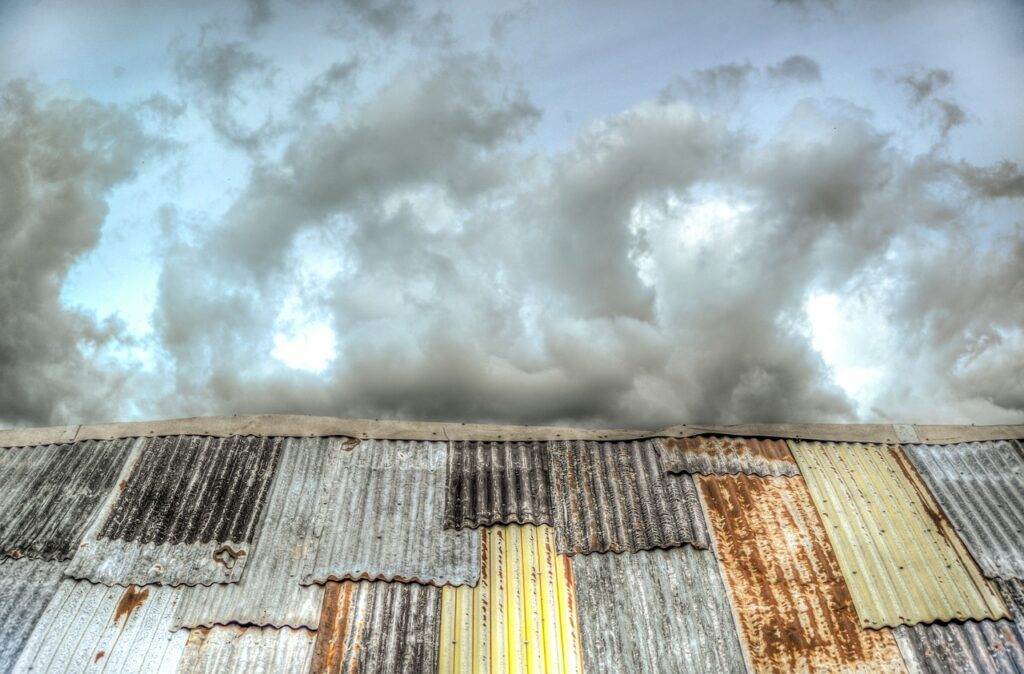
This image is property of pixabay.com.

Types of Roofing Materials

When it comes to roofing materials, there are several options available in the market. Each type of material has its own advantages and disadvantages, with some offering superior longevity compared to others. In this article, we will explore the different types of roofing materials and discuss their lifespan, allowing you to make an informed decision when it comes to choosing the right roofing material for your property.

Which Roofing Material Has the Longest Lifespan?

This image is property of pixabay.com.

Asphalt Shingles

Asphalt shingles are one of the most commonly used roofing materials. They are affordable, easy to install, and come in a variety of colors and styles to suit different architectural designs. However, when it comes to longevity, asphalt shingles usually have a shorter lifespan compared to other materials. On average, asphalt shingles can last anywhere from 15 to 30 years, depending on the quality of the shingles and the maintenance practices employed.

Metal Roofing

Metal roofing is gaining popularity due to its durability and longevity. Metal roofs can last between 40 to 70 years, making them a great investment for homeowners. Additionally, metal roofs are known for their energy efficiency as they reflect sunlight, reducing the cooling costs during the hot summer months. Metal roofs are available in various materials such as steel, aluminum, and copper, each offering their own benefits and aesthetic appeal.

Clay or Concrete Tiles

Clay or concrete tiles are known for their excellent durability and resistance to fire. These tiles can withstand harsh weather conditions, including strong winds and heavy rain. With proper maintenance and installation, clay or concrete tiles can last between 50 to 100 years. However, it is important to note that the weight of these tiles is significantly higher compared to other materials, so proper structural support is necessary.

Slate

Slate is a natural stone material that offers exceptional longevity and beauty. It is known for its resistance to fire, stain, and mold. A well-maintained slate roof can last over 100 years, making it one of the longest-lasting roofing materials available. However, slate roofing is expensive and requires professional installation due to its heavy weight.

Wood Shingles

Wood shingles are a popular choice for those looking for a unique and natural aesthetic for their roofs. However, they typically have a shorter lifespan compared to other roofing materials. On average, wood shingles can last between 20 to 30 years, but this can vary depending on the type of wood, climate, and maintenance practices. Regular inspections and treatment for potential issues like moss or rot are necessary to extend the lifespan of wood shingles.

Fiber Cement

Fiber cement roofing is a composite material consisting of cement, cellulose fibers, and sand. This type of roofing material offers excellent durability and resistance to fire, insects, and rot. Fiber cement roofs can last between 25 to 40 years, depending on the brand and quality of the material. Proper installation and regular maintenance can further enhance its longevity.

EPDM Rubber

Ethylene Propylene Diene Monomer (EPDM) rubber is a synthetic rubber material used for roofing. EPDM roofs have a proven track record of durability, with a lifespan of 25 to 35 years. They are resistant to UV radiation, ozone, and extreme temperature changes, making them suitable for various climates. Additionally, EPDM roofs are relatively easy to install and maintain.

TPO

Thermoplastic Olefin (TPO) roofing is another popular synthetic roofing material. TPO roofs are known for their energy efficiency, reflecting sunlight and reducing cooling costs. They offer excellent resistance to UV radiation, chemicals, and punctures. With proper installation and maintenance, TPO roofs can last between 20 to 30 years.

Which Roofing Material Has the Longest Lifespan?

This image is property of pixabay.com.

Factors Affecting Longevity

While the roofing material itself plays a crucial role in determining its lifespan, several other factors also influence the longevity of a roof. Some of these factors include:

  • Climate: Extreme weather conditions, such as heavy rain, strong winds, and hail, can affect the lifespan of a roof. Materials that are resistant to these weather elements tend to have a longer lifespan.

  • Installation Quality: Proper installation is vital for the longevity of any roofing material. Poor installation can lead to premature damage and reduce the overall lifespan of the roof.

  • Maintenance: Regular maintenance and inspections can prevent minor issues from developing into major problems. Cleaning debris, removing moss or algae growth, and addressing any damage promptly can extend a roof’s lifespan.

  • Roof Pitch: The pitch or slope of a roof affects how it sheds water and handles snow loads. Steeper roofs tend to have a longer lifespan as they allow water and snow to slide off more easily.

  • Ventilation: Proper ventilation is crucial to prevent heat and moisture buildup in the attic or under the roof. Good ventilation helps prolong the life of the roofing materials by preventing the rotting of wood and the growth of mold or mildew.

In conclusion, when considering the longevity of roofing materials, it is important to weigh the pros and cons of each type and consider the specific factors that may affect their lifespan. Investing in a roofing material with a longer lifespan can provide peace of mind and potentially save costs in the long run. Consulting with a professional roofing contractor can help you make an informed decision based on your specific needs and budget. Remember, regular maintenance and proper installation are key to maximizing the lifespan of any roofing material.

Source: https://roofingrepairspecialists.com/which-roofing-material-has-the-longest-lifespan/

Does homeowners insurance cover damage to shingles?

If you are a homeowner, you understand the importance of protecting your property from unexpected damages. When it comes to protecting your roof, the question often arises: does homeowners insurance cover damage to shingles? Whether it’s severe weather conditions or other unfortunate circumstances, understanding the extent of coverage provided by your insurance policy is crucial. In this article, we will explore the topic of homeowners insurance and delve into the question of whether or not it covers shingle damage, including shingles blown off due to high winds. Stay tuned for a comprehensive analysis that will help you navigate the complexities of insurance coverage for your home’s roof.

Understanding Homeowners Insurance Coverage

Basic Coverage

Homeowners insurance is an essential financial protection for homeowners. It provides coverage for a wide range of risks and damages that may occur to your property. The basic coverage of homeowners insurance typically includes protection for your dwelling, personal belongings, liability coverage, and additional living expenses in case your home becomes uninhabitable. However, it’s important to note that homeowners insurance may not cover every type of damage, and there are specific provisions and exclusions to be aware of.

Property Coverage

One of the main components of homeowners insurance is property coverage, which provides protection for your home and any structures attached to it, such as a garage or shed. Property coverage helps in the event of damage caused by fire, vandalism, or certain natural disasters. It’s important to review your policy to understand the specific details of your property coverage, including the limits and deductibles.

Perils Covered

The perils covered under homeowners insurance can vary depending on the policy and insurer. However, common perils that are typically covered include fire, lightning, windstorm, hail, and theft. It’s important to carefully review your policy to understand the specific perils covered and any limitations or exceptions.

Deductibles

Deductibles are an important aspect of homeowners insurance. They represent the amount you are responsible for paying out of pocket before your insurance coverage kicks in. The deductible amount can vary, and it’s crucial to understand how much you will be required to pay in the event of a claim. In general, policies with higher deductibles have lower premiums, while policies with lower deductibles have higher premiums.

Policy Exclusions

Although homeowners insurance provides valuable protection, it’s important to be aware of the policy exclusions. These are specific events or situations that are not covered by your insurance. Common exclusions may include damage caused by earthquakes, floods, or acts of war or terrorism. It’s essential to carefully review your policy to understand the exclusions and consider additional coverage if needed.

Shingle Damage and Homeowners Insurance

Standard Coverage

When it comes to damage to your shingles, homeowners insurance typically provides coverage under the standard dwelling coverage section of your policy. Shingle damage that is caused by covered perils, such as wind or hail, may be eligible for reimbursement. However, it’s important to review the details of your policy and any specific exclusions or limitations related to shingle damage.

Causes of Shingle Damage

Shingle damage can occur due to various causes. Some common causes include severe weather conditions, such as strong winds, hailstorms, or heavy snow and ice. Additionally, the age and condition of your shingles can play a role in their susceptibility to damage. Regular wear and tear over time can also lead to shingle damage. Understanding the causes of shingle damage can help you assess your insurance coverage and take preventive measures.

Wind Damage

Wind can cause significant damage to shingles, including tearing them off or lifting them, leaving your roof vulnerable to water penetration and further damage. Homeowners insurance typically covers wind damage to your shingles as long as it is caused by a covered peril. However, the extent of the coverage and any deductibles or limitations can vary, so it’s important to carefully review your policy.

Hail Damage

Hailstorms can be particularly destructive to shingles, causing dents, cracks, or even complete detachment. Homeowners insurance often provides coverage for hail damage to your shingles, as long as it is specified as a covered peril in your policy. However, it’s essential to review your policy to understand the scope of coverage and any applicable deductibles.

Ice and Snow Damage

The weight of ice and snow can put significant stress on your shingles, leading to damage or even collapse of your roof. Homeowners insurance may cover damage caused by ice and snow accumulation, but it’s crucial to review your policy for specific coverage details. Additionally, maintaining proper insulation and ventilation in your attic can help prevent ice dams, minimizing the risk of shingle damage.

Water Damage

Shingle damage can result in water penetration, leading to interior damage to your home. Homeowners insurance may provide coverage for water damage caused by shingle damage, but it’s important to review your policy for specific coverage details. It’s also worth noting that water damage caused by excluded perils, such as flooding, is typically not covered under a standard homeowners insurance policy.

Does homeowners insurance cover damage to shingles?

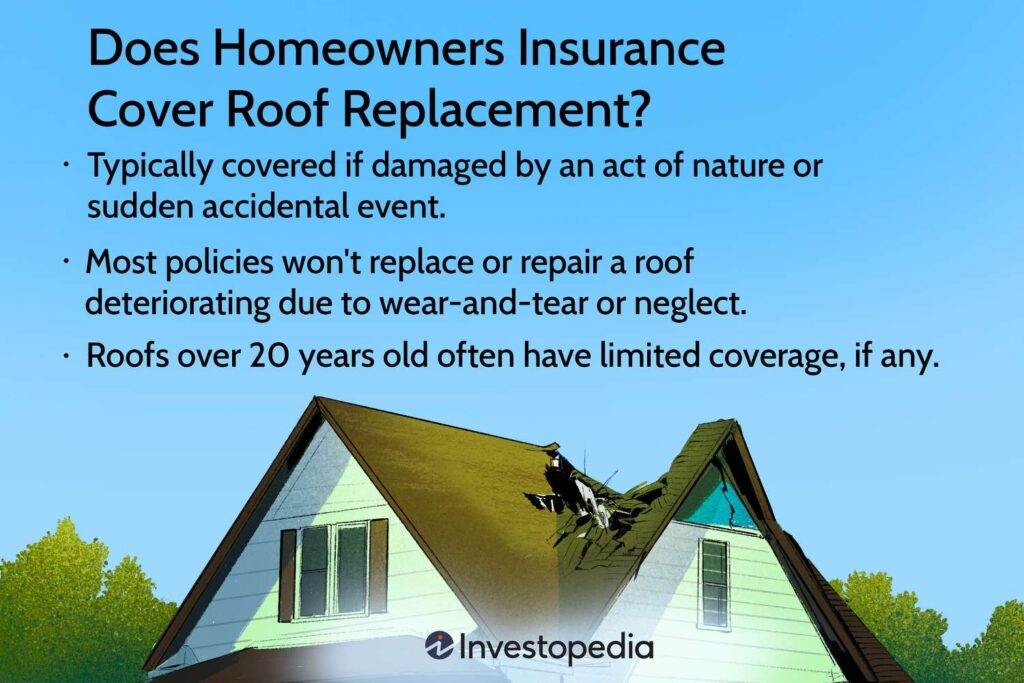
This image is property of http://www.investopedia.com.

Filing a Homeowners Insurance Claim for Shingle Damage

Assessing the Damage

If you suspect shingle damage, it’s important to assess the extent of the damage before filing an insurance claim. Carefully inspect your roof for missing or damaged shingles, cracks, or any signs of water penetration. It can be beneficial to document the damage with photographs, as this will help support your claim.

Notifying the Insurance Company

Once you have assessed the shingle damage, you should promptly notify your insurance company of the situation. Contact your insurance agent or claims department and provide them with detailed information about the damage and the date it occurred. Be prepared to provide photographs and any other supporting documentation.

Documenting the Damage

To ensure a smooth claims process, it’s crucial to document the damage thoroughly. Take clear photographs or videos of the damaged shingles and any related interior or water damage. Keep any receipts or invoices for temporary repairs or mitigation efforts. This documentation will be essential when working with the insurance adjuster and can help support your claim.

Working with Insurance Adjuster

After notifying your insurance company and providing documentation, an insurance adjuster will be assigned to assess the damage. The adjuster will schedule a visit to your property to inspect the shingle damage and determine the extent of coverage under your policy. It’s important to be present during the inspection and provide any additional information or documentation requested by the adjuster.

Claim Settlement

Once the insurance adjuster has completed their assessment, they will provide you with a claim settlement offer. This offer will detail the amount of reimbursement you are eligible to receive for the shingle damage. If you agree with the settlement offer, you can proceed with the necessary paperwork to receive your reimbursement. If you don’t agree with the settlement, you may need to negotiate with your insurance company or seek professional assistance to ensure a fair resolution.

Factors Impacting Insurance Coverage for Shingle Damage

Age and Condition of Shingles

The age and condition of your shingles can impact your insurance coverage for shingle damage. Older shingles or those in poor condition may be considered a pre-existing issue by insurance companies, leading to limitations or exclusions. Regular roof maintenance and timely replacement of worn-out shingles can help maintain your insurance coverage.

Premiums and Coverage Limits

The premiums you pay for your homeowners insurance are influenced by various factors, including the coverage limits for shingle damage. Higher coverage limits typically result in higher premiums. It’s important to review your policy and determine the adequate coverage limits for your shingles based on their value and the potential risk factors in your area.

Exclusion Clauses

Insurance policies often have exclusion clauses that specify certain events or circumstances that are not covered. It’s crucial to review these exclusion clauses in relation to shingle damage to understand any limitations or situations where coverage may be denied. If you live in an area prone to specific perils, such as hurricanes or earthquakes, you may need additional coverage or endorsements to ensure protection for shingle damage caused by these events.

Policy Endorsements

Policy endorsements are additions or modifications to your standard homeowners insurance policy. They can be used to customize your coverage and add specific protections that may not be included in the standard policy. Depending on your needs and the specific shingle damage risks you face, you may want to consider policy endorsements such as windstorm coverage or roof replacement cost endorsement.

Does homeowners insurance cover damage to shingles?

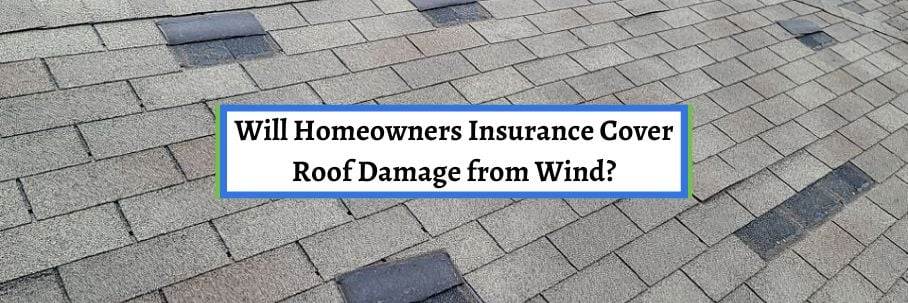
This image is property of http://www.bankrate.com.

Mitigating Shingle Damage and Preventing Insurance Claims

Regular Roof Maintenance

Proper maintenance of your roof can help mitigate shingle damage and prevent costly insurance claims. Regular inspections, cleaning of debris, and prompt repairs of any shingle damage can help prolong the lifespan of your roof. It’s also important to trim overhanging tree branches that could potentially fall and damage your roof during severe weather.

Reinforcement Measures

In areas prone to high winds or hailstorms, reinforcing your shingles can help prevent or minimize damage. You can install impact-resistant shingles that are designed to withstand severe weather conditions. Additionally, using proper roofing nails and other fastening techniques can help secure your shingles more effectively.

Insurance Discounts

Some insurance companies offer discounts for homeowners who take proactive measures to protect their property. Installing storm shutters, wind-resistant garage doors, or a lightning protection system can potentially qualify you for discounts on your homeowners insurance premiums. Discuss these options with your insurance agent to explore potential savings.

Choosing the Right Shingles

When installing or replacing your shingles, it’s important to choose materials that are durable and suitable for the climate in your area. Impact-resistant shingles and those designed to withstand high winds can provide added protection and reduce the risk of damage. Consulting with a roofing professional can help you make an informed decision and ensure the longevity of your shingles.

Additional Coverages for Shingle Damage

Roof Replacement Coverage

Roof replacement coverage provides protection in the event of severe damage to your shingles that requires a complete roof replacement. This coverage can help cover the cost of materials and labor involved in replacing your damaged roof. Review your policy to determine if you have roof replacement coverage and understand any limitations or conditions that may apply.

Code Upgrade Coverage

If your shingles need to be replaced due to damage, building codes may have changed since the initial installation of your roof. Code upgrade coverage can help cover the additional costs associated with bringing your roof up to current building code standards. This coverage can be particularly valuable if your existing shingles are no longer compliant with current regulations.

Additional Living Expenses Coverage

In the event that shingle damage renders your home uninhabitable, additional living expenses coverage can provide financial assistance for temporary accommodation, meals, and other associated costs. This coverage can help ensure that you can maintain a suitable living arrangement while your home is being repaired or rebuilt.

Debris Removal Coverage

Shingle damage can result in debris scattered around your property. Debris removal coverage helps cover the costs associated with removing and disposing of this debris. It’s important to check your policy for specific details regarding debris removal coverage and any limitations or conditions that may apply.

Does homeowners insurance cover damage to shingles?

This image is property of http://www.billraganroofing.com.

Contractor Selection and Insurance Considerations

Hiring a Licensed and Insured Contractor

When it comes to repairing or replacing your damaged shingles, it’s crucial to hire a licensed and insured contractor. Licensed contractors have met specific requirements and regulations set by their state or local authorities, ensuring their competence and adherence to industry standards. Additionally, hiring an insured contractor protects you from liability in case of any accidents or damage that may occur during the project.

Contractor Liability

Before hiring a contractor, it’s important to ensure they have liability insurance coverage. This coverage protects you from any liabilities or damages that may arise while the contractor is working on your property. Confirming the contractor’s insurance coverage and obtaining a certificate of insurance can provide peace of mind and protect your interests.

Insurance Certificate Verification

When hiring a contractor, it’s essential to verify the validity of their insurance coverage by requesting an insurance certificate. This certificate should show the contractor’s insurance company, policy number, and coverage dates. Taking the time to verify the insurance certificate helps ensure that you are hiring a contractor who has the necessary insurance coverage to protect both parties involved in the project.

Common Misconceptions about Shingle Damage Coverage

Normal Wear and Tear

One common misconception is that homeowners insurance covers shingle damage due to normal wear and tear. However, normal wear and tear is generally considered the responsibility of the homeowner and not covered by insurance. It’s important to conduct regular roof maintenance and timely shingle replacements to minimize the risk of damage due to wear and tear.

Installation Errors

Another misconception is that homeowners insurance covers shingle damage caused by installation errors. In most cases, if the shingle damage is determined to be the result of poor installation or workmanship, it is not covered by insurance. Ensuring proper installation by hiring qualified and experienced contractors can help prevent this type of damage.

Earthquake or Flood Damage

Homeowners insurance typically does not cover shingle damage caused by earthquakes or floods. These perils require separate insurance policies or endorsements. If you live in an area prone to earthquakes or floods, it’s important to consider obtaining additional coverage specific to these perils.

Acts of War or Terrorism

Damage to shingles caused by acts of war or terrorism is generally not covered by homeowners insurance. These events typically fall under exclusions related to intentional acts or acts of war. Understanding the limitations of your policy can help you assess the need for additional coverage in these situations.

Does homeowners insurance cover damage to shingles?

This image is property of http://www.forbes.com.

Reviewing Your Homeowners Insurance Policy

Policy Documentation

It’s essential to keep a documented copy of your homeowners insurance policy for reference. This documentation includes your policy contract, any endorsements or amendments, and any related documents provided by your insurance company. Keeping these documents organized and easily accessible will help you review the specific details of your coverage and make informed decisions.

Coverage Limitations

Reviewing the coverage limitations in your homeowners insurance policy is crucial. These limitations define the maximum amount the insurance company will pay in the event of a claim. By understanding the coverage limitations, you can assess whether your coverage is adequate or if additional endorsements or separate policies are necessary.

Policy Endorsements

Policy endorsements modify or add to your standard homeowners insurance policy. Reviewing the endorsements in your policy is important to understand any additional coverages or limitations they provide. Endorsements, such as increased limits or additional perils coverage, can enhance your protection and ensure specific risks, such as shingle damage, are adequately covered.

Renewal and Adjustments

Homeowners insurance policies are typically renewed annually. It’s important to carefully review the terms and conditions at each renewal to ensure they still align with your needs and the current value of your property. If you have made any significant changes or improvements to your home, it’s important to inform your insurance company to ensure your coverage is adjusted accordingly.

Conclusion

Understanding your homeowners insurance coverage for shingle damage is essential for protecting your investment and ensuring financial security. By familiarizing yourself with the basics of homeowners insurance, reviewing your policy details, and taking preventive measures, you can mitigate the risk of shingle damage and navigate the claims process more effectively. Consulting with your insurance agent or professional contractors can provide further guidance and help tailor your coverage to fit your specific needs.

Does homeowners insurance cover damage to shingles?

This image is property of eaglewatchroofing.com.

Source: https://roofingrepairspecialists.com/does-homeowners-insurance-cover-damage-to-shingles/

Why does the age of your roof matter to insurance companies?

The age of your roof is a critical factor that insurance companies consider when assessing your insurance coverage. Understanding why insurance companies inquire about the age of your roof can help you navigate the intricacies of homeowner’s insurance policies more efficiently. By evaluating the age of your roof, insurance companies can assess the potential risks associated with it, such as wear and tear, durability, and susceptibility to damage. This information allows insurers to determine the likelihood of future claims, enabling them to provide accurate coverage and pricing tailored to the specific needs of your property. Consequently, comprehending the importance of your roof’s age can empower you to make informed decisions regarding your insurance coverage, ensuring that you have adequate protection in the event of unforeseen circumstances.

Why does the age of your roof matter to insurance companies?

This image is property of http://www.harrylevineinsurance.com.

How old is your roof?

The relevance of the age of your roof to insurance companies

As a homeowner, it is important to understand that insurance companies value the age of your roof. This information is relevant to them as it helps them assess the potential risks associated with your property and determine the appropriate insurance premiums. The age of your roof directly impacts its condition and durability, which in turn affects the likelihood of damage and the potential cost of claims. Therefore, insurance companies need to consider the age of your roof when underwriting your policy to ensure accurate coverage and pricing.

The impact of the roof age on insurance premiums

One of the main factors influencing insurance premiums is risk assessment. The age of your roof plays a significant role in this assessment, as it can be an indicator of potential risks. Insurance companies generally charge higher premiums for older roofs, as they carry a higher probability of damage and potential claims. This is primarily due to the fact that older roofs may have experienced wear and tear, and are more susceptible to leaks, structural issues, and other types of damage. Therefore, if your roof is older, you can expect your insurance premiums to be higher compared to those with newer roofs.

Risk Assessment

Why insurance companies want to know the age of your roof

Insurance companies want to know the age of your roof because it helps them evaluate the potential risks associated with your property. The age of your roof is an essential factor in determining its condition and durability. By obtaining this information, insurance companies can assess the likelihood of future damage and the potential costs of claims. An older roof is more likely to have experienced wear and tear, making it more vulnerable to leaks, structural issues, and other forms of damage. Knowing the age of your roof allows insurance companies to make informed decisions regarding coverage and pricing.

Determining the potential risks associated with the roof

When insurance companies determine the potential risks associated with your roof, they consider various factors. The age of your roof is one of the most critical factors in this assessment. Older roofs are prone to a higher risk of damage due to factors such as weather exposure, material deterioration, and inadequate maintenance over time. Heavy rainfall, snowfall, windstorms, and extreme temperatures can all take a toll on an aging roof, leading to leaks, weakened structural integrity, and other issues. Therefore, insurance companies take into account the age of your roof to evaluate the potential risks and make appropriate coverage decisions.

Why does the age of your roof matter to insurance companies?

This image is property of http://www.qeiroof.com.

Roofing Materials

Different roofing materials have varying life spans

The materials used in constructing your roof can significantly impact its life span. Roofing materials have different levels of durability and longevity, which can influence how insurance companies assess coverage and premiums. For example, asphalt shingles, one of the most common roofing materials, typically have a life span of around 20 to 30 years. On the other hand, metal roofs can last much longer, often up to 50 years or more. Insurance companies consider the expected life span of the specific roofing material when evaluating the risks associated with your roof. Therefore, it is essential to disclose the type of roofing material you have to ensure accurate coverage and pricing.

How roofing materials affect insurance coverage

Insurance coverage can be affected by the type of roofing material you have. Certain materials, such as slate or metal, are generally considered more durable and less prone to damage compared to others, like asphalt shingles or wood shakes. Insurance companies may offer more comprehensive coverage and lower premiums for homes with roofing materials that have longer life spans and higher resistance to potential risks. On the other hand, homes with more vulnerable roofing materials may face limitations on coverage or higher premiums due to the increased likelihood of damage. It is crucial to discuss the specific roofing material with your insurance provider to align your coverage with the type of material and its associated risks.

Potential Damage

Understanding the susceptibility of older roofs to damage

Older roofs are inherently more susceptible to damage due to various factors. Over time, the effects of weather, UV radiation, temperature fluctuations, and general wear and tear can compromise the integrity of the roof. Shingles may become brittle and crack, flashing can deteriorate, and seals may weaken. As a result, older roofs are more vulnerable to leaks, wind damage, pest infestations, and structural issues. Insurance companies take into account the age of your roof when assessing the potential for damage, as older roofs are more likely to require repairs or replacement. It is important to understand the increased risk associated with older roofs and consider appropriate coverage options to mitigate potential financial burdens.

The increased risk of leaks and structural issues

Leakage and structural issues are common problems that older roofs face. Roof leaks can occur due to damaged or missing shingles, worn-out flashing, deteriorated seals, or poor installation. As a roof ages, it becomes more prone to these issues, which can lead to water damage inside the property, compromised ventilation, and mold growth. Additionally, an aging roof may develop structural issues, such as sagging, due to weakened support beams and rafters. Insurance companies recognize these risks and take them into consideration when evaluating coverage options. The age of your roof is an important factor in determining the potential for leaks and structural problems, affecting your insurance premiums and eligibility for certain policy types.

Why does the age of your roof matter to insurance companies?

This image is property of files.alicor.net.

Maintenance and Upkeep

The importance of regular roof maintenance

Regular maintenance is crucial to ensure the longevity and functionality of your roof. Insurance companies recognize the importance of proper roof maintenance and often require homeowners to take proactive measures in caring for their roofs. Routine inspections, gutter cleaning, removal of debris, and prompt repairs are essential to mitigate potential risks and prevent damage. By investing in regular roof maintenance, you demonstrate your commitment to protecting your property and reducing the likelihood of claims. Insurance companies may offer more favorable coverage terms and lower premiums to homeowners who can provide evidence of regular roof maintenance.

How proper upkeep can impact insurance coverage

Proper upkeep of your roof can have a positive impact on your insurance coverage. When you prioritize roof maintenance, you decrease the chances of damage and potential claims. This proactive approach is viewed favorably by insurance companies, as it demonstrates responsible homeownership. By maintaining your roof in good condition, you reduce the risk of leaks, structural issues, and other types of damage that may require insurance intervention. As a result, insurance providers may be more willing to offer comprehensive coverage at better rates, recognizing your efforts in reducing their potential liability.

Claims History

Previous roof damage and insurance claims

Insurance companies consider your claims history when evaluating your eligibility for coverage and determining premiums. If you have a history of roof damage and frequent claims, it may raise concerns for insurers. Multiple claims related to roof repairs or replacements suggest a higher risk of ongoing or recurring issues with your roof. This can result in higher premiums or even limitations on coverage for future claims. Insurance companies analyze your claims history as a reflection of the potential risks associated with your property, including the roof. It is important to be aware of your claims history and understand its impact on your insurance coverage.

The impact of past claims on future coverage

Past claims related to roof damage can impact your future insurance coverage. Insurance companies may view frequent claims as an indication of an ongoing problem with your roof. To mitigate potential financial risks, insurers may increase your premiums or impose limitations on coverage options. This is particularly true for older roofs, as they are more likely to require repairs or replacement over time. Prior claims can prompt insurers to take a closer look at the age and condition of your roof, leading to adjustments in pricing and coverage terms. Therefore, it is vital to consider the potential long-term consequences of filing roof-related claims before making a decision.

Why does the age of your roof matter to insurance companies?

This image is property of img.money.com.

Mitigating Risks

Ways to reduce the risks associated with older roofs

While older roofs may pose a higher risk of damage, there are steps you can take to mitigate these risks and ensure the longevity of your roof. Regular inspections by a professional roofer can help identify potential issues early and prevent them from escalating. Prompt repairs of damaged or deteriorated roofing components can prevent leaks and structural problems. Additionally, cleaning gutters, removing debris, and trimming overhanging branches can minimize the risk of water damage and falling debris. By taking proactive measures to maintain and reinforce your roof, you can reduce the likelihood of damage and demonstrate responsible homeownership to insurance companies.

Taking proactive steps to maintain and reinforce the roof

Maintaining and reinforcing your roof is essential to minimize potential risks associated with its age. In addition to regular inspections and repairs, there are several proactive steps you can take to safeguard your roof. Applying weather-resistant coatings, sealants, or protective membranes can enhance the roof’s durability and resistance to the elements. Adding additional layers of insulation can improve energy efficiency and prevent temperature-related issues. Reinforcing vulnerable areas, such as flashing and chimney seals, can prevent leaks and water infiltration. By investing in these preventive measures, you can reduce the risk of damage and enhance the longevity of your roof, potentially leading to more favorable insurance coverage terms.

Insurance Coverage Limitations

Potential limitations on coverage for older roofs

When it comes to older roofs, insurance coverage may come with certain limitations. Insurance companies may impose age-based restrictions on coverage for roofs that are beyond a certain age threshold. For instance, if your roof is over 20 years old, insurers may limit coverage to actual cash value rather than full replacement cost. Actual cash value coverage takes depreciation into account, meaning you may receive a lower payout if a covered peril damages your roof. Additionally, insurance providers may exclude certain perils, such as wind or hail damage, from coverage altogether for older roofs. It is crucial to review your policy carefully and understand any limitations or exclusions that may apply to your roof based on its age.

Age-based restrictions on reimbursement

In the case of older roofs, insurance companies may apply age-based restrictions on reimbursement. As roofs age, their value depreciates due to wear and tear. In the event of damage, insurance providers may calculate the reimbursement amount based on the actual cash value of the roof rather than its full replacement cost. Actual cash value takes into account the age and condition of the roof, resulting in a lower payout. It’s important to be aware of this depreciation factor and consider the potential financial implications when selecting insurance coverage for an aging roof. Understanding the limitations on reimbursement can help you make informed decisions and plan accordingly for any necessary repairs or replacements.

Why does the age of your roof matter to insurance companies?

This image is property of http://www.mutualbenefitgroup.com.

Inspection Requirements

Insurance company inspections for older roofs

Insurance companies may require inspections for older roofs as part of their underwriting process. These inspections aim to assess the condition and potential risks associated with the roof. During the inspection, a professional from the insurance company or an independent inspector evaluates the roof’s age, material, condition, and overall durability. They may also check for signs of damage, leaks, inadequate maintenance, or other issues that could impact coverage. The purpose of these inspections is to provide insurers with accurate information to make informed decisions about coverage and pricing. It is important to comply with any inspection requirements from your insurance provider to ensure accurate assessment and coverage for your roof.

The need for professional roof assessments

Professional roof assessments are crucial when it comes to accurately evaluating the age, condition, and potential risks of your roof. While you may have a general understanding of the age of your roof, a professional inspector can provide a comprehensive analysis. They have the expertise to identify signs of damage, deteriorated materials, inadequate maintenance, and other issues that may affect your insurance coverage. Additionally, professional assessments can help you identify any necessary repairs or maintenance steps to minimize risks and maintain the functionality of your roof. By relying on professional evaluations, you can ensure accurate information is provided to insurance companies and make informed decisions about your coverage needs.

Renovation and Replacement

Implications of renovating or replacing an old roof

Renovating or replacing an old roof can have significant implications for your insurance policy. If you decide to renovate your roof, such as upgrading to more durable materials or improving its structural integrity, it can potentially lead to better coverage terms and lower premiums. By investing in a new roof, you are reducing the risks associated with an older one and demonstrating responsible homeownership. On the other hand, if you choose not to address an aging roof and it becomes increasingly vulnerable to damage, insurance companies may impose limitations on coverage or increase your premiums. Renovating or replacing an old roof can be a proactive measure to enhance your insurance policy and protect your property.

How upgrades can affect insurance policies

Upgrading your roof can have a positive impact on your insurance policy. Insurance companies often offer more favorable coverage terms and lower premiums for homes with newer, more durable roofs. By upgrading to materials with longer life spans and higher resistance to damage, you are reducing the likelihood of future claims and potential financial risks. Additionally, improvements in the structural integrity of your roof can provide better protection against windstorms, hail, and other perils, resulting in increased insurance coverage options. When considering roof upgrades, it is essential to inform your insurance provider to ensure accurate assessment and potentially enjoy the benefits of enhanced coverage and lower premiums.

In conclusion, the age of your roof holds significant importance for insurance companies. It impacts risk assessment, insurance premiums, coverage limitations, and the potential for claims. The age of your roof, along with its material and condition, is an essential factor in evaluating the potential risks associated with your property. Older roofs are more vulnerable to damage, particularly leaks and structural issues. Proper maintenance and upkeep are crucial to mitigating risks and demonstrating responsible homeownership. Insurance companies may impose age-based restrictions on coverage and reimbursement for older roofs. Additionally, inspections and professional roof assessments play a vital role in providing accurate information to insurance providers. Renovating or replacing an old roof can lead to better coverage terms and lower premiums. By understanding the relevance of the age of your roof to insurance companies, you can make informed decisions to protect your property and secure appropriate coverage.

Source: https://roofingrepairspecialists.com/why-does-the-age-of-your-roof-matter-to-insurance-companies/

What to Do if it Rains After Applying Flex Seal

If you find yourself in the unfortunate situation of rain falling shortly after applying Flex Seal, it’s vital to know the appropriate steps to take. Rain can potentially affect the drying process of Flex Seal, impacting its effectiveness and durability. In this article, we will explore the necessary actions to mitigate any potential damage caused by rain and ensure that your Flex Seal application remains intact and fully functional.

What Happens if it Rains After Applying Flex Seal?

What to Do if it Rains After Applying Flex Seal

This image is property of i.ytimg.com.

Understanding Flex Seal and its Waterproof Properties

Flex Seal is a popular waterproofing product that is used to seal and protect various surfaces from water damage. It is known for its ability to create a durable, flexible barrier that prevents water from seeping through. When applied correctly, Flex Seal forms a strong bond with the surface, protecting it from rain, leaks, and moisture. Its versatility allows it to be used on a wide range of materials such as metal, plastic, wood, and even fabric.

Immediate Actions to Take After Rain Exposure

If it rains after applying Flex Seal, it is important to take immediate action to prevent any potential damage. The first step is to inspect the area where Flex Seal was applied and check for signs of water penetration. Look for any leaks or areas where the water may have seeped through. If there are any visible signs of water damage, it is crucial to address the issue promptly.

What to Do if it Rains After Applying Flex Seal

This image is property of flexsealproducts.com.

Assessing the Damage

After the rain exposure, it is essential to assess the extent of the damage caused by the water. Check if the Flex Seal coating has been compromised or if there are any areas where the water has penetrated. Look for any bubbling or peeling of the Flex Seal, as this indicates that the water has weakened the bond between the sealant and the surface. This assessment will help determine the next steps to be taken.

Reapplication of Flex Seal

If the initial application of Flex Seal has been compromised by rain, it may be necessary to reapply the product to ensure maximum protection. Before reapplying, it is crucial to thoroughly dry the surface and remove any debris or dirt, as these can affect the bonding process. Follow the manufacturer’s instructions carefully and apply a new layer of Flex Seal over the affected area. Allow sufficient drying time before exposing the surface to any further rain or moisture.

What to Do if it Rains After Applying Flex Seal

This image is property of http://www.therip.com.

Moving Forward with Alternative Solutions

In some cases, the damage caused by rain may be too severe for Flex Seal to provide an effective solution. If the surface still shows signs of water penetration after reapplication, it may be necessary to consider alternative solutions. Consulting with a professional in waterproofing or contacting the manufacturer for guidance can help determine the best course of action. They may recommend other products or methods that are better suited to the specific situation.

Preventive Measures for Future Rain Exposure

To prevent future rain damage, it is important to take preventive measures after applying Flex Seal. Regular inspections and maintenance are necessary to ensure the continued effectiveness of the sealant. Check for any signs of wear and tear or areas where the Flex Seal may have deteriorated. Promptly address any issues by reapplying the product or implementing alternative waterproofing measures. Additionally, it is advisable to keep an eye on weather forecasts and take appropriate precautions during heavy rain or stormy conditions.

What to Do if it Rains After Applying Flex Seal

This image is property of flexsealproducts.com.

Contacting the Flex Seal Customer Support

If you encounter any difficulties or have questions regarding the application or performance of Flex Seal, it is recommended to reach out to the manufacturer’s customer support. They have a team of experts who can provide guidance and assistance based on their extensive knowledge of the product. They can address specific concerns, recommend solutions, and offer valuable advice on how to handle rain exposure after using Flex Seal.

Common FAQs about Rain and Flex Seal

  1. Can Flex Seal be applied to wet surfaces? No, it is important to apply Flex Seal to a clean and dry surface for optimal results. If the surface is wet, it must be thoroughly dried before applying the sealant.
  2. How long does Flex Seal take to dry? The drying time of Flex Seal varies depending on factors such as temperature and humidity. It is advisable to wait at least 24 hours before subjecting the surface to rain or moisture.
  3. Can Flex Seal withstand heavy rain or storms? Flex Seal is designed to provide waterproof protection, but its effectiveness may vary depending on the severity of the rain or storm. It is recommended to take additional precautions during extreme weather conditions.

What to Do if it Rains After Applying Flex Seal

This image is property of flexsealproducts.com.

Safety Considerations

When dealing with Flex Seal and rain exposure, it is important to prioritize safety. Always follow the manufacturer’s instructions for proper application and use protective gear such as gloves and goggles when handling the product. If the surface has been compromised by rain, be cautious when inspecting and reapplying the sealant, as wet surfaces can be slippery and pose a safety hazard. If in doubt, consult with professionals or the manufacturer for expert advice.

Conclusion

While Flex Seal is a reliable waterproofing solution, it may not be completely impervious to heavy rain or severe weather conditions. In the event that rain occurs shortly after applying Flex Seal, it is crucial to take immediate action and assess any potential damage. By following the recommended steps, such as reapplying the product, seeking alternative solutions if necessary, and implementing preventive measures for future rain exposure, you can ensure the longevity and effectiveness of your Flex Seal application. Remember to prioritize safety at all times and seek assistance from the manufacturer’s customer support when needed.

Source: https://roofingrepairspecialists.com/what-to-do-if-it-rains-after-applying-flex-seal/

How thick will Flex Seal dry?

Flex Seal is a pioneering waterproof sealant that has gained significant popularity in the market due to its remarkable effectiveness. As we explore the distinctive features of this remarkable product, one pressing question arises: how thick does Flex Seal dry? Understanding the drying thickness of this versatile sealant not only provides valuable insights into its application and durability but also highlights its ability to withstand various environmental conditions. In this article, we will delve into the fascinating world of Flex Seal, shedding light on its drying thickness and the implications it holds for both professional and DIY enthusiasts alike.

How thick will Flex Seal dry?

This image is property of flexsealproducts.com.

Flex Seal Drying Process

Flex Seal is a widely popular product known for its ability to seal cracks and leaks, waterproof surfaces, and protect against rust and corrosion. To ensure the best results when using Flex Seal, it is essential to understand the drying process and the factors that can affect its drying time. This article will guide you through the optimal drying conditions, surface preparation, application methods, recommended coating thickness, drying time, factors influencing drying thickness, additional tips and guidelines, common concerns and solutions, as well as the various applications and benefits of Flex Seal.

Factors Affecting Drying Time

Several factors can influence the drying time of Flex Seal. The primary factors include ambient temperature, humidity levels, and the thickness of the applied coating. Generally, higher temperatures and lower humidity levels will expedite the drying process. On the other hand, cooler temperatures and higher humidity can prolong the drying time. Additionally, the thickness of the applied coating will also affect the drying time, with thicker coats requiring more time to dry compared to thinner coats.

Optimal Drying Conditions

To achieve the optimal drying conditions for Flex Seal, it is important to consider the ambient temperature and humidity levels. Ideally, the temperature should be above 60°F (15°C) for optimal drying. Lower temperatures can significantly lengthen the drying time. Additionally, the humidity levels should be below 70% to ensure proper drying. Higher humidity can hinder the drying process and lead to suboptimal results.

Drying Time Range

The drying time of Flex Seal can vary based on several factors, including the application method, thickness of the coating, ambient conditions, and the number of coats applied. Generally, the drying time can range from 24 to 48 hours. However, it is important to note that these are approximate drying times, and factors such as humidity and temperature can significantly impact the overall drying time. It is recommended to allow sufficient time for the product to dry completely before subjecting it to any additional stress or exposure.

How thick will Flex Seal dry?

This image is property of cdn.shopify.com.

Surface Preparation

Proper surface preparation is crucial for the effective application and drying of Flex Seal. The surface should be clean, free from any dirt, oil, grease, or other contaminants that may interfere with the adhesion of the product. Failure to properly clean the surface can result in poor adhesion and compromised sealing properties. Additionally, rough surfaces should be smoothed and priming is recommended for certain surfaces to enhance adhesion and ensure better results.

Cleaning the Surface

Before applying Flex Seal, it is essential to thoroughly clean the surface. Use a suitable cleaner or detergent to remove any dirt, oil, grease, or other contaminants. Scrub the surface gently with a brush or sponge to ensure proper cleaning. Rinse the surface thoroughly with water and allow it to dry completely before proceeding with the application.

How thick will Flex Seal dry?

This image is property of flexsealproducts.com.

Smoothing Rough Surfaces

If the surface to be sealed is rough or uneven, it is recommended to smooth it before applying Flex Seal. Depending on the severity of the roughness, sandpaper or a sanding block can be used to smoothen the surface. Care should be taken to ensure that the surface is even and free from any irregularities that may affect the quality of the seal.

Priming the Surface

In certain cases, priming the surface before applying Flex Seal can enhance adhesion and provide better results. Priming is particularly useful for porous surfaces or surfaces that are known to have poor adhesion properties. Choose a suitable primer based on the surface material and follow the manufacturer’s instructions for application. Allow the primer to dry completely before proceeding with the application of Flex Seal.

How thick will Flex Seal dry?

This image is property of flexsealproducts.com.

Applying Flex Seal

Flex Seal offers three primary application methods: spray, brush, and roller. Each method has its own advantages and is suitable for different types of surfaces and projects.

Spray Application

For large areas or surfaces that require a uniform coating, the spray application method is ideal. Using the Flex Seal spray can, hold it approximately 8 to 12 inches away from the surface and apply an even coat by sweeping the can across the area. Ensure that the spray is applied in a continuous motion without overlapping or pooling. It is recommended to apply multiple thin coats rather than a single thick coat to promote better drying and adhesion.

Brush Application

Brush application is suitable for smaller areas or surfaces that require precision. Use a high-quality brush to apply Flex Seal evenly onto the surface. Choose an appropriate brush size based on the size of the area to be sealed. Apply the product using smooth and even brush strokes, ensuring that the coating is of uniform thickness. Again, multiple thin coats are recommended for optimal results.

Roller Application

The roller application method is typically used for larger surfaces that require an even and uniform coating. Use a high-quality roller with a suitable nap size for the specific surface. Pour Flex Seal into a roller tray and roll the roller in the tray to evenly distribute the product. Apply the product to the surface using the roller, ensuring that the coating is smooth and consistent. Similar to the other application methods, multiple thin coats are preferred over a single thick coat.

Recommended Coating Thickness

The recommended coating thickness for Flex Seal depends on the specific application and desired results. Flex Seal can be applied in single or multiple coats, depending on the level of protection and coverage required.

Single Coat Thickness

A single coat of Flex Seal should typically be applied at a thickness of approximately 10 mils (0.01 inches). This thickness provides sufficient sealing and protection for most applications. However, it is important to consider the specific requirements and condition of the surface being sealed. For certain projects, multiple coats may be required to achieve the desired results.

Multiple Coat Thickness

When applying multiple coats of Flex Seal, each coat should be approximately 10 mils thick. It is crucial to allow each coat to dry completely before applying the next coat. This ensures proper bonding between the layers and enhances the overall effectiveness of the seal. Multiple coats can provide additional protection and improve the durability of the seal.

Thick Build-up Application

In some cases, a thicker build-up of Flex Seal may be necessary, especially for areas with larger cracks or leaks. Thicker applications should be done in multiple layers, allowing each layer to dry before applying the next one. It is important to note that thicker build-ups will require longer drying times and may affect the overall drying process. Carefully follow the recommended drying times to ensure the best results.

How thick will Flex Seal dry?

This image is property of flexsealproducts.com.

Drying Time

The drying time of Flex Seal varies depending on several factors, including the ambient conditions, application method, and thickness of the applied coating. Understanding the different stages of drying will help in determining when it is safe to handle or proceed with further actions.

Initial Drying Time

The initial drying time of Flex Seal refers to the time it takes for the product to become touch dry. Generally, this occurs within 2 to 3 hours after application. However, it is important to remember that the final drying and curing process takes longer, and premature handling can lead to damage to the applied seal.

Touch Dry Time

The touch dry time indicates when the surface is dry to the touch and can be handled without causing damage. Touch dry time for Flex Seal typically ranges from 4 to 6 hours. However, it is advisable to allow extra time in cooler or more humid conditions to ensure thorough drying and avoid any potential issues.

Complete Drying Time

The complete drying time for Flex Seal can vary depending on the factors mentioned earlier. Generally, it is recommended to allow a minimum of 24 to 48 hours for the product to dry completely before exposing it to external elements or applying additional stress. It is crucial to follow the recommended drying times to avoid any compromise in the quality of the seal.

Factors Influencing Drying Thickness

Various factors can influence the thickness of the Flex Seal coating during the drying process. Understanding these factors will help in achieving optimal results and avoiding any issues with the applied seal.

Ambient Temperature and Humidity

The ambient temperature and humidity levels directly impact the drying time and thickness of the applied coating. Higher temperatures and lower humidity levels typically result in faster drying, while lower temperatures and higher humidity can prolong the drying process. It is important to consider these factors and ensure that the drying conditions are within the recommended range for the best results.

Exposure to Air Circulation

Exposure to proper air circulation can facilitate the drying process and help in achieving the desired coating thickness. Good air circulation allows moisture to evaporate faster, reducing the chances of thick build-ups or drying issues. To enhance air circulation, ensure that the application area is well-ventilated and consider using fans or other means of air movement to expedite the drying process.

Number of Coats Applied

The number of coats applied can affect the drying time and thickness of the Flex Seal coating. Applying multiple thin coats, as recommended, allows each layer to dry properly and enhances the overall effectiveness of the seal. Thicker build-ups or excessive coats can extend the drying time and may cause issues with the final seal. It is important to follow the recommended number of coats for the specific application and surface condition.

Additional Tips and Guidelines

In addition to the specific instructions provided for the drying process and application methods, here are some additional tips and guidelines to ensure the best results when using Flex Seal:

Avoiding Thick Application

To prevent thick application and ensure proper drying, it is recommended to apply multiple thin coats of Flex Seal rather than a single thick coat. Thicker coatings can lead to longer drying times and may impact the overall effectiveness of the seal. Carefully follow the recommended coating thickness and drying times to achieve optimal results.

Maintaining Proper Drying Conditions

Maintaining proper drying conditions is essential for the effective drying and curing of Flex Seal. Ensure that the ambient temperature is above 60°F (15°C) and the humidity levels are below 70%. Avoid applying Flex Seal in extremely cold or humid conditions, as this can significantly prolong the drying time and compromise the quality of the seal.

Ensuring Sufficient Drying Time

Allowing sufficient drying time is crucial to ensure that the Flex Seal coating has fully cured and hardened. Rushing the drying process or handling the sealed surface prematurely can result in damage to the applied seal. Follow the recommended drying times and exercise patience when waiting for the product to dry completely.

Common Concerns and Solutions

When working with Flex Seal, a few common concerns may arise. Here are some of these concerns and their respective solutions:

Flex Seal Staying Sticky

If the Flex Seal coating remains sticky after the recommended drying time, it could indicate that the product was applied too thickly or that the ambient conditions were not optimal for drying. In such cases, it is advisable to allow additional drying time and reevaluate the drying conditions. If the stickiness persists, contacting the manufacturer or seeking professional assistance may be necessary.

Bubbling or Cracking of Dried Flex Seal

Bubbling or cracking of the dried Flex Seal coating can occur due to improper application or inadequate surface preparation. To resolve this issue, carefully inspect the surface for any irregularities, such as dirt, oil, or contaminants. If necessary, clean and prepare the surface again before reapplying Flex Seal. It is also important to follow the recommended drying times to allow the product to cure properly.

Applications and Benefits

Flex Seal offers a wide range of applications and benefits. Some of the key applications and benefits of using Flex Seal include:

Sealing Cracks and Leaks

Flex Seal effectively seals cracks and leaks in various surfaces, including roofs, pipes, gutters, and more. It provides a protective barrier that prevents water penetration, ensuring comprehensive sealing.

Waterproofing Surfaces

Flex Seal acts as a water-resistant barrier, making it an excellent choice for waterproofing surfaces. It can be used on indoor and outdoor projects to prevent water damage and extend the longevity of structures.

Protecting Against Rust and Corrosion

The protective properties of Flex Seal make it an effective solution for protecting surfaces against rust and corrosion. It creates a durable barrier that shields surfaces from moisture, preventing the formation of rust and corrosion over time.

Conclusion

Flex Seal is a versatile and reliable solution when it comes to sealing cracks, waterproofing surfaces, and providing protection against rust and corrosion. Understanding the different factors that influence the drying time, optimal drying conditions, recommended coating thickness, and effective application methods will ensure that you achieve the best results when using Flex Seal. By following the tips, guidelines, and solutions provided in this article, you can confidently apply and utilize Flex Seal for various projects, knowing that you have taken the necessary steps for successful outcomes.

Source: https://roofingrepairspecialists.com/how-thick-will-flex-seal-dry/

Can Flex Seal Peel Off?

Flex Seal, a reputable and versatile product, has gained popularity for its ability to provide an airtight seal on various surfaces. However, one question that often arises is whether Flex Seal can withstand the test of time and remain firmly adhered, or if it is prone to peeling off. In this article, we will explore the durability of Flex Seal and address the common concern of whether it can withstand peeling, ultimately providing you with valuable insights to make an informed decision.

Can Flex Seal Peel Off?

Can Flex Seal Peel Off?

This image is property of http://www.wikihow.com.

Introduction

Flex Seal is a popular and highly regarded sealant that is known for its ability to create a watertight and airtight seal on a variety of surfaces. It has gained a lot of attention and gained a strong reputation for its strength, durability, and versatility. However, one question that often arises when using Flex Seal is whether or not it can peel off. In this article, we will explore the factors that can affect Flex Seal’s adhesion, how to properly remove Flex Seal if necessary, and provide some insights into the different methods that can be used.

What is Flex Seal?

Before delving into the topic of whether Flex Seal can peel off, it is important to understand what exactly Flex Seal is. Flex Seal is a liquid rubberized coating that is designed to be applied on various surfaces to provide a protective barrier against water, air, and moisture. It is widely used for sealing leaks, cracks, and gaps on different materials such as metal, wood, plastic, and concrete. Flex Seal comes in different forms, including spray cans, liquid bottles, and tape, providing users with options depending on the specific needs of their project.

Can Flex Seal Peel Off?

This image is property of gudgear.com.

The Application Process

To achieve optimal results and ensure the longevity of the seal, it is essential to follow the correct application process when using Flex Seal. First, the surface must be thoroughly cleaned and free from any dirt, grease, or oil. This can be done by using soap and water or a suitable cleaner. Once the surface is clean and dry, the Flex Seal can be applied using either a brush, roller, or sprayed directly from the can. It is recommended to apply multiple thin coats, allowing each coat to dry completely before applying the next one. Following the application process correctly will help to enhance the adhesion of Flex Seal to the surface and reduce the likelihood of it peeling off.

Factors That Affect Flex Seal’s Adhesion

Several factors can influence the adhesive properties of Flex Seal and determine whether it will peel off or maintain a strong bond with the surface. These factors include temperature and weather conditions, surface preparation, the type of surface, exposure to chemicals and solvents, and the specific type of Flex Seal product used.

Can Flex Seal Peel Off?

This image is property of flexsealproducts.com.

Temperature and Weather Conditions

Temperature and weather conditions play a significant role in the adhesion of Flex Seal. It is crucial to consider the ideal temperature range for applying Flex Seal, as extreme temperatures can affect its ability to bond effectively. For most Flex Seal products, the recommended application temperature range is between 60°F to 90°F (15°C to 32°C). Applying Flex Seal outside of this temperature range may result in improper adhesion, which could potentially lead to peeling.

Additionally, weather conditions such as rain, snow, or high humidity can also impact the bonding process of Flex Seal. It is advisable to choose a clear, dry day for application and allow sufficient time for the sealant to cure before exposing it to any adverse weather conditions.

Surface Preparation

Proper surface preparation is essential for achieving strong adhesion with Flex Seal. The surface must be clean, dry, and free from any loose particles or contaminants. Depending on the surface type, it may be necessary to sand or roughen the area to create a better bonding surface. For smooth surfaces, it is recommended to clean the area thoroughly and consider using a primer specifically designed to enhance adhesion.

Can Flex Seal Peel Off?

This image is property of flexsealproducts.com.

Type of Surface

Different surfaces may have varying levels of adhesion with Flex Seal. Generally, Flex Seal adheres well to a variety of materials, including metal, wood, plastic, and concrete. However, the condition and texture of the surface can influence its ability to bond effectively. Surfaces that are already damaged, decayed, or have loose particles may not provide the ideal conditions for a strong bond. In such cases, it is advisable to repair or replace the damaged area before applying Flex Seal.

Exposure to Chemicals and Solvents

Flex Seal is known for its resistance to water, moisture, and some chemicals. However, exposure to certain chemicals or solvents can weaken its adhesive properties and potentially cause it to peel off. It is important to be aware of the specific chemicals or solvents that may come into contact with the sealed surface and ensure that they are compatible with Flex Seal. If there is a possibility of exposure to harsh chemicals, it is recommended to consult the manufacturer’s guidelines or test a small area before applying Flex Seal.

Can Flex Seal Peel Off?

This image is property of flexsealproducts.com.

Type of Flex Seal Product

Different types of Flex Seal products are available, including liquid spray, liquid brush-on, and tape. The type of product used can also impact its adhesion and susceptibility to peeling off. In general, all Flex Seal products are designed to provide a strong bond, but it is crucial to select the appropriate product for the specific application and follow the manufacturer’s instructions accordingly.

How to Remove Flex Seal

While Flex Seal is designed to create a long-lasting seal, there might be instances where removal is necessary. Whether it is due to application errors or the need for repairs, there are several methods that can be employed to remove Flex Seal effectively.

Peeling Off Flex Seal

If Flex Seal is applied in layers, it is possible to peel it off manually. However, this method may not be suitable for all surfaces. Care should be taken to avoid any damage to the underlying surface while peeling off Flex Seal. Using a plastic scraper or a putty knife can help in gently lifting and removing the sealant layer by layer.

Using Solvents

In some cases, using solvents can aid in the removal of Flex Seal. Common solvents such as acetone or mineral spirits can be applied to the sealed area using a cloth or sponge. It is important to note that solvents may have different effects on various surfaces, and testing on a small inconspicuous area is recommended before proceeding with the full removal process. It is crucial to follow proper safety precautions when working with solvents, such as ensuring good ventilation and wearing appropriate protective gear.

Gently Scraping

For surfaces that may be more delicate or sensitive to solvents, gently scraping off Flex Seal with a plastic scraper or a soft-bristle brush can be a viable option. This method requires patience and careful attention to avoid scratching or damaging the surface. It is important to take breaks and assess the progress regularly to prevent any unintended damage.

Heat Application

Heat can also be used as a method to remove Flex Seal. Applying heat to the sealed area using a heat gun or a hairdryer can soften the sealant, making it easier to scrape off. However, caution must be exercised to prevent overheating or damaging the surface. Gradually heating the Flex Seal and using a plastic scraper or a soft cloth to remove it can yield effective and efficient results.

Conclusion

In conclusion, while Flex Seal is known for its strong adhesion and durability, there are circumstances where it may need to be removed. Factors such as temperature and weather conditions, surface preparation, the type of surface, exposure to chemicals and solvents, and the specific type of Flex Seal product used can all affect the adhesive properties of Flex Seal. If removal is necessary, methods such as peeling off, using solvents, gently scraping, or applying heat can be employed to remove Flex Seal effectively. By following proper application techniques and considering the specific circumstances of the project, the risk of peeling or the need for removal can be minimized.

Source: https://roofingrepairspecialists.com/can-flex-seal-peel-off/

Does Flex Seal last when exposed to sunlight?

Flex Seal, a popular product in the world of home repairs, has gained attention for its claims of effectively sealing leaks and cracks. However, a crucial question that surfaces when considering its durability is whether Flex Seal can withstand the relentless onslaught of sunlight. This article delves into this inquiry, examining the potential effects of sunlight exposure on Flex Seal’s endurance. By exploring scientific research and consumer experiences, it aims to provide a comprehensive understanding of whether this remarkable sealant stands the test of time when faced with the formidable power of the sun.

Does Flex Seal last when exposed to sunlight?

This image is property of gudgear.com.

What is Flex Seal?

Overview of Flex Seal

Flex Seal is a versatile rubberized sealant that is designed to provide exceptional protection against leaks, cracks, and damages. It is a popular choice for both domestic and industrial applications due to its ability to create a flexible, watertight barrier on various surfaces. Whether it is sealing a leak in a pipe, protecting a roof from water damage, or preventing moisture infiltration in a basement, Flex Seal is a go-to solution for many individuals and professionals alike.

Types of Flex Seal

Flex Seal offers a range of products to cater to different needs and applications. The most commonly used types of Flex Seal are:

  1. Flex Seal Liquid: This is the original formula that comes in a liquid form. It can be applied with a brush, roller, or sprayer, making it convenient for different projects. Flex Seal Liquid is known for its excellent adhesion and the ability to create a strong, flexible coating on surfaces.

  2. Flex Seal Spray: This type of Flex Seal is a convenient option for quick and easy applications. It comes in an aerosol can, allowing for precise and even coverage. Flex Seal Spray is ideal for covering larger areas or hard-to-reach spots.

  3. Flex Seal Tape: Flex Seal Tape is specifically designed for sealing leaks and cracks. It is a strong, adhesive tape that can instantly create a watertight seal on various surfaces. This tape is durable, flexible, and resistant to harsh weather conditions.

With these options, you can choose the type of Flex Seal that best suits your specific needs and the nature of the surface you are working with.

Understanding Sunlight Exposure

Effects of Sunlight on Materials

Sunlight, particularly UV radiation, can have damaging effects on various materials over time. When materials are exposed to sunlight, they undergo a process called photooxidation, which causes the breakdown and degradation of their molecular structure. This can lead to the fading, cracking, weakening, or even disintegration of the exposed materials.

UV Radiation

UV radiation, a component of sunlight, is particularly harmful to materials. It consists of three types of rays, namely UVA, UVB, and UVC. UVA rays have the longest wavelength and can penetrate deep into materials, causing long-term damage. UVB rays have a shorter wavelength and primarily affect the surface layers of materials. UVC rays have the shortest wavelength and are mostly absorbed by the Earth’s atmosphere.

It is important to note that UV radiation is not limited to sunny days or warm climates. Even on cloudy or overcast days, UV rays can still penetrate through the clouds and cause damage to materials.

How Sunlight Affects Flex Seal

Flex Seal is designed to be a durable and long-lasting sealant. However, like any other material, it can be affected by prolonged exposure to sunlight. The sun’s UV radiation can gradually weaken the molecular structure of Flex Seal over time, causing it to become less flexible and more prone to cracking or peeling. However, the extent of the damage will depend on various factors, including the specific type of Flex Seal product, the application method, surface preparation, environmental conditions, and frequency of sunlight exposure.

Does Flex Seal last when exposed to sunlight?

This image is property of http://www.billraganroofing.com.

Flex Seal’s Sunlight Resistance

Manufacturer’s Claims

Flex Seal’s manufacturer, Swift Response LLC, claims that their products have UV resistance to withstand sunlight exposure. According to their website, Flex Seal is designed to be “sunlight resistant” and can provide protection against UV damage. They claim that their products can maintain their effectiveness and flexibility even in direct sunlight.

Third-Party Testing

To assess the validity of the manufacturer’s claims, various third-party testing and evaluation organizations have conducted tests on Flex Seal’s sunlight resistance. These tests evaluate the physical properties of the product under simulated sunlight exposure and determine its durability and longevity.

While there is limited information available on specific testing results, some independent evaluations have indicated that Flex Seal does demonstrate a certain degree of sunlight resistance. However, it is important to note that individual results may vary depending on the specific conditions of use.

Customer Experiences

A valuable source of information on Flex Seal’s performance in sunlight comes from customer experiences. Many individuals have shared their feedback and reviews online, discussing the product’s durability and effectiveness under sunlight exposure.

Customer experiences with Flex Seal and sunlight resistance are mixed. Some users have reported positive results, claiming that Flex Seal held up well even after prolonged exposure to sunlight. They found that the sealant remained intact and provided the expected protection against leaks and damages.

On the other hand, there are also users who have reported issues with Flex Seal breaking down or deteriorating when exposed to sunlight. They have observed cracking, peeling, or loss of adhesion over time, leading to the need for reapplication or additional protective measures.

It is important to consider both positive and negative customer experiences to make an informed decision about using Flex Seal in sunlight-exposed areas.

Factors Affecting Flex Seal’s Longevity in Sunlight

While Flex Seal’s sunlight resistance is influenced by various factors, the following key elements are crucial in determining its longevity and performance:

Type of Flex Seal Product

Different types of Flex Seal products may have varying levels of resistance to sunlight. For example, Flex Seal Liquid and Flex Seal Tape may offer different levels of UV protection and durability. It is essential to choose the product that is most suitable for your specific application and the expected exposure to sunlight.

Application Method

The proper application of Flex Seal plays a significant role in its performance under sunlight exposure. Following the manufacturer’s instructions and applying the product evenly and thoroughly can enhance its ability to withstand UV radiation. Inadequate application, such as applying too thin a layer or not ensuring proper coverage, may lead to reduced sunlight resistance.

Surface Preparation

Proper surface preparation is crucial for the long-term performance of Flex Seal in sunlight-exposed areas. It is essential to clean the surface thoroughly, removing any dirt, grease, or contaminants that may affect the adhesion of the sealant. A clean and dry surface promotes better adherence and improves the overall durability of the seal.

Environmental Conditions

The environmental conditions in which Flex Seal is applied and exposed to sunlight can significantly impact its performance. Factors such as temperature fluctuations, humidity levels, and exposure to other elements like rain, snow, or chemicals can accelerate the degradation of the sealant. Extreme or harsh environmental conditions may require additional protective measures to ensure the longevity of Flex Seal.

Frequency of Sunlight Exposure

The frequency of sunlight exposure that Flex Seal experiences is an important factor in its long-term performance. Continuous or prolonged exposure to direct sunlight can expedite the degradation process. If the area where Flex Seal is applied is consistently exposed to sunlight throughout the day, it may require more regular inspection and maintenance to monitor its condition.

Does Flex Seal last when exposed to sunlight?

This image is property of flexsealproducts.com.

Tips for Maximizing Flex Seal’s Performance in Sunlight

To maximize the performance and lifespan of Flex Seal in sunlight-exposed areas, consider the following tips:

Proper Application

Follow the manufacturer’s instructions carefully when applying Flex Seal. Ensure that the product is applied evenly and thoroughly to create a solid, protective barrier. Pay close attention to surface preparation, cleaning, and drying before application to enhance adhesion.

Regular Inspection and Maintenance

Regularly inspect the areas where Flex Seal is applied to check for any signs of deterioration, cracking, or peeling. By addressing any issues promptly, you can prevent further damage and prolong the sealant’s effectiveness. Routine maintenance may include reapplication or touch-ups as necessary.

Additional Protective Measures

In situations where prolonged or extreme sunlight exposure is expected, consider additional protective measures to enhance Flex Seal’s resistance. This may include applying a UV-resistant coating, using protective covers or shades, or implementing shading solutions to minimize direct sunlight exposure.

Alternatives to Flex Seal for Sunlight Resistance

Although Flex Seal is a popular choice for its versatility and ease of use, there are alternative sealants and coatings available with specific UV resistance properties. These alternatives may be better suited for applications where long-term durability under sunlight is a critical factor. Consult with professionals or explore other products in the market to find the most suitable solution for your specific needs.

Additionally, professional services may be sought for applications where maximum performance and long-term durability are essential. Professionals in the field can provide expert advice, utilize specialized products, and ensure proper application techniques to achieve optimal results.

Does Flex Seal last when exposed to sunlight?

This image is property of flexsealproducts.com.

Flex Seal and UV Resistance

Flex Seal’s UV Blocking Properties

Flex Seal is designed to provide protection against various elements, including UV radiation. While it is not explicitly marketed as a UV-blocking product, its composition and formulation aim to offer resistance to the damaging effects of sunlight. The rubberized nature of Flex Seal creates a barrier that can help block and absorb UV rays to a certain extent.

Effectiveness of UV Resistance

The effectiveness of Flex Seal’s UV resistance can vary depending on the specific conditions, application techniques, and degree of exposure. While Flex Seal may offer some degree of protection against UV damage, it is important to monitor the performance of the sealant, especially in areas with high levels of sunlight exposure. Regular inspection, maintenance, and additional protective measures may be needed to ensure long-lasting results.

Case Studies: Flex Seal and Sunlight

To provide a comprehensive understanding of Flex Seal’s performance under sunlight exposure, case studies can offer valuable insights. Examples of successful sunlight resistance demonstrate the sealant’s durability and effectiveness, while instances of sunlight damage highlight the importance of proper application, environmental factors, and maintenance practices.

Examples of Successful Sunlight Resistance

Numerous individuals have shared their positive experiences using Flex Seal in sunlight-exposed areas. They have reported successful outcomes, indicating that Flex Seal remained intact, provided a reliable seal, and demonstrated resistance to UV radiation. These success stories highlight the product’s potential effectiveness when used correctly and in suitable conditions.

Instances of Sunlight Damage

While there are instances where Flex Seal has performed well under sunlight exposure, there are also reports of sunlight-induced damage. Some users have observed cracking, peeling, or loss of adhesion over time, potentially compromising the integrity of the seal. These instances underline the importance of considering factors such as product selection, application techniques, surface preparation, environmental conditions, and maintenance practices.

Does Flex Seal last when exposed to sunlight?

This image is property of images.thdstatic.com.

Common Misconceptions about Flex Seal and Sunlight

To address common misconceptions surrounding Flex Seal and its performance in sunlight, it is important to debunk certain myths:

Myth Debunking

  1. Flex Seal lasts forever under sunlight: While Flex Seal is designed to be durable and long-lasting, its performance can be influenced by various factors. Prolonged exposure to sunlight can gradually weaken the sealant over time, potentially leading to cracking or peeling. Routine inspection, maintenance, and appropriate protective measures are necessary to ensure optimal results.

  2. Flex Seal is invulnerable to UV radiation: While Flex Seal offers UV resistance, it is not impervious to UV radiation. Over time, the sun’s UV rays can impact the sealant’s molecular structure, potentially compromising its effectiveness. Proper application, surface preparation, and regular maintenance are essential to maximize Flex Seal’s resistance to sunlight.

Conclusion

Flex Seal can provide effective protection against a wide range of leaks, cracks, and damages. While it is designed to withstand sunlight exposure and offers UV resistance, its longevity and performance can be influenced by various factors. Proper application, surface preparation, regular inspection, and maintenance are crucial in maximizing Flex Seal’s resistance to sunlight. By considering alternative sealants, professional services, and debunking common myths, individuals can make informed decisions regarding the use of Flex Seal in sunlight-exposed areas.

Source: https://roofingrepairspecialists.com/does-flex-seal-last-when-exposed-to-sunlight/

How Does Heat Affect the Drying Time of Flex Seal?

In the realm of sealants, understanding the factors that affect drying time is crucial for both professionals and DIY enthusiasts alike. One such sealant, Flex Seal, is known for its versatility and effectiveness in sealing leaks and cracks. However, a fundamental question arises: how does heat impact the drying time of Flex Seal? With countless applications in mind, it is imperative to explore how heat affects the curing process of this sealant, enabling us to make informed decisions regarding its usage and efficacy.

How Does Heat Affect the Drying Time of Flex Seal?

This image is property of flexsealproducts.com.

Effects of Heat on Drying Time

Understanding Drying Time

Drying time refers to the duration it takes for a substance to lose moisture and attain a solid or dry state. In the case of Flex Seal, a popular sealant product used for various applications, understanding drying time is crucial for achieving optimum results. Proper drying ensures the sealant adheres well and forms a durable barrier.

Role of Heat in the Drying Process

Heat plays a significant role in expediting the drying process of Flex Seal. When heat is applied, it speeds up the evaporation of solvents, accelerates the polymerization of the sealant, and enhances adhesion to the application surface. Understanding how heat affects these processes is essential for achieving quick and effective drying.

Ideal Temperature Range for Drying

While heat aids in drying, it is essential to consider the optimal temperature range for the drying process. The ideal temperature range for drying Flex Seal typically falls between 60°F and 90°F (15°C and 32°C). Within this range, the drying time is optimized, allowing for efficient curing without compromising the quality of the seal.

Potential Benefits of Applying Heat

Applying heat during the drying process of Flex Seal offers several benefits. Firstly, it vastly reduces the drying time, allowing for faster completion of projects. Additionally, heat enhances the overall adhesion properties of the sealant, leading to a stronger and more durable bond. Lastly, heat exposure promotes better quality and improved longevity of the Flex Seal application.

How Heat Speeds up the Drying Process

Increased Evaporation Rate

One of the primary ways in which heat speeds up the drying process is by increasing the evaporation rate of solvents present in Flex Seal. Heat provides the energy required to convert the liquid solvents into gas, effectively removing moisture from the sealant. This leads to quicker drying and a faster transition to a solid state.

Acceleration of Solvent Escape

Alongside evaporation, heat also accelerates the escape of solvents from the Flex Seal compound. The increased temperature causes the solvents to become more volatile, facilitating their rapid escape from the applied sealant. This process further contributes to the overall reduction in drying time.

Enhanced Polymerization

Polymerization is a chemical process in which individual molecules of a substance, in this case, Flex Seal, combine to form a larger, more complex molecule. Heat aids in the polymerization process by providing the necessary energy to promote molecular bonding. This results in the formation of a stronger and more durable polymer structure, leading to faster drying and improved adhesion.

Improved Adhesion

Heat not only accelerates polymerization but also improves the adhesion properties of Flex Seal. When heat is applied, it promotes better interaction between the sealant and the application surface, leading to enhanced bonding. This increased adhesion strength ensures a more secure and long-lasting seal.

Factors Affecting Heat’s Impact on Drying

Type of Flex Seal Product

Different types of Flex Seal products may require varying amounts of heat to achieve optimal drying. It is important to follow the manufacturer’s instructions and guidelines specific to the particular product being used. The type of Flex Seal, whether it is a liquid sealant or aerosol spray, will dictate the recommended heat application.

Thickness of the Application

The thickness of the Flex Seal application also influences the impact of heat on drying time. The thicker the applied layer, the more time and heat energy may be required to ensure complete drying. It is essential to consider the thickness of the sealant layer while determining the appropriate heat application technique.

Humidity Levels

Humidity levels in the environment can significantly affect the drying time of Flex Seal when heat is applied. High humidity slows down the evaporation process, prolonging the drying time. In such cases, it is crucial to create an environment with adequate ventilation and dehumidification to counteract the moisture in the air.

Application Surface

The nature and condition of the application surface can also influence the impact of heat on drying time. Different surfaces, such as porous materials or non-porous surfaces, may require varying amounts of heat for effective drying. It is important to take into consideration the compatibility between the application surface and the heat application method.

Environmental Conditions

Apart from humidity levels, other environmental conditions such as temperature, airflow, and ventilation can affect the effectiveness of heat application on drying time. It is crucial to create an environment conducive to the proper drying of Flex Seal by maintaining optimal temperature, airflow, and ventilation levels.

Optimal Heat Application

Recommended Heat Sources

When applying heat to speed up the drying process of Flex Seal, it is important to choose suitable heat sources. Common heat sources include heat guns, blow dryers, infrared lamps, or other controlled heat devices. It is recommended to use heat sources that can provide consistent and regulated heat for efficient and safe drying.

Proper Distance and Duration

To ensure optimal drying and prevent any potential damage, it is necessary to maintain an appropriate distance between the heat source and the Flex Seal application. It is advisable to refer to the manufacturer’s instructions for recommended distances and duration of heat exposure. This will help achieve the desired drying results without compromising the performance of the sealant.

Avoiding Excessive Heat

While heat aids in drying, excessive heat can have adverse effects on the Flex Seal and the application surface. Excessive heat can cause the sealant to bubble, crack, or even burn. It is important to exercise caution and avoid applying heat beyond the recommended limits to prevent any potential damage or loss of effectiveness.

Temperature Monitoring Techniques

To ensure the optimal heat application, it is recommended to employ temperature monitoring techniques. This can be done using infrared thermometers or surface temperature probes to measure and track the temperature of the Flex Seal and application surface during the drying process. Monitoring the temperature allows for precise control and prevents overheating or underheating.

How Does Heat Affect the Drying Time of Flex Seal?

This image is property of images.thdstatic.com.

Heat-Free Drying Techniques

Air Drying

If heat sources are unavailable or not recommended, air drying is a viable alternative. Air drying involves allowing the sealant to dry naturally over time, without the aid of external heat sources. While air drying takes a longer time compared to heat-assisted drying, it can still result in effective drying of Flex Seal if given sufficient time and the right environmental conditions.

Chemical Catalysts

Chemical catalysts can be utilized to accelerate the drying time of Flex Seal without the need for heat. These catalysts promote and speed up the chemical reactions within the sealant, allowing it to dry more quickly. However, it is crucial to use catalysts recommended by the manufacturer to ensure compatibility and optimal drying performance.

Mechanical Assistance

Mechanical assistance can also play a role in expediting the drying time of Flex Seal. This can be achieved by utilizing fans or ventilation systems to increase airflow and remove moisture from the sealant. The constant movement of air helps in speeding up evaporation, resulting in faster drying without the need for direct heat application.

UV or Sunlight Exposure

Another alternative to heat-assisted drying is exposure to ultraviolet (UV) light or sunlight. Flex Seal is known to cure and dry more rapidly when exposed to UV light. This can be advantageous in outdoor applications or areas with ample natural sunlight. However, caution must be exercised to prevent overexposure, which can cause premature curing or damage to the sealant.

Common Misconceptions

Heat Always Speeds up Drying

While heat is generally effective in speeding up the drying process of Flex Seal, it is not a guarantee that it will always result in faster drying. Other factors, such as humidity levels, application thickness, and environmental conditions, can impact the overall drying time. It is important to consider these factors alongside heat application for optimal drying results.

Extreme Heat Leads to Better Results

Contrary to popular belief, extreme heat does not necessarily lead to better drying results. Excessive heat can cause the Flex Seal to bubble, crack, or even burn, thereby compromising its effectiveness. It is crucial to adhere to the recommended temperature range and avoid excessive heat for the best drying outcome.

Heat Eliminates the Need for Curing Time

While heat can significantly reduce the drying time of Flex Seal, it does not eliminate the need for curing time. Curing refers to the process by which the sealant reaches its maximum strength and durability. Even with heat-assisted drying, it is vital to allow the recommended curing time for the Flex Seal to achieve its optimal performance.

How Does Heat Affect the Drying Time of Flex Seal?

This image is property of flexsealproducts.com.

Potential Risks and Considerations

Overheating and Potential Damage

Applying excessive heat or overheating Flex Seal can result in potential damage to both the sealant and the application surface. Overheating can cause the sealant to bubble, crack, or burn, rendering it ineffective. Additionally, the excessive heat can damage or warp the application surface, affecting the overall quality and longevity of the seal.

Effect on Flex Seal Performance

While heat expedites the drying process, it can potentially affect the performance characteristics of Flex Seal. Excessive heat or improper heat application may compromise the adhesion, flexibility, or durability of the sealant. It is essential to strike the right balance between optimal drying and maintaining the desired performance of Flex Seal.

Safety Precautions and Fire Hazards

When using heat sources for drying Flex Seal, it is crucial to follow safety precautions to mitigate potential fire hazards. Heat guns, blow dryers, or other heat devices can generate high temperatures, posing a fire risk if mishandled or left unattended. It is important to use heat sources responsibly and take necessary precautions to ensure safety.

Real-Life Examples

Case Studies on Heat Application

Numerous case studies have been conducted to evaluate the impact of heat on the drying time of Flex Seal in different scenarios. These studies have examined the use of heat sources and different application techniques on various surfaces and under varying environmental conditions. The results obtained from these case studies provide valuable insights into the effectiveness and limitations of heat-assisted drying.

User Experiences and Recommendations

Users of Flex Seal have shared their experiences and recommendations regarding the use of heat for quick drying. Individual experiences can offer practical insights into the effectiveness of heat sources, optimal temperature ranges, and appropriate drying techniques. These real-life experiences can serve as valuable references for those seeking to achieve efficient drying results with the help of heat.

How Does Heat Affect the Drying Time of Flex Seal?

This image is property of images.thdstatic.com.

Comparative Analysis: Heat vs. No Heat

Assessing Drying Time Differences

A comparative analysis of drying times between heat-assisted and heat-free techniques can shed light on the impact of heat on the drying process of Flex Seal. This analysis involves evaluating the time taken for each drying method and comparing the results. The findings can help determine the extent to which heat expedites drying and its practical implications.

Comparison of Final Results

In addition to evaluating drying time, comparing the final results of heat-assisted drying and heat-free techniques provides valuable insights into the quality and performance of the dried Flex Seal. Factors such as adhesion strength, durability, and overall finish can be assessed to determine any significant differences between the two methods.

Suitability for Different Use Cases

Analyzing the comparative performance of heat-assisted and heat-free drying methods also helps identify their suitability for different use cases. Certain applications may benefit from faster drying times, while others may prioritize the quality and longevity of the seal. Understanding the pros and cons of each method enables users to choose the most appropriate drying technique for their specific needs.

Conclusion

Overall, heat has a significant impact on the drying time of Flex Seal. By understanding the role of heat in the drying process and the factors that influence its effectiveness, users can achieve optimal drying results. Heat accelerates evaporation, promotes polymerization, and enhances adhesion, leading to quicker and more durable drying. However, it is important to consider the type of Flex Seal product, thickness of the application, humidity levels, application surface, and environmental conditions to ensure the appropriate heat application. While heat offers numerous advantages, it is important to exercise caution and avoid excessive heat to prevent potential damage. Heat-assisted drying can be complemented by heat-free techniques such as air drying, chemical catalysts, mechanical assistance, or UV exposure. Gaining insights from real-life examples, user experiences, and comparative analyses can further enhance the understanding of the impact of heat on drying time. Ultimately, with proper knowledge and application, heat can be a valuable tool in achieving efficient and effective drying of Flex Seal.

How Does Heat Affect the Drying Time of Flex Seal?

This image is property of http://www.therip.com.

Source: https://roofingrepairspecialists.com/how-does-heat-affect-the-drying-time-of-flex-seal/

How long does it take for Flex Seal to dry?

Flex Seal, a popular solution for sealing leaks and cracks, is known for its durability and effectiveness. If you have ever wondered how long it takes for Flex Seal to dry and if it dries hard, you have come to the right place. In this article, we will explore the drying time of Flex Seal and address the common query regarding its hardness. By the end, you will have a clear understanding of what to expect when using this remarkable product.

How Long Does it Take for Flex Seal to Dry?

Flex Seal is a popular product known for its ability to seal and protect various surfaces. When using Flex Seal, one of the most common questions people have is how long it takes for the product to dry. The drying time of Flex Seal can vary depending on several factors, such as the type of surface, the product variant being used, and the environmental conditions during application. In this comprehensive article, we will discuss all the factors that can affect the drying time of Flex Seal, how long it usually takes for different surfaces and products, and provide tips to speed up the drying process. We will also cover how to test if Flex Seal is dry and highlight common mistakes that can affect the drying time. By the end of this article, you will have a thorough understanding of the drying time of Flex Seal and be better equipped to use the product effectively.

How long does it take for Flex Seal to dry?

This image is property of cdn.shopify.com.

What is Flex Seal?

Before delving into the specifics of drying time, it is important to understand what Flex Seal actually is. Flex Seal is a versatile rubberized coating that can be used to seal leaks and protect surfaces from water damage. It is known for its durability and flexibility, making it suitable for a wide range of applications. Flex Seal comes in various forms, including liquid, spray, tape, and glue, each designed to cater to different needs. Whether you need to fix a leaky pipe, seal a crack in concrete, or ensure a watertight seal on a surface, Flex Seal has a product to suit your requirements.

Does Flex Seal Dry Hard?

One of the concerns people often have about using a sealant like Flex Seal is whether it dries hard. The answer to this question depends on the specific Flex Seal product being used. Some variants of Flex Seal, such as Flex Tape and Flex Glue, dry to a relatively harder finish compared to others. On the other hand, products like Flex Seal Liquid and Flex Seal Spray tend to dry to a more flexible and rubberized finish. The final hardness of the dried Flex Seal can also depend on the thickness of the application and the surface on which it is applied. It is important to consider these factors when choosing the right Flex Seal product for your needs.

How long does it take for Flex Seal to dry?

This image is property of http://www.therip.com.

Factors Affecting Drying Time

The drying time of Flex Seal can be influenced by several factors. Understanding these factors will help you estimate the time it will take for the product to dry and plan your project accordingly. Here are the key factors that can affect the drying time of Flex Seal.

Temperature and Humidity

Temperature and humidity levels play a crucial role in the drying time of Flex Seal. Generally, higher temperatures and lower humidity levels promote faster drying. In warm and dry conditions, the solvent in Flex Seal evaporates more quickly, allowing the product to dry faster. Conversely, in cold and humid conditions, the evaporation process slows down, resulting in a longer drying time. It is important to check the weather conditions and choose an appropriate day for applying Flex Seal to ensure optimal drying time.

Thickness of the Application

The thickness of the applied layer of Flex Seal can also affect the drying time. Thicker applications take longer to dry compared to thinner ones. When applying Flex Seal, it is recommended to apply multiple thin coats rather than a single thick coat. This approach not only ensures quicker drying but also promotes better adhesion and coverage. It is important to allow each coat to dry completely before applying the next one.

Air Circulation

Proper air circulation is essential for facilitating the drying process of Flex Seal. Good air circulation helps in the evaporation of the solvent in Flex Seal, allowing it to dry faster. If the area where Flex Seal is applied has poor air circulation, it may lead to a longer drying time. To ensure proper air circulation, consider using fans or opening windows and doors to allow fresh air to circulate. This can significantly speed up the drying process of Flex Seal.

Type of Surface

The type of surface on which Flex Seal is applied can also impact its drying time. Different surfaces have different levels of porosity, which affects the absorption rate of Flex Seal and, consequently, the drying time. Porous surfaces, such as wood or concrete, tend to absorb Flex Seal more, which may increase the drying time. Non-porous surfaces, like metal or plastic, may allow for faster drying as they absorb less of the product. It is important to consider the surface type and adjust your expectations accordingly when estimating the drying time of Flex Seal.

Application Method

The method of applying Flex Seal can also influence the drying time. Different Flex Seal products have different application methods, including brushing, spraying, or rolling. Each application method can result in varying drying times. For example, spraying Flex Seal can allow for a more even and thinner application, which may lead to faster drying. On the other hand, brushing or rolling can result in a thicker application, which may require more time to dry. Understanding the application method and following the recommended guidelines for each product can help ensure optimal drying time.

Drying Time for Different Surfaces

The drying time of Flex Seal can vary depending on the type of surface on which it is applied. Here is an overview of the drying time for different common surfaces:

Metal Surfaces

When applying Flex Seal to metal surfaces, the drying time is relatively shorter compared to other surfaces. The smooth and non-porous nature of metal allows for faster evaporation, resulting in quicker drying. In most cases, Flex Seal applied to metal surfaces can dry within 2-4 hours, depending on the thickness of the application and the prevailing environmental conditions.
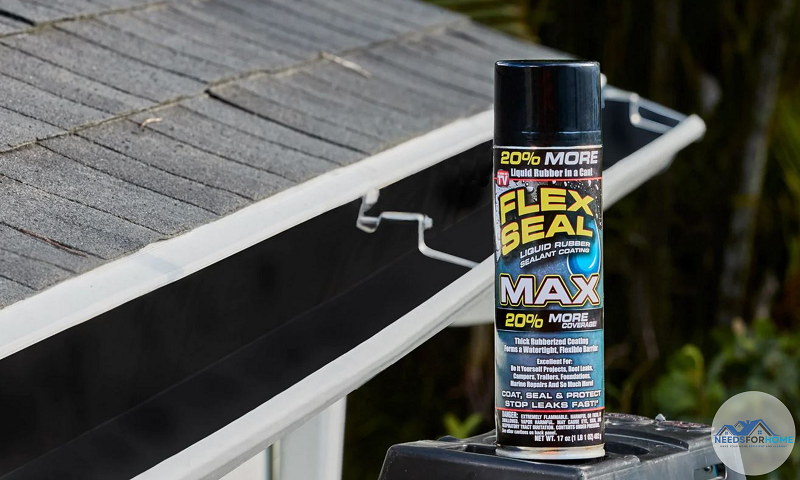
Concrete Surfaces

Concrete surfaces are porous and tend to absorb Flex Seal, which can extend the drying time. When applying Flex Seal to concrete surfaces, it is important to consider the porosity of the concrete and adjust the drying time expectations accordingly. On average, Flex Seal applied to concrete surfaces may take 4-8 hours to dry completely. However, factors such as temperature and humidity can impact these drying times.

Wood Surfaces

Wood surfaces can also absorb Flex Seal, especially if they are rough or porous. The absorption of Flex Seal by wood can lead to a longer drying time compared to non-porous surfaces. Depending on the porosity and condition of the wood, Flex Seal applied to wood surfaces may take anywhere from 4-12 hours to dry completely. It is advisable to allow ample time for drying to ensure the best results.

Plastic Surfaces

Plastic surfaces are generally non-porous, which allows for faster drying of Flex Seal. As the solvent evaporates quickly from plastic surfaces, the drying time tends to be shorter. Flex Seal applied to plastic surfaces can typically dry within 1-3 hours, depending on the thickness of the application and the prevailing environmental conditions.

Fabric Surfaces

Flex Seal is not recommended for use on fabric surfaces that are frequently exposed to direct contact or extreme movement. However, in some cases, Flex Seal may be applied to fabric surfaces that are used as decorative elements or require limited flexibility. When applying Flex Seal to fabric surfaces, it is important to allow sufficient drying time. Depending on the fabric type and thickness of the application, the drying time can range from 12-24 hours or even longer. It is recommended to test a small inconspicuous area before applying Flex Seal to the entire fabric surface.

Rubber Surfaces

When applying Flex Seal to rubber surfaces, the drying time is relatively shorter due to the similarity in materials. The compatibility between Flex Seal and rubber allows for faster drying. Flex Seal applied to rubber surfaces can typically dry within 2-4 hours, depending on the thickness of the application and the prevailing environmental conditions.

How long does it take for Flex Seal to dry?

This image is property of http://www.needsforhome.com.

Drying Time for Different Flex Seal Products

The drying time of Flex Seal can also vary depending on the specific product variant being used. Here is an overview of the drying time for different Flex Seal products:

Flex Seal Liquid

Flex Seal Liquid is a popular variant of Flex Seal that can be applied using a brush, roller, or spray. The drying time for Flex Seal Liquid depends on several factors, including the thickness of the application and the environmental conditions. In general, Flex Seal Liquid can take anywhere from 24-48 hours to dry completely. It is important to allow ample drying time to ensure maximum effectiveness and longevity.

Flex Seal Spray

Flex Seal Spray is known for its ease of application and versatility. The drying time for Flex Seal Spray is relatively shorter compared to other Flex Seal products. Depending on the thickness of the application and the prevailing environmental conditions, Flex Seal Spray can usually dry within 2-4 hours. It is advisable to allow sufficient drying time before subjecting the surface to any stress or moisture.

Flex Seal Tape

Flex Seal Tape is designed for quick and easy sealing of leaks and cracks. When applying Flex Seal Tape, the drying time is almost instantaneous, as the adhesive on the tape bonds instantly upon contact. This makes Flex Seal Tape a convenient option for immediate repairs, where drying time is not a concern.

Flex Shot

Flex Shot is a thick rubber sealant that can be applied using a caulking gun. The drying time for Flex Shot varies depending on the thickness of the applied layer and the environmental conditions. On average, Flex Shot may take anywhere from 24-72 hours to dry completely. It is important to plan your project accordingly and allow ample drying time for optimal results.

Flex Glue

Flex Glue is a strong adhesive that provides a durable bond. The drying time for Flex Glue depends on several factors, including the thickness of the application and the environmental conditions. In most cases, Flex Glue can dry within 24 hours. However, for maximum strength and performance, it is recommended to allow the glued surfaces to cure for at least 48-72 hours before subjecting them to any stress or load.

Tips to Speed Up Drying Time

While the drying time of Flex Seal is influenced by various factors, there are certain tips and techniques that can help expedite the process. Here are some tips to speed up the drying time of Flex Seal:

Preparation before Application

Before applying Flex Seal, ensure that the surface is clean, dry, and free of any loose particles or contaminants. This will promote better adhesion and faster drying. Remove any existing sealants or coatings that may interfere with the bonding of Flex Seal. Additionally, consider using a primer or surface preparation product recommended for the specific surface type to enhance the adhesion and drying time of Flex Seal.

Optimal Application Conditions

Choose an optimal day for applying Flex Seal, considering the temperature and humidity levels. Higher temperatures and lower humidity levels generally promote faster drying. It is also advisable to avoid applying Flex Seal during extreme weather conditions, such as heavy rain or freezing temperatures, as these can significantly impact the drying time and overall effectiveness of the product.

Using Heat for Faster Drying

Applying gentle heat to the surface can help accelerate the drying process of Flex Seal. This can be done using a heat gun, hairdryer, or any other suitable heat source. However, it is important to exercise caution and maintain a safe distance from the surface to avoid overheating or damaging the Flex Seal. Heat should be applied evenly and gently to promote uniform drying.

Special Techniques or Products

There are certain techniques and products available that claim to expedite the drying time of Flex Seal. These include using drying accelerators or additives specifically designed for Flex Seal. While these techniques and products may offer faster drying times, it is important to research and follow the manufacturer’s guidelines to ensure compatibility and desired results.

How long does it take for Flex Seal to dry?

This image is property of http://www.needsforhome.com.

How to Test if Flex Seal is Dry

It is crucial to ensure that Flex Seal is completely dry before subjecting the surface to any stress, moisture, or other coatings. Here are some methods to test if Flex Seal is dry:

Visual Inspection

Inspect the applied surface visually to check for any visible signs of wetness or tackiness. If the surface appears dry and smooth without any wet spots or stickiness, it is an indication that Flex Seal is dry.

Touch Test

Gently touch the surface to assess its tackiness. If the surface feels dry and does not transfer any residue to your fingertips, it is likely that Flex Seal has dried completely. However, exercise caution when performing the touch test, as premature touching can leave marks or indentations on the surface.

Curing Time Information

Refer to the product packaging or manufacturer’s instructions for the recommended curing time of the specific Flex Seal product being used. Curing time refers to the total time required for Flex Seal to reach its maximum strength and effectiveness. While the drying time indicates the point at which the solvent evaporates, the curing time represents the period needed for the product to fully set and harden. It is important to adhere to the recommended curing time for optimal performance.

Common Mistakes That Affect Drying Time

There are some common mistakes that people make when using Flex Seal, which can negatively impact the drying time. By avoiding these mistakes, you can ensure a more efficient and effective application. Here are some common mistakes that can affect the drying time of Flex Seal:

Applying Too Thick or Too Thin

The thickness of the applied layer of Flex Seal plays a significant role in the drying time. Applying Flex Seal too thick can extend the drying time and result in uneven drying. On the other hand, applying Flex Seal too thin may not provide sufficient coverage or adhesion. It is important to follow the recommended guidelines and apply multiple thin coats to achieve the desired results.

Improper Surface Preparation

Inadequate surface preparation can hinder the drying process of Flex Seal. Failing to clean, dry, or prime the surface properly can negatively impact the adhesion and drying time. It is crucial to ensure that the surface is well-prepared before applying Flex Seal to promote better bonding and faster drying.

Inadequate Drying Conditions

Neglecting to consider the prevailing environmental conditions during application can significantly impact the drying time of Flex Seal. Applying Flex Seal in cold or humid conditions can prolong the drying time, while applying in extremely hot or dry conditions can lead to premature drying or improper adhesion. It is essential to choose an appropriate day with optimal temperature and humidity levels for the best drying results.

How long does it take for Flex Seal to dry?

This image is property of i.ytimg.com.

How to Apply Multiple Coats

Applying multiple coats of Flex Seal can provide enhanced protection and durability. Follow these steps to apply multiple coats effectively:

  1. Allow each coat of Flex Seal to dry completely before applying the next one. Refer to the recommended drying time for the specific Flex Seal product being used.

  2. After the first coat is dry, inspect the surface for any missed areas or uneven coverage. Touch up or reapply Flex Seal as needed.

  3. Repeat the process of allowing each coat to dry fully and inspecting the surface until the desired level of coverage and protection is achieved.

  4. Be mindful of not applying too many thick coats that can result in prolonged drying times or uneven drying. Multiple thin coats are generally more effective and provide better results.

Conclusion

In conclusion, the drying time of Flex Seal can vary depending on several factors, including the type of surface, product variant, and environmental conditions. It is essential to consider these factors when estimating the drying time and planning your project. Flex Seal is available in various forms, including liquid, spray, tape, and glue, each with its own unique drying characteristics. By following the recommended guidelines, applying proper surface preparation, and allowing ample drying time, you can maximize the adhesion, effectiveness, and longevity of Flex Seal. Remember to perform visual and touch tests to ensure that Flex Seal is completely dry before subjecting the surface to any stress or additional coatings. Avoid common mistakes and use the provided tips to expedite the drying time of Flex Seal. With a thorough understanding of the factors that influence drying time and proper application techniques, you can confidently use Flex Seal to seal, protect, and repair various surfaces while achieving optimal results.

Source: https://roofingrepairspecialists.com/how-long-does-it-take-for-flex-seal-to-dry/

How to Determine the Number of Coats Needed for Flex Seal Spray Application

Determining the appropriate number of coats for your Flex Seal Spray application is crucial to achieving optimal results. This article provides a comprehensive guide on how to evaluate the number of coats needed, ensuring a successful and long-lasting seal. By following these guidelines, you can confidently apply the right amount of Flex Seal Spray to effectively protect and seal various surfaces according to your specific needs.

How to Determine the Number of Coats Needed for Flex Seal Spray Application

This image is property of i.ytimg.com.

Factors to Consider

Surface Material Type

The type of surface material is an important factor to consider when determining the number of coats needed for Flex Seal spray application. Different materials may require different levels of coverage and protection. It is crucial to understand whether the surface is porous or non-porous, flexible or rigid, as this will affect the adhesion and effectiveness of the product.

Surface Condition

The condition of the surface is another factor to take into account. Surfaces that are damaged, cracked, or uneven may require more coats of Flex Seal spray for proper coverage and sealing. Understanding the surface condition will ensure that the product can effectively seal any existing cracks or imperfections.

Flex Seal Product Type

Another crucial factor is the type of Flex Seal product being used. Flex Seal offers a range of products, including Flex Seal Original, Flex Seal Liquid, Flex Seal Colors, Flex Seal Brite, Flex Seal Rubber Spray, and Flex Seal Aerosol. Each product has its own application technique and recommended number of coats. Selecting the appropriate product for the surface material and condition is essential for optimal results.

Manufacturer Recommendations

Lastly, it is essential to consider the manufacturer’s recommendations. Flex Seal provides detailed guidelines for each of their products, including the recommended number of coats, drying time between coats, and additional instructions. Consulting the product label, manufacturer’s website, or reaching out to their customer service can provide valuable guidance and ensure the proper application of Flex Seal spray.

How to Determine the Number of Coats Needed for Flex Seal Spray Application

This image is property of flexsealproducts.com.

Determining Factors in Detail

Surface Material Type

When determining the number of coats needed for Flex Seal spray application, it is essential to understand the different surface material types and their specific requirements.

Porous Surfaces

Porous surfaces, such as wood, concrete, or stone, have small openings or pores that allow liquids and air to pass through. These surfaces may require multiple coats of Flex Seal to ensure complete coverage and effective sealing. The porous nature of these materials may absorb some of the Flex Seal, necessitating additional coats for adequate protection.

Non-Porous Surfaces

Non-porous surfaces, on the other hand, do not have tiny openings or pores and are resistant to the passage of liquids and air. Surfaces like metal, glass, or plastic fall into this category. Non-porous surfaces generally require fewer coats of Flex Seal since the product can sit on the surface without being absorbed. However, it is still essential to achieve complete coverage to ensure a watertight seal.

Flexible Surfaces

Flexible surfaces, such as fabrics or rubber, require a slightly different approach when it comes to coating with Flex Seal spray. These materials may expand or contract, requiring a highly flexible and elastic coating to accommodate their movement. Flex Seal Rubber Spray is an excellent choice for these surfaces, as it provides a durable, flexible, and waterproof barrier.

Rigid Surfaces

Rigid surfaces, such as metal or glass, are firm and inflexible. These surfaces typically require fewer coats of Flex Seal spray compared to flexible surfaces. However, it is still important to ensure complete coverage and adhesion for effective sealing and protection.

Subheadings Needed

To further explore the determining factors for the number of coats needed for Flex Seal spray application, subheadings under each category can provide more detailed information and guidance.

Surface Condition

The condition of the surface is an important factor to consider when determining the number of coats required for Flex Seal spray application. Surfaces that are damaged, cracked, or uneven may need more coats to fill in the gaps and provide proper coverage.

Subheading 1

For surfaces with minor cracks or imperfections, applying one or two thin coats of Flex Seal spray might be sufficient. The product will seep into the cracks and form a waterproof seal. However, it is important to ensure complete coverage and adhesion to prevent further damage or leakage.

Subheading 2

In instances where the surface is severely damaged or has extensive cracks, additional coats of Flex Seal spray might be necessary. Applying multiple coats, allowing proper drying time between each coat, can ensure a more thorough and effective seal. It is crucial to follow the manufacturer’s guidelines and recommendations for the specific product being used.

Flex Seal Product Type

Different Flex Seal products have different application techniques and recommended numbers of coats. Understanding the characteristics and purposes of each product type will assist in determining the number of coats required for optimal results.

Flex Seal Original

Flex Seal Original is a versatile rubberized coating that creates a durable, watertight seal on a variety of surfaces. It is generally recommended to apply multiple coats for optimal protection, ensuring complete coverage and adhesion.

Flex Seal Liquid

Flex Seal Liquid is a thick liquid coating that penetrates deep into surfaces, providing a strong, flexible barrier against moisture and leaks. The number of coats required may vary depending on the surface material and condition. Applying two to three coats is typically recommended to achieve a solid seal.

Flex Seal Colors

Flex Seal Colors offer the same sealing properties as Flex Seal Original but with the added benefit of vibrant color options. The number of coats required will depend on the desired color intensity and the condition of the surface. Generally, applying two to three coats will provide excellent coverage and color vibrancy.

Flex Seal Brite

Flex Seal Brite is a variant of Flex Seal Original that provides a reflective, shiny finish. Similar to other Flex Seal products, it is advisable to apply multiple coats to achieve the desired appearance and protection. Two to three coats are typically recommended for a glossy and durable seal.

Flex Seal Rubber Spray

Flex Seal Rubber Spray is designed specifically for flexible surfaces, such as fabrics or rubber. Its highly flexible and elastic coating accommodates the movement of these materials, providing a reliable waterproof seal. Applying two to three thin coats will ensure proper coverage and protection.

Flex Seal Aerosol

Flex Seal Aerosol is a convenient spray-on version of the original Flex Seal. The number of coats required will depend on the surface material and condition. Generally, applying two to three coats is recommended for thorough coverage and a strong seal. Each coat should be applied evenly and in thin layers for optimal results.

Manufacturer Recommendations

Flex Seal provides detailed guidelines and recommendations for each of their products. Adhering to these recommendations will ensure the correct number of coats needed for a successful Flex Seal spray application.

Consulting the Product Label

The product label of each Flex Seal product provides valuable instructions and guidelines for application. It is essential to read and follow these instructions carefully to achieve the desired results. The product label will indicate the recommended number of coats, drying time between coats, and any additional instructions specific to that product.

Manufacturer Website

Flex Seal’s website is another reliable source of information for determining the number of coats required for their spray application. The website often provides comprehensive product details, application videos, and FAQs that can address any specific concerns or inquiries.

Customer Service

If further clarification or guidance is needed, reaching out to Flex Seal’s customer service can provide valuable assistance. Their knowledgeable representatives can answer questions, provide personalized recommendations, and ensure a successful application of Flex Seal spray.

How to Determine the Number of Coats Needed for Flex Seal Spray Application

This image is property of flexsealproducts.com.

Application Techniques

Achieving the desired number of coats for Flex Seal spray application involves employing proper application techniques. The way the product is applied can affect the thickness, coverage, and overall effectiveness of the seal.

Thin Coats vs. Thick Coats

When applying Flex Seal spray, it is generally recommended to apply thin coats rather than a single thick coat. Thin coats allow for better adhesion, drying, and curing. They also provide more control over the coverage, ensuring that every nook and cranny is thoroughly sealed.

Even and Uniform Coverage

To achieve the desired number of coats, it is crucial to apply the Flex Seal spray evenly and uniformly. This means maintaining a consistent distance between the nozzle and the surface, moving the can in a steady back-and-forth motion, and overlapping each pass slightly. This technique ensures that the coats are applied evenly, without any gaps or uneven sections.

Overlap Technique

To ensure complete coverage, it is recommended to use an overlap technique when applying multiple coats of Flex Seal spray. This involves slightly overlapping each pass with the previous one, ensuring that the entire surface is covered. The overlap technique helps create a seamless and thorough seal, reducing the chances of leaks or weak spots.

How to Determine the Number of Coats Needed for Flex Seal Spray Application

This image is property of flexsealproducts.com.

Determining Number of Coats

Determining the number of coats needed for Flex Seal spray application involves a combination of visual inspection, adhesion testing, and following the manufacturer’s guidelines.

Visual Inspection

Once the initial coats have been applied, a visual inspection can help determine if additional coats are necessary. Carefully examine the surface for any areas that may appear thinner or where the seal is not completely uniform. These areas may require an extra coat to ensure complete coverage and protection.

Adhesion Test

Performing an adhesion test can also help determine if additional coats are needed. Allow the initial coats to dry completely, then peel back a small section of the seal. If the Flex Seal spray adheres strongly to the surface without any peeling or detachment, the number of coats applied may be sufficient. However, if the seal easily peels off or shows signs of weak adhesion, additional coats may be required.

Manufacturer’s Guidelines

To ensure accurate and reliable results, it is crucial to consult the manufacturer’s guidelines for the specific Flex Seal product being used. The guidelines will provide the recommended number of coats, drying time between coats, and any additional instructions or considerations. Following these guidelines will ensure that the correct number of coats is applied for maximum effectiveness.

How to Determine the Number of Coats Needed for Flex Seal Spray Application

This image is property of i5.walmartimages.com.

Manufacturer’s Guidelines

Flex Seal provides specific guidelines for each of their products, outlining the recommended number of coats, drying time between coats, and additional instructions. Adhering to these guidelines is crucial for achieving the desired results.

Recommended Number of Coats

The manufacturer’s guidelines will specify the recommended number of coats for the particular Flex Seal product being used. This information takes into account the surface material, condition, and desired level of protection. Following the recommended number of coats will ensure proper coverage, adhesion, and sealing.

Drying Time between Coats

Each Flex Seal product has a specific drying time between coats, which must be strictly followed. Applying the subsequent coat before the previous one has fully dried can compromise the integrity of the seal. The manufacturer’s guidelines will specify the appropriate drying time to allow for optimal adhesion and curing.

Additional Instructions

The manufacturer’s guidelines may also include additional instructions specific to the product being used. These instructions can provide valuable insights into best practices, application techniques, and any precautions needed for a successful Flex Seal spray application. It is important to thoroughly read and understand these instructions to ensure a proper and effective seal.

In conclusion, determining the number of coats needed for Flex Seal spray application involves several factors, including the surface material type, surface condition, Flex Seal product type, and manufacturer’s recommendations. By understanding these factors and following proper application techniques, it is possible to achieve a successful seal that provides optimal protection and coverage. Consulting the manufacturer’s guidelines, performing visual inspections, and conducting adhesion tests can all contribute to determining the appropriate number of coats for a thorough and effective application of Flex Seal spray.

Source: https://roofingrepairspecialists.com/how-to-determine-the-number-of-coats-needed-for-flex-seal-spray-application/